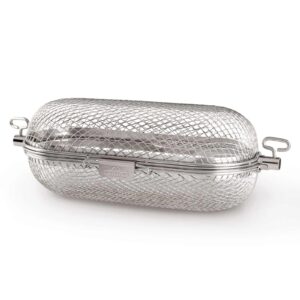
Napoleon Rotating Rotisseries are essential accessories for transforming any Napoleon grill into a high-performance outdoor kitchen. Available in multiple models, they are designed to fit perfectly on grills of different sizes and configurations, from the compact TravelQ to the robust Prestige PRO 825. Their stainless steel construction, high-torque motor and series-specific design guarantee a professional cooking experience, from juicy chicken to handmade pizzas. This review details their advantages, variations and applications beyond traditional grilling.
Full Compatibility with Multiple Napoleon Grill Series
Each rotary rotisserie kit has been developed to integrate seamlessly with specific Napoleon grill models, ensuring a safe and efficient fit without the need for additional modifications. This direct compatibility with models such as BILEX, PRO, Prestige, Rogue, Kettle, Freestyle and TravelQ makes installation easy and increases the performance of the equipment, whether grilling heavy meats or cooking at low temperatures for several hours. The stability of the skewer and the solid motor mounting allow for smooth and safe rotation, without jerky movements that can affect cooking.
Uniform Rotational Cooking for Impeccable Results
The continuous and controlled rotation of the food guarantees even cooking on all sides, avoiding burning or uneven cooking. This system is based on a high-performance motor that slowly rotates the skewer with sufficient force to support from 4.5 to 11.5 kilograms of food, depending on the model. The rotary technique not only improves the texture of the food but also intensifies its flavour by allowing the juices to circulate and the fats to melt gradually, helping to form a crispy, caramelised outer crust without drying out the interior.
Robust Construction with Premium Materials
All Napoleon rotisseries are manufactured from heavy-duty stainless steel, suitable for both intensive domestic use and demanding outdoor environments. The skewer can be hexagonal or square, depending on the model, and the forks feature sharp teeth to hold food securely in place during rotation. In addition, the motor housing on the high-end models is also made of stainless steel, which ensures superior durability compared to the more common versions with plastic housings. This type of construction not only facilitates cleaning, but also improves hygiene and presentation.
Load capacity depending on the model: from 4.5 kg to 11.5 kg
The Napoleon range of rotisseries covers the needs of both users looking to roast small pieces and those who wish to cook large cuts for family events or gatherings. The models for the PRO and Prestige series can handle loads of up to 11.5 kilograms, ideal for whole pieces such as suckling pigs, turkeys or large roasts. On the other hand, the more compact grill models, such as Kettle or Freestyle, handle loads between 4.5 and 5.5 kilograms, which is more than enough for whole chickens, medium-sized pieces of meat or more elaborate vegetarian preparations.
High Power Motor and Safe Wiring
The heart of the Napoleon rotisserie system is its high-torque electric motor, which allows constant rotation even under heavy loads. All models include a 230 V motor with 1.8 metre connection cable, allowing versatile installation on patios, terraces or outdoor kitchens. In addition, the motor is designed with water and splash resistance, increasing its durability against environmental exposure. This reliability ensures continuous operation during extended cooking sessions, key for slow roasts or complex recipes.
Analysis by Model Variation
BILEX 605 and PRO 605
This model is designed for large grills, offering a robust load capacity and an extendable spike up to 115 cm, compatible with hoods up to 106.6 cm. It is ideal for those looking to prepare large pieces of meat with professional precision.
Prestige (PRO) 500 & BILEX 485
An excellent choice for those who want to maximise the performance of medium sized grills. Offers a balance of load capacity, ease of use and power.
Prestige PRO 665
A choice for demanding users who want premium results. Its robust construction and capacity of up to 11.5 kg make it perfect for banquets and special occasions.
PRO 825
The largest model in the line, designed for large-scale events or culinary preparations that require a robust and precise system. With 147 cm of spike and a large capacity, it is the ultimate accessory for the grill chef.
Kettle Ø 47 cm and Ø 57 cm
Ideal for those who use charcoal grills. Its 8 mm square spike and waterproof motor allow traditional cooking with optimal results on medium-sized pieces.
Rogue 365 / 425 / 525 / 625
This model offers full compatibility with the Rogue series and is also suitable for Freestyle grills. Its 12 mm hexagonal spike provides great stability for even rotation.
Charcoal Kettle Oven 57 cm
In addition to the rotisserie, it includes a cooking chamber extension and a pizza oven lid. Allows baking, grilling and cooking with indirect heat, greatly expanding the functions of the grill.
TravelQ Oven
Transforms the portable grill into a complete kitchen, allowing everything from cooking spit chicken to preparing pizzas. Its compact format makes it ideal for campers or urban users.
Freestyle
Designed for Napoleon’s more accessible models, it maintains the robustness and functionality of its bigger brothers. It allows you to cook pieces of up to 4.5 kg without complications.
Applications Outside the Barbecue World
In addition to grilling meats and vegetables, some models allow functions that go beyond the conventional. Baking chamber extensions with oven lid allow bread, focaccias, pies and pizzas to be baked at high temperatures without the need for an indoor kitchen. These functionalities make the Napoleon rotisserie a versatile tool even for those looking for a complete outdoor dining experience.
It is also possible to prepare sauces with the juices collected in trays placed under the rotisserie. This technique allows a natural reduction of flavours, ideal for glazes or gourmet side dishes.
Maintenance and Use of the Napoleon Rotisserie
The Napoleon rotisserie is an investment in culinary quality and dining experience, so proper maintenance and use are key to preserving its performance and extending its life for years to come. Whether you use it occasionally for family gatherings or it's a regular feature in your outdoor kitchen, following a precise care routine will allow you to enjoy perfect roasts every time, without premature wear or loss of efficiency.
Step-by-step guide for proper use
- Check compatibility and safety before installation. Before assembling the rotisserie, make sure you are using the correct model for your Napoleon grill. Refer to the manual to identify the motor bracket mounting points and ensure that the work surface is level and secure.
- Assembling the system and preparing the spit. Install the motor bracket on the side of the cooking chamber using the pre-drilled holes. Insert the spit into the motor and rest it on the opposite side recess. Make sure the spit is well balanced, especially when working with large or heavy food items.
- Placing the food on the skewer. Align the food in the centre of the skewer, passing it through lengthwise. Use the stainless steel holding forks to secure it in place. Tighten the safety screws firmly to prevent slipping during rotation. If you are using stuffed or unevenly weighted food, find a counterweight to balance the assembly.
- Switching on and controlling cooking. Connect the motor to a reliable power source (230 V) and make sure that the 1.8 m cable is not in contact with hot areas. Switch on the motor before closing the grill lid to start rotation. Keep the lid closed as much as possible to retain heat and achieve even cooking.
- Monitoring the process without excessive intervention. Visually check the cooking process every 20-30 minutes. Constant rotation prevents you from having to turn or move the food manually. For certain cuts, you can apply sauces or glazes in the last 15-20 minutes to caramelise without burning.
Step-by-step guide to cleaning and maintenance
- Unplug and let cool. Before handling any part of the rotisserie, make sure the motor is unplugged and all metal parts have cooled completely. This prevents burns and protects electrical components.
- Cleaning the spit and forks. Use a wire brush or non-abrasive sponge to remove food residue. Then wash with hot water and mild detergent. Do not use aggressive scouring pads that could scratch the stainless steel.
- Motor care. The motor must not be immersed or exposed to water. Clean the housing with a damp cloth and dry immediately. Periodically check the fastening screws and electrical connectors for signs of rust or deterioration.
- Complete drying and storage. All parts must be completely dry before being stored. If possible, store the rotisserie in its original box or in a protective cover, in a dry place away from direct sunlight or moisture.
- Preventive lubrication (optional). For frequent use, you can apply a small amount of food-grade mineral oil to the ends of the spit (never in contact with food) to facilitate rotation and protect against rust.
With this detailed and regular maintenance, your Napoleon rotisserie will perform like new for many years, delivering consistent, high-quality results with every use.
Maintenance and Use of the Napoleon Rotisserie
The Napoleon rotisserie is an investment in culinary quality and dining experience, so proper maintenance and use are key to preserving its performance and extending its life for years to come. Whether you use it occasionally for family gatherings or it's a regular feature in your outdoor kitchen, following a precise care routine will allow you to enjoy perfect roasts every time, without premature wear or loss of efficiency.
Step-by-step guide for proper use
- Check compatibility and safety before installation. Before assembling the rotisserie, make sure you are using the correct model for your Napoleon grill. Refer to the manual to identify the motor bracket mounting points and ensure that the work surface is level and secure.
- Assembling the system and preparing the spit. Install the motor bracket on the side of the cooking chamber using the pre-drilled holes. Insert the spit into the motor and rest it on the opposite side recess. Make sure the spit is well balanced, especially when working with large or heavy food items.
- Placing the food on the skewer. Align the food in the centre of the skewer, passing it through lengthwise. Use the stainless steel holding forks to secure it in place. Tighten the safety screws firmly to prevent slipping during rotation. If you are using stuffed or unevenly weighted food, find a counterweight to balance the assembly.
- Switching on and controlling cooking. Connect the motor to a reliable power source (230 V) and make sure that the 1.8 m cable is not in contact with hot areas. Switch on the motor before closing the grill lid to start rotation. Keep the lid closed as much as possible to retain heat and achieve even cooking.
- Monitoring the process without excessive intervention. Visually check the cooking process every 20-30 minutes. Constant rotation prevents you from having to turn or move the food manually. For certain cuts, you can apply sauces or glazes in the last 15-20 minutes to caramelise without burning.
Step-by-step guide to cleaning and maintenance
- Unplug and let cool. Before handling any part of the rotisserie, make sure the motor is unplugged and all metal parts have cooled completely. This prevents burns and protects electrical components.
- Cleaning the spit and forks. Use a wire brush or non-abrasive sponge to remove food residue. Then wash with hot water and mild detergent. Do not use aggressive scouring pads that could scratch the stainless steel.
- Motor care. The motor must not be immersed or exposed to water. Clean the housing with a damp cloth and dry immediately. Periodically check the fastening screws and electrical connectors for signs of rust or deterioration.
- Complete drying and storage. All parts must be completely dry before being stored. If possible, store the rotisserie in its original box or in a protective cover, in a dry place away from direct sunlight or moisture.
- Preventive lubrication (optional). For frequent use, you can apply a small amount of food-grade mineral oil to the ends of the spit (never in contact with food) to facilitate rotation and protect against rust.
With this detailed and regular maintenance, your Napoleon rotisserie will perform like new for many years, delivering consistent, high-quality results with every use.
Maintenance and Use of the Napoleon Rotisserie
The Napoleon rotisserie is an investment in culinary quality and dining experience, so proper maintenance and use are key to preserving its performance and extending its life for years to come. Whether you use it occasionally for family gatherings or it's a regular feature in your outdoor kitchen, following a precise care routine will allow you to enjoy perfect roasts every time, without premature wear or loss of efficiency.
Step-by-step guide for proper use
- Check compatibility and safety before installation. Before assembling the rotisserie, make sure you are using the correct model for your Napoleon grill. Refer to the manual to identify the motor bracket mounting points and ensure that the work surface is level and secure.
- Assembling the system and preparing the spit. Install the motor bracket on the side of the cooking chamber using the pre-drilled holes. Insert the spit into the motor and rest it on the opposite side recess. Make sure the spit is well balanced, especially when working with large or heavy food items.
- Placing the food on the skewer. Align the food in the centre of the skewer, passing it through lengthwise. Use the stainless steel holding forks to secure it in place. Tighten the safety screws firmly to prevent slipping during rotation. If you are using stuffed or unevenly weighted food, find a counterweight to balance the assembly.
- Switching on and controlling cooking. Connect the motor to a reliable power source (230 V) and make sure that the 1.8 m cable is not in contact with hot areas. Switch on the motor before closing the grill lid to start rotation. Keep the lid closed as much as possible to retain heat and achieve even cooking.
- Monitoring the process without excessive intervention. Visually check the cooking process every 20-30 minutes. Constant rotation prevents you from having to turn or move the food manually. For certain cuts, you can apply sauces or glazes in the last 15-20 minutes to caramelise without burning.
Step-by-step guide to cleaning and maintenance
- Unplug and let cool. Before handling any part of the rotisserie, make sure the motor is unplugged and all metal parts have cooled completely. This prevents burns and protects electrical components.
- Cleaning the spit and forks. Use a wire brush or non-abrasive sponge to remove food residue. Then wash with hot water and mild detergent. Do not use aggressive scouring pads that could scratch the stainless steel.
- Motor care. The motor must not be immersed or exposed to water. Clean the housing with a damp cloth and dry immediately. Periodically check the fastening screws and electrical connectors for signs of rust or deterioration.
- Complete drying and storage. All parts must be completely dry before being stored. If possible, store the rotisserie in its original box or in a protective cover, in a dry place away from direct sunlight or moisture.
- Preventive lubrication (optional). For frequent use, you can apply a small amount of food-grade mineral oil to the ends of the spit (never in contact with food) to facilitate rotation and protect against rust.
With this detailed and regular maintenance, your Napoleon rotisserie will perform like new for many years, delivering consistent, high-quality results with every use.
Maintenance and Use of the Napoleon Rotisserie
The Napoleon rotisserie is an investment in culinary quality and dining experience, so proper maintenance and use are key to preserving its performance and extending its life for years to come. Whether you use it occasionally for family gatherings or it's a regular feature in your outdoor kitchen, following a precise care routine will allow you to enjoy perfect roasts every time, without premature wear or loss of efficiency.
Step-by-step guide for proper use
- Check compatibility and safety before installation. Before assembling the rotisserie, make sure you are using the correct model for your Napoleon grill. Refer to the manual to identify the motor bracket mounting points and ensure that the work surface is level and secure.
- Assembling the system and preparing the spit. Install the motor bracket on the side of the cooking chamber using the pre-drilled holes. Insert the spit into the motor and rest it on the opposite side recess. Make sure the spit is well balanced, especially when working with large or heavy food items.
- Placing the food on the skewer. Align the food in the centre of the skewer, passing it through lengthwise. Use the stainless steel holding forks to secure it in place. Tighten the safety screws firmly to prevent slipping during rotation. If you are using stuffed or unevenly weighted food, find a counterweight to balance the assembly.
- Switching on and controlling cooking. Connect the motor to a reliable power source (230 V) and make sure that the 1.8 m cable is not in contact with hot areas. Switch on the motor before closing the grill lid to start rotation. Keep the lid closed as much as possible to retain heat and achieve even cooking.
- Monitoring the process without excessive intervention. Visually check the cooking process every 20-30 minutes. Constant rotation prevents you from having to turn or move the food manually. For certain cuts, you can apply sauces or glazes in the last 15-20 minutes to caramelise without burning.
Step-by-step guide to cleaning and maintenance
- Unplug and let cool. Before handling any part of the rotisserie, make sure the motor is unplugged and all metal parts have cooled completely. This prevents burns and protects electrical components.
- Cleaning the spit and forks. Use a wire brush or non-abrasive sponge to remove food residue. Then wash with hot water and mild detergent. Do not use aggressive scouring pads that could scratch the stainless steel.
- Motor care. The motor must not be immersed or exposed to water. Clean the housing with a damp cloth and dry immediately. Periodically check the fastening screws and electrical connectors for signs of rust or deterioration.
- Complete drying and storage. All parts must be completely dry before being stored. If possible, store the rotisserie in its original box or in a protective cover, in a dry place away from direct sunlight or moisture.
- Preventive lubrication (optional). For frequent use, you can apply a small amount of food-grade mineral oil to the ends of the spit (never in contact with food) to facilitate rotation and protect against rust.
With this detailed and regular maintenance, your Napoleon rotisserie will perform like new for many years, delivering consistent, high-quality results with every use.
Maintenance and Use of the Napoleon Rotisserie
The Napoleon rotisserie is an investment in culinary quality and dining experience, so proper maintenance and use are key to preserving its performance and extending its life for years to come. Whether you use it occasionally for family gatherings or it's a regular feature in your outdoor kitchen, following a precise care routine will allow you to enjoy perfect roasts every time, without premature wear or loss of efficiency.
Step-by-step guide for proper use
- Check compatibility and safety before installation. Before assembling the rotisserie, make sure you are using the correct model for your Napoleon grill. Refer to the manual to identify the motor bracket mounting points and ensure that the work surface is level and secure.
- Assembling the system and preparing the spit. Install the motor bracket on the side of the cooking chamber using the pre-drilled holes. Insert the spit into the motor and rest it on the opposite side recess. Make sure the spit is well balanced, especially when working with large or heavy food items.
- Placing the food on the skewer. Align the food in the centre of the skewer, passing it through lengthwise. Use the stainless steel holding forks to secure it in place. Tighten the safety screws firmly to prevent slipping during rotation. If you are using stuffed or unevenly weighted food, find a counterweight to balance the assembly.
- Switching on and controlling cooking. Connect the motor to a reliable power source (230 V) and make sure that the 1.8 m cable is not in contact with hot areas. Switch on the motor before closing the grill lid to start rotation. Keep the lid closed as much as possible to retain heat and achieve even cooking.
- Monitoring the process without excessive intervention. Visually check the cooking process every 20-30 minutes. Constant rotation prevents you from having to turn or move the food manually. For certain cuts, you can apply sauces or glazes in the last 15-20 minutes to caramelise without burning.
Step-by-step guide to cleaning and maintenance
- Unplug and let cool. Before handling any part of the rotisserie, make sure the motor is unplugged and all metal parts have cooled completely. This prevents burns and protects electrical components.
- Cleaning the spit and forks. Use a wire brush or non-abrasive sponge to remove food residue. Then wash with hot water and mild detergent. Do not use aggressive scouring pads that could scratch the stainless steel.
- Motor care. The motor must not be immersed or exposed to water. Clean the housing with a damp cloth and dry immediately. Periodically check the fastening screws and electrical connectors for signs of rust or deterioration.
- Complete drying and storage. All parts must be completely dry before being stored. If possible, store the rotisserie in its original box or in a protective cover, in a dry place away from direct sunlight or moisture.
- Preventive lubrication (optional). For frequent use, you can apply a small amount of food-grade mineral oil to the ends of the spit (never in contact with food) to facilitate rotation and protect against rust.
With this detailed and regular maintenance, your Napoleon rotisserie will perform like new for many years, delivering consistent, high-quality results with every use.
Maintenance and Use of the Napoleon Rotisserie
The Napoleon rotisserie is an investment in culinary quality and dining experience, so proper maintenance and use are key to preserving its performance and extending its life for years to come. Whether you use it occasionally for family gatherings or it's a regular feature in your outdoor kitchen, following a precise care routine will allow you to enjoy perfect roasts every time, without premature wear or loss of efficiency.
Step-by-step guide for proper use
- Check compatibility and safety before installation. Before assembling the rotisserie, make sure you are using the correct model for your Napoleon grill. Refer to the manual to identify the motor bracket mounting points and ensure that the work surface is level and secure.
- Assembling the system and preparing the spit. Install the motor bracket on the side of the cooking chamber using the pre-drilled holes. Insert the spit into the motor and rest it on the opposite side recess. Make sure the spit is well balanced, especially when working with large or heavy food items.
- Placing the food on the skewer. Align the food in the centre of the skewer, passing it through lengthwise. Use the stainless steel holding forks to secure it in place. Tighten the safety screws firmly to prevent slipping during rotation. If you are using stuffed or unevenly weighted food, find a counterweight to balance the assembly.
- Switching on and controlling cooking. Connect the motor to a reliable power source (230 V) and make sure that the 1.8 m cable is not in contact with hot areas. Switch on the motor before closing the grill lid to start rotation. Keep the lid closed as much as possible to retain heat and achieve even cooking.
- Monitoring the process without excessive intervention. Visually check the cooking process every 20-30 minutes. Constant rotation prevents you from having to turn or move the food manually. For certain cuts, you can apply sauces or glazes in the last 15-20 minutes to caramelise without burning.
Step-by-step guide to cleaning and maintenance
- Unplug and let cool. Before handling any part of the rotisserie, make sure the motor is unplugged and all metal parts have cooled completely. This prevents burns and protects electrical components.
- Cleaning the spit and forks. Use a wire brush or non-abrasive sponge to remove food residue. Then wash with hot water and mild detergent. Do not use aggressive scouring pads that could scratch the stainless steel.
- Motor care. The motor must not be immersed or exposed to water. Clean the housing with a damp cloth and dry immediately. Periodically check the fastening screws and electrical connectors for signs of rust or deterioration.
- Complete drying and storage. All parts must be completely dry before being stored. If possible, store the rotisserie in its original box or in a protective cover, in a dry place away from direct sunlight or moisture.
- Preventive lubrication (optional). For frequent use, you can apply a small amount of food-grade mineral oil to the ends of the spit (never in contact with food) to facilitate rotation and protect against rust.
With this detailed and regular maintenance, your Napoleon rotisserie will perform like new for many years, delivering consistent, high-quality results with every use.
Maintenance and Use of the Napoleon Rotisserie
The Napoleon rotisserie is an investment in culinary quality and dining experience, so proper maintenance and use are key to preserving its performance and extending its life for years to come. Whether you use it occasionally for family gatherings or it's a regular feature in your outdoor kitchen, following a precise care routine will allow you to enjoy perfect roasts every time, without premature wear or loss of efficiency.
Step-by-step guide for proper use
- Check compatibility and safety before installation. Before assembling the rotisserie, make sure you are using the correct model for your Napoleon grill. Refer to the manual to identify the motor bracket mounting points and ensure that the work surface is level and secure.
- Assembling the system and preparing the spit. Install the motor bracket on the side of the cooking chamber using the pre-drilled holes. Insert the spit into the motor and rest it on the opposite side recess. Make sure the spit is well balanced, especially when working with large or heavy food items.
- Placing the food on the skewer. Align the food in the centre of the skewer, passing it through lengthwise. Use the stainless steel holding forks to secure it in place. Tighten the safety screws firmly to prevent slipping during rotation. If you are using stuffed or unevenly weighted food, find a counterweight to balance the assembly.
- Switching on and controlling cooking. Connect the motor to a reliable power source (230 V) and make sure that the 1.8 m cable is not in contact with hot areas. Switch on the motor before closing the grill lid to start rotation. Keep the lid closed as much as possible to retain heat and achieve even cooking.
- Monitoring the process without excessive intervention. Visually check the cooking process every 20-30 minutes. Constant rotation prevents you from having to turn or move the food manually. For certain cuts, you can apply sauces or glazes in the last 15-20 minutes to caramelise without burning.
Step-by-step guide to cleaning and maintenance
- Unplug and let cool. Before handling any part of the rotisserie, make sure the motor is unplugged and all metal parts have cooled completely. This prevents burns and protects electrical components.
- Cleaning the spit and forks. Use a wire brush or non-abrasive sponge to remove food residue. Then wash with hot water and mild detergent. Do not use aggressive scouring pads that could scratch the stainless steel.
- Motor care. The motor must not be immersed or exposed to water. Clean the housing with a damp cloth and dry immediately. Periodically check the fastening screws and electrical connectors for signs of rust or deterioration.
- Complete drying and storage. All parts must be completely dry before being stored. If possible, store the rotisserie in its original box or in a protective cover, in a dry place away from direct sunlight or moisture.
- Preventive lubrication (optional). For frequent use, you can apply a small amount of food-grade mineral oil to the ends of the spit (never in contact with food) to facilitate rotation and protect against rust.
With this detailed and regular maintenance, your Napoleon rotisserie will perform like new for many years, delivering consistent, high-quality results with every use.
Maintenance and Use of the Napoleon Rotisserie
The Napoleon rotisserie is an investment in culinary quality and dining experience, so proper maintenance and use are key to preserving its performance and extending its life for years to come. Whether you use it occasionally for family gatherings or it's a regular feature in your outdoor kitchen, following a precise care routine will allow you to enjoy perfect roasts every time, without premature wear or loss of efficiency.
Step-by-step guide for proper use
- Check compatibility and safety before installation. Before assembling the rotisserie, make sure you are using the correct model for your Napoleon grill. Refer to the manual to identify the motor bracket mounting points and ensure that the work surface is level and secure.
- Assembling the system and preparing the spit. Install the motor bracket on the side of the cooking chamber using the pre-drilled holes. Insert the spit into the motor and rest it on the opposite side recess. Make sure the spit is well balanced, especially when working with large or heavy food items.
- Placing the food on the skewer. Align the food in the centre of the skewer, passing it through lengthwise. Use the stainless steel holding forks to secure it in place. Tighten the safety screws firmly to prevent slipping during rotation. If you are using stuffed or unevenly weighted food, find a counterweight to balance the assembly.
- Switching on and controlling cooking. Connect the motor to a reliable power source (230 V) and make sure that the 1.8 m cable is not in contact with hot areas. Switch on the motor before closing the grill lid to start rotation. Keep the lid closed as much as possible to retain heat and achieve even cooking.
- Monitoring the process without excessive intervention. Visually check the cooking process every 20-30 minutes. Constant rotation prevents you from having to turn or move the food manually. For certain cuts, you can apply sauces or glazes in the last 15-20 minutes to caramelise without burning.
Step-by-step guide to cleaning and maintenance
- Unplug and let cool. Before handling any part of the rotisserie, make sure the motor is unplugged and all metal parts have cooled completely. This prevents burns and protects electrical components.
- Cleaning the spit and forks. Use a wire brush or non-abrasive sponge to remove food residue. Then wash with hot water and mild detergent. Do not use aggressive scouring pads that could scratch the stainless steel.
- Motor care. The motor must not be immersed or exposed to water. Clean the housing with a damp cloth and dry immediately. Periodically check the fastening screws and electrical connectors for signs of rust or deterioration.
- Complete drying and storage. All parts must be completely dry before being stored. If possible, store the rotisserie in its original box or in a protective cover, in a dry place away from direct sunlight or moisture.
- Preventive lubrication (optional). For frequent use, you can apply a small amount of food-grade mineral oil to the ends of the spit (never in contact with food) to facilitate rotation and protect against rust.
With this detailed and regular maintenance, your Napoleon rotisserie will perform like new for many years, delivering consistent, high-quality results with every use.
Maintenance and Use of the Napoleon Rotisserie
The Napoleon rotisserie is an investment in culinary quality and dining experience, so proper maintenance and use are key to preserving its performance and extending its life for years to come. Whether you use it occasionally for family gatherings or it's a regular feature in your outdoor kitchen, following a precise care routine will allow you to enjoy perfect roasts every time, without premature wear or loss of efficiency.
Step-by-step guide for proper use
- Check compatibility and safety before installation. Before assembling the rotisserie, make sure you are using the correct model for your Napoleon grill. Refer to the manual to identify the motor bracket mounting points and ensure that the work surface is level and secure.
- Assembling the system and preparing the spit. Install the motor bracket on the side of the cooking chamber using the pre-drilled holes. Insert the spit into the motor and rest it on the opposite side recess. Make sure the spit is well balanced, especially when working with large or heavy food items.
- Placing the food on the skewer. Align the food in the centre of the skewer, passing it through lengthwise. Use the stainless steel holding forks to secure it in place. Tighten the safety screws firmly to prevent slipping during rotation. If you are using stuffed or unevenly weighted food, find a counterweight to balance the assembly.
- Switching on and controlling cooking. Connect the motor to a reliable power source (230 V) and make sure that the 1.8 m cable is not in contact with hot areas. Switch on the motor before closing the grill lid to start rotation. Keep the lid closed as much as possible to retain heat and achieve even cooking.
- Monitoring the process without excessive intervention. Visually check the cooking process every 20-30 minutes. Constant rotation prevents you from having to turn or move the food manually. For certain cuts, you can apply sauces or glazes in the last 15-20 minutes to caramelise without burning.
Step-by-step guide to cleaning and maintenance
- Unplug and let cool. Before handling any part of the rotisserie, make sure the motor is unplugged and all metal parts have cooled completely. This prevents burns and protects electrical components.
- Cleaning the spit and forks. Use a wire brush or non-abrasive sponge to remove food residue. Then wash with hot water and mild detergent. Do not use aggressive scouring pads that could scratch the stainless steel.
- Motor care. The motor must not be immersed or exposed to water. Clean the housing with a damp cloth and dry immediately. Periodically check the fastening screws and electrical connectors for signs of rust or deterioration.
- Complete drying and storage. All parts must be completely dry before being stored. If possible, store the rotisserie in its original box or in a protective cover, in a dry place away from direct sunlight or moisture.
- Preventive lubrication (optional). For frequent use, you can apply a small amount of food-grade mineral oil to the ends of the spit (never in contact with food) to facilitate rotation and protect against rust.
With this detailed and regular maintenance, your Napoleon rotisserie will perform like new for many years, delivering consistent, high-quality results with every use.
Maintenance and Use of the Napoleon Rotisserie
The Napoleon rotisserie is an investment in culinary quality and dining experience, so proper maintenance and use are key to preserving its performance and extending its life for years to come. Whether you use it occasionally for family gatherings or it's a regular feature in your outdoor kitchen, following a precise care routine will allow you to enjoy perfect roasts every time, without premature wear or loss of efficiency.
Step-by-step guide for proper use
- Check compatibility and safety before installation. Before assembling the rotisserie, make sure you are using the correct model for your Napoleon grill. Refer to the manual to identify the motor bracket mounting points and ensure that the work surface is level and secure.
- Assembling the system and preparing the spit. Install the motor bracket on the side of the cooking chamber using the pre-drilled holes. Insert the spit into the motor and rest it on the opposite side recess. Make sure the spit is well balanced, especially when working with large or heavy food items.
- Placing the food on the skewer. Align the food in the centre of the skewer, passing it through lengthwise. Use the stainless steel holding forks to secure it in place. Tighten the safety screws firmly to prevent slipping during rotation. If you are using stuffed or unevenly weighted food, find a counterweight to balance the assembly.
- Switching on and controlling cooking. Connect the motor to a reliable power source (230 V) and make sure that the 1.8 m cable is not in contact with hot areas. Switch on the motor before closing the grill lid to start rotation. Keep the lid closed as much as possible to retain heat and achieve even cooking.
- Monitoring the process without excessive intervention. Visually check the cooking process every 20-30 minutes. Constant rotation prevents you from having to turn or move the food manually. For certain cuts, you can apply sauces or glazes in the last 15-20 minutes to caramelise without burning.
Step-by-step guide to cleaning and maintenance
- Unplug and let cool. Before handling any part of the rotisserie, make sure the motor is unplugged and all metal parts have cooled completely. This prevents burns and protects electrical components.
- Cleaning the spit and forks. Use a wire brush or non-abrasive sponge to remove food residue. Then wash with hot water and mild detergent. Do not use aggressive scouring pads that could scratch the stainless steel.
- Motor care. The motor must not be immersed or exposed to water. Clean the housing with a damp cloth and dry immediately. Periodically check the fastening screws and electrical connectors for signs of rust or deterioration.
- Complete drying and storage. All parts must be completely dry before being stored. If possible, store the rotisserie in its original box or in a protective cover, in a dry place away from direct sunlight or moisture.
- Preventive lubrication (optional). For frequent use, you can apply a small amount of food-grade mineral oil to the ends of the spit (never in contact with food) to facilitate rotation and protect against rust.
With this detailed and regular maintenance, your Napoleon rotisserie will perform like new for many years, delivering consistent, high-quality results with every use.
Recipe for Roast Chicken with Mustard and Rosemary Crust
This recipe has been designed to take full advantage of the Napoleon rotisserie's continuous rotation system, resulting in a seared, juicy chicken with a flavourful crust. Ideal for family dinners or weekend lunches, this dish combines the sweetness of honey, the acidity of lemon and the potency of rosemary and mustard.
Ingredients (serves 4 to 6)
- 1 whole free-range chicken (1.8 to 2.2 kg)
- 3 tablespoons Dijon mustard
- 2 tablespoons rosemary honey
- 1 tablespoon extra virgin olive oil
- 2 cloves garlic, finely chopped
- 1 teaspoon fresh or dried rosemary
- Zest of half a lemon
- Coarse sea salt to taste
- Freshly ground black pepper
- 1 lemon, cut into quarters (for the inside of the chicken)
- Kitchen string for tying
Step-by-step preparation
- Prepare the marinade: Mix the mustard, honey, olive oil, garlic, rosemary, lemon zest, salt and pepper until you have a smooth paste.
- Marinate the chicken: Dry the chicken with paper towels. Spread the mixture over the entire surface of the chicken, including under the skin (especially on the breasts). Place the lemon quarters inside the cavity to add flavour from the inside.
- Tie the chicken: Use kitchen string to tie the legs and wings of the chicken so that it keeps its shape during rotisserie cooking.
- Placing on the rotisserie: Insert the skewer through the centre of the chicken and secure with stainless steel forks. Make sure it is balanced to prevent vibration.
- Cooking: Turn on the rotisserie motor, close the lid and cook for approximately 90 minutes at medium temperature. The skin will gradually brown and the inside will remain juicy.
- Checking: The internal temperature of the chicken should reach 74°C in the thickest part of the thigh.
- Resting and serving: Remove the chicken, let it rest for 10 minutes and carve. Serve with roast potatoes, grilled vegetables or a fresh salad.
Vegetarian variation: Roast stuffed pumpkin with Mediterranean couscous
This recipe is ideal for those who want a tasty, nutritious and visually appealing vegetarian option. Using the rotisserie ensures that the squash cooks evenly and the couscous, vegetables and spices blend perfectly together. It is an excellent alternative as a vegetarian main course for a gourmet barbecue.
Ingredients (serves 2 to 4)
- 1 medium butternut or peanut squash (1.5 to 2 kg)
- 150 g couscous
- 1 red pepper, diced
- 1 red onion, finely chopped
- 1 small courgette, diced
- 1 grated carrot
- 80 g crumbled feta cheese (or marinated tofu for a vegan version)
- 1 teaspoon ground cumin
- 1 teaspoon smoked paprika
- 2 tablespoons olive oil
- Salt and pepper to taste
- Fresh mint leaves or parsley for garnish
Step-by-step preparation
- Prepare the filling: Cook the couscous according to the package instructions. In a frying pan, sauté the onion, pepper, courgette and carrot with the oil and spices until tender. Mix with the couscous and add the feta cheese or tofu.
- Prepare the squash: Cut off the top of the squash as if it were a lid. Scoop out the inside with a spoon, removing the seeds. Season inside with salt, pepper and a drizzle of olive oil.
- Filling and closing: Fill with the couscous and vegetable mixture. Replace the pumpkin ‘lid’ and wrap the whole piece in heavy-duty aluminium foil.
- Assembling on the rotisserie: Skewer the squash lengthwise, securing it with metal forks. Make sure it is balanced.
- Cooking: Cook on the rotisserie over medium heat for 60 to 70 minutes. The outside will be tender and the inside perfectly melted. The squash should be soft when pierced with a knife.
- Serving: Remove from the skewer, unwrap and cut into portions. Garnish with mint leaves or fresh parsley.
This vegetarian variation is not only delicious and filling, but also demonstrates the versatility of the Napoleon rotisserie system, which can be adapted to multiple cooking styles beyond traditional meat. Ideal for surprising all your guests at your next barbecue.
Recipe for Roast Chicken with Mustard and Rosemary Crust
This recipe has been designed to take full advantage of the Napoleon rotisserie's continuous rotation system, resulting in a seared, juicy chicken with a flavourful crust. Ideal for family dinners or weekend lunches, this dish combines the sweetness of honey, the acidity of lemon and the potency of rosemary and mustard.
Ingredients (serves 4 to 6)
- 1 whole free-range chicken (1.8 to 2.2 kg)
- 3 tablespoons Dijon mustard
- 2 tablespoons rosemary honey
- 1 tablespoon extra virgin olive oil
- 2 cloves garlic, finely chopped
- 1 teaspoon fresh or dried rosemary
- Zest of half a lemon
- Coarse sea salt to taste
- Freshly ground black pepper
- 1 lemon, cut into quarters (for the inside of the chicken)
- Kitchen string for tying
Step-by-step preparation
- Prepare the marinade: Mix the mustard, honey, olive oil, garlic, rosemary, lemon zest, salt and pepper until you have a smooth paste.
- Marinate the chicken: Dry the chicken with paper towels. Spread the mixture over the entire surface of the chicken, including under the skin (especially on the breasts). Place the lemon quarters inside the cavity to add flavour from the inside.
- Tie the chicken: Use kitchen string to tie the legs and wings of the chicken so that it keeps its shape during rotisserie cooking.
- Placing on the rotisserie: Insert the skewer through the centre of the chicken and secure with stainless steel forks. Make sure it is balanced to prevent vibration.
- Cooking: Turn on the rotisserie motor, close the lid and cook for approximately 90 minutes at medium temperature. The skin will gradually brown and the inside will remain juicy.
- Checking: The internal temperature of the chicken should reach 74°C in the thickest part of the thigh.
- Resting and serving: Remove the chicken, let it rest for 10 minutes and carve. Serve with roast potatoes, grilled vegetables or a fresh salad.
Vegetarian variation: Roast stuffed pumpkin with Mediterranean couscous
This recipe is ideal for those who want a tasty, nutritious and visually appealing vegetarian option. Using the rotisserie ensures that the squash cooks evenly and the couscous, vegetables and spices blend perfectly together. It is an excellent alternative as a vegetarian main course for a gourmet barbecue.
Ingredients (serves 2 to 4)
- 1 medium butternut or peanut squash (1.5 to 2 kg)
- 150 g couscous
- 1 red pepper, diced
- 1 red onion, finely chopped
- 1 small courgette, diced
- 1 grated carrot
- 80 g crumbled feta cheese (or marinated tofu for a vegan version)
- 1 teaspoon ground cumin
- 1 teaspoon smoked paprika
- 2 tablespoons olive oil
- Salt and pepper to taste
- Fresh mint leaves or parsley for garnish
Step-by-step preparation
- Prepare the filling: Cook the couscous according to the package instructions. In a frying pan, sauté the onion, pepper, courgette and carrot with the oil and spices until tender. Mix with the couscous and add the feta cheese or tofu.
- Prepare the squash: Cut off the top of the squash as if it were a lid. Scoop out the inside with a spoon, removing the seeds. Season inside with salt, pepper and a drizzle of olive oil.
- Filling and closing: Fill with the couscous and vegetable mixture. Replace the pumpkin ‘lid’ and wrap the whole piece in heavy-duty aluminium foil.
- Assembling on the rotisserie: Skewer the squash lengthwise, securing it with metal forks. Make sure it is balanced.
- Cooking: Cook on the rotisserie over medium heat for 60 to 70 minutes. The outside will be tender and the inside perfectly melted. The squash should be soft when pierced with a knife.
- Serving: Remove from the skewer, unwrap and cut into portions. Garnish with mint leaves or fresh parsley.
This vegetarian variation is not only delicious and filling, but also demonstrates the versatility of the Napoleon rotisserie system, which can be adapted to multiple cooking styles beyond traditional meat. Ideal for surprising all your guests at your next barbecue.
Recipe for Roast Chicken with Mustard and Rosemary Crust
This recipe has been designed to take full advantage of the Napoleon rotisserie's continuous rotation system, resulting in a seared, juicy chicken with a flavourful crust. Ideal for family dinners or weekend lunches, this dish combines the sweetness of honey, the acidity of lemon and the potency of rosemary and mustard.
Ingredients (serves 4 to 6)
- 1 whole free-range chicken (1.8 to 2.2 kg)
- 3 tablespoons Dijon mustard
- 2 tablespoons rosemary honey
- 1 tablespoon extra virgin olive oil
- 2 cloves garlic, finely chopped
- 1 teaspoon fresh or dried rosemary
- Zest of half a lemon
- Coarse sea salt to taste
- Freshly ground black pepper
- 1 lemon, cut into quarters (for the inside of the chicken)
- Kitchen string for tying
Step-by-step preparation
- Prepare the marinade: Mix the mustard, honey, olive oil, garlic, rosemary, lemon zest, salt and pepper until you have a smooth paste.
- Marinate the chicken: Dry the chicken with paper towels. Spread the mixture over the entire surface of the chicken, including under the skin (especially on the breasts). Place the lemon quarters inside the cavity to add flavour from the inside.
- Tie the chicken: Use kitchen string to tie the legs and wings of the chicken so that it keeps its shape during rotisserie cooking.
- Placing on the rotisserie: Insert the skewer through the centre of the chicken and secure with stainless steel forks. Make sure it is balanced to prevent vibration.
- Cooking: Turn on the rotisserie motor, close the lid and cook for approximately 90 minutes at medium temperature. The skin will gradually brown and the inside will remain juicy.
- Checking: The internal temperature of the chicken should reach 74°C in the thickest part of the thigh.
- Resting and serving: Remove the chicken, let it rest for 10 minutes and carve. Serve with roast potatoes, grilled vegetables or a fresh salad.
Vegetarian variation: Roast stuffed pumpkin with Mediterranean couscous
This recipe is ideal for those who want a tasty, nutritious and visually appealing vegetarian option. Using the rotisserie ensures that the squash cooks evenly and the couscous, vegetables and spices blend perfectly together. It is an excellent alternative as a vegetarian main course for a gourmet barbecue.
Ingredients (serves 2 to 4)
- 1 medium butternut or peanut squash (1.5 to 2 kg)
- 150 g couscous
- 1 red pepper, diced
- 1 red onion, finely chopped
- 1 small courgette, diced
- 1 grated carrot
- 80 g crumbled feta cheese (or marinated tofu for a vegan version)
- 1 teaspoon ground cumin
- 1 teaspoon smoked paprika
- 2 tablespoons olive oil
- Salt and pepper to taste
- Fresh mint leaves or parsley for garnish
Step-by-step preparation
- Prepare the filling: Cook the couscous according to the package instructions. In a frying pan, sauté the onion, pepper, courgette and carrot with the oil and spices until tender. Mix with the couscous and add the feta cheese or tofu.
- Prepare the squash: Cut off the top of the squash as if it were a lid. Scoop out the inside with a spoon, removing the seeds. Season inside with salt, pepper and a drizzle of olive oil.
- Filling and closing: Fill with the couscous and vegetable mixture. Replace the pumpkin ‘lid’ and wrap the whole piece in heavy-duty aluminium foil.
- Assembling on the rotisserie: Skewer the squash lengthwise, securing it with metal forks. Make sure it is balanced.
- Cooking: Cook on the rotisserie over medium heat for 60 to 70 minutes. The outside will be tender and the inside perfectly melted. The squash should be soft when pierced with a knife.
- Serving: Remove from the skewer, unwrap and cut into portions. Garnish with mint leaves or fresh parsley.
This vegetarian variation is not only delicious and filling, but also demonstrates the versatility of the Napoleon rotisserie system, which can be adapted to multiple cooking styles beyond traditional meat. Ideal for surprising all your guests at your next barbecue.
Recipe for Roast Chicken with Mustard and Rosemary Crust
This recipe has been designed to take full advantage of the Napoleon rotisserie's continuous rotation system, resulting in a seared, juicy chicken with a flavourful crust. Ideal for family dinners or weekend lunches, this dish combines the sweetness of honey, the acidity of lemon and the potency of rosemary and mustard.
Ingredients (serves 4 to 6)
- 1 whole free-range chicken (1.8 to 2.2 kg)
- 3 tablespoons Dijon mustard
- 2 tablespoons rosemary honey
- 1 tablespoon extra virgin olive oil
- 2 cloves garlic, finely chopped
- 1 teaspoon fresh or dried rosemary
- Zest of half a lemon
- Coarse sea salt to taste
- Freshly ground black pepper
- 1 lemon, cut into quarters (for the inside of the chicken)
- Kitchen string for tying
Step-by-step preparation
- Prepare the marinade: Mix the mustard, honey, olive oil, garlic, rosemary, lemon zest, salt and pepper until you have a smooth paste.
- Marinate the chicken: Dry the chicken with paper towels. Spread the mixture over the entire surface of the chicken, including under the skin (especially on the breasts). Place the lemon quarters inside the cavity to add flavour from the inside.
- Tie the chicken: Use kitchen string to tie the legs and wings of the chicken so that it keeps its shape during rotisserie cooking.
- Placing on the rotisserie: Insert the skewer through the centre of the chicken and secure with stainless steel forks. Make sure it is balanced to prevent vibration.
- Cooking: Turn on the rotisserie motor, close the lid and cook for approximately 90 minutes at medium temperature. The skin will gradually brown and the inside will remain juicy.
- Checking: The internal temperature of the chicken should reach 74°C in the thickest part of the thigh.
- Resting and serving: Remove the chicken, let it rest for 10 minutes and carve. Serve with roast potatoes, grilled vegetables or a fresh salad.
Vegetarian variation: Roast stuffed pumpkin with Mediterranean couscous
This recipe is ideal for those who want a tasty, nutritious and visually appealing vegetarian option. Using the rotisserie ensures that the squash cooks evenly and the couscous, vegetables and spices blend perfectly together. It is an excellent alternative as a vegetarian main course for a gourmet barbecue.
Ingredients (serves 2 to 4)
- 1 medium butternut or peanut squash (1.5 to 2 kg)
- 150 g couscous
- 1 red pepper, diced
- 1 red onion, finely chopped
- 1 small courgette, diced
- 1 grated carrot
- 80 g crumbled feta cheese (or marinated tofu for a vegan version)
- 1 teaspoon ground cumin
- 1 teaspoon smoked paprika
- 2 tablespoons olive oil
- Salt and pepper to taste
- Fresh mint leaves or parsley for garnish
Step-by-step preparation
- Prepare the filling: Cook the couscous according to the package instructions. In a frying pan, sauté the onion, pepper, courgette and carrot with the oil and spices until tender. Mix with the couscous and add the feta cheese or tofu.
- Prepare the squash: Cut off the top of the squash as if it were a lid. Scoop out the inside with a spoon, removing the seeds. Season inside with salt, pepper and a drizzle of olive oil.
- Filling and closing: Fill with the couscous and vegetable mixture. Replace the pumpkin ‘lid’ and wrap the whole piece in heavy-duty aluminium foil.
- Assembling on the rotisserie: Skewer the squash lengthwise, securing it with metal forks. Make sure it is balanced.
- Cooking: Cook on the rotisserie over medium heat for 60 to 70 minutes. The outside will be tender and the inside perfectly melted. The squash should be soft when pierced with a knife.
- Serving: Remove from the skewer, unwrap and cut into portions. Garnish with mint leaves or fresh parsley.
This vegetarian variation is not only delicious and filling, but also demonstrates the versatility of the Napoleon rotisserie system, which can be adapted to multiple cooking styles beyond traditional meat. Ideal for surprising all your guests at your next barbecue.
Recipe for Roast Chicken with Mustard and Rosemary Crust
This recipe has been designed to take full advantage of the Napoleon rotisserie's continuous rotation system, resulting in a seared, juicy chicken with a flavourful crust. Ideal for family dinners or weekend lunches, this dish combines the sweetness of honey, the acidity of lemon and the potency of rosemary and mustard.
Ingredients (serves 4 to 6)
- 1 whole free-range chicken (1.8 to 2.2 kg)
- 3 tablespoons Dijon mustard
- 2 tablespoons rosemary honey
- 1 tablespoon extra virgin olive oil
- 2 cloves garlic, finely chopped
- 1 teaspoon fresh or dried rosemary
- Zest of half a lemon
- Coarse sea salt to taste
- Freshly ground black pepper
- 1 lemon, cut into quarters (for the inside of the chicken)
- Kitchen string for tying
Step-by-step preparation
- Prepare the marinade: Mix the mustard, honey, olive oil, garlic, rosemary, lemon zest, salt and pepper until you have a smooth paste.
- Marinate the chicken: Dry the chicken with paper towels. Spread the mixture over the entire surface of the chicken, including under the skin (especially on the breasts). Place the lemon quarters inside the cavity to add flavour from the inside.
- Tie the chicken: Use kitchen string to tie the legs and wings of the chicken so that it keeps its shape during rotisserie cooking.
- Placing on the rotisserie: Insert the skewer through the centre of the chicken and secure with stainless steel forks. Make sure it is balanced to prevent vibration.
- Cooking: Turn on the rotisserie motor, close the lid and cook for approximately 90 minutes at medium temperature. The skin will gradually brown and the inside will remain juicy.
- Checking: The internal temperature of the chicken should reach 74°C in the thickest part of the thigh.
- Resting and serving: Remove the chicken, let it rest for 10 minutes and carve. Serve with roast potatoes, grilled vegetables or a fresh salad.
Vegetarian variation: Roast stuffed pumpkin with Mediterranean couscous
This recipe is ideal for those who want a tasty, nutritious and visually appealing vegetarian option. Using the rotisserie ensures that the squash cooks evenly and the couscous, vegetables and spices blend perfectly together. It is an excellent alternative as a vegetarian main course for a gourmet barbecue.
Ingredients (serves 2 to 4)
- 1 medium butternut or peanut squash (1.5 to 2 kg)
- 150 g couscous
- 1 red pepper, diced
- 1 red onion, finely chopped
- 1 small courgette, diced
- 1 grated carrot
- 80 g crumbled feta cheese (or marinated tofu for a vegan version)
- 1 teaspoon ground cumin
- 1 teaspoon smoked paprika
- 2 tablespoons olive oil
- Salt and pepper to taste
- Fresh mint leaves or parsley for garnish
Step-by-step preparation
- Prepare the filling: Cook the couscous according to the package instructions. In a frying pan, sauté the onion, pepper, courgette and carrot with the oil and spices until tender. Mix with the couscous and add the feta cheese or tofu.
- Prepare the squash: Cut off the top of the squash as if it were a lid. Scoop out the inside with a spoon, removing the seeds. Season inside with salt, pepper and a drizzle of olive oil.
- Filling and closing: Fill with the couscous and vegetable mixture. Replace the pumpkin ‘lid’ and wrap the whole piece in heavy-duty aluminium foil.
- Assembling on the rotisserie: Skewer the squash lengthwise, securing it with metal forks. Make sure it is balanced.
- Cooking: Cook on the rotisserie over medium heat for 60 to 70 minutes. The outside will be tender and the inside perfectly melted. The squash should be soft when pierced with a knife.
- Serving: Remove from the skewer, unwrap and cut into portions. Garnish with mint leaves or fresh parsley.
This vegetarian variation is not only delicious and filling, but also demonstrates the versatility of the Napoleon rotisserie system, which can be adapted to multiple cooking styles beyond traditional meat. Ideal for surprising all your guests at your next barbecue.
Recipe for Roast Chicken with Mustard and Rosemary Crust
This recipe has been designed to take full advantage of the Napoleon rotisserie's continuous rotation system, resulting in a seared, juicy chicken with a flavourful crust. Ideal for family dinners or weekend lunches, this dish combines the sweetness of honey, the acidity of lemon and the potency of rosemary and mustard.
Ingredients (serves 4 to 6)
- 1 whole free-range chicken (1.8 to 2.2 kg)
- 3 tablespoons Dijon mustard
- 2 tablespoons rosemary honey
- 1 tablespoon extra virgin olive oil
- 2 cloves garlic, finely chopped
- 1 teaspoon fresh or dried rosemary
- Zest of half a lemon
- Coarse sea salt to taste
- Freshly ground black pepper
- 1 lemon, cut into quarters (for the inside of the chicken)
- Kitchen string for tying
Step-by-step preparation
- Prepare the marinade: Mix the mustard, honey, olive oil, garlic, rosemary, lemon zest, salt and pepper until you have a smooth paste.
- Marinate the chicken: Dry the chicken with paper towels. Spread the mixture over the entire surface of the chicken, including under the skin (especially on the breasts). Place the lemon quarters inside the cavity to add flavour from the inside.
- Tie the chicken: Use kitchen string to tie the legs and wings of the chicken so that it keeps its shape during rotisserie cooking.
- Placing on the rotisserie: Insert the skewer through the centre of the chicken and secure with stainless steel forks. Make sure it is balanced to prevent vibration.
- Cooking: Turn on the rotisserie motor, close the lid and cook for approximately 90 minutes at medium temperature. The skin will gradually brown and the inside will remain juicy.
- Checking: The internal temperature of the chicken should reach 74°C in the thickest part of the thigh.
- Resting and serving: Remove the chicken, let it rest for 10 minutes and carve. Serve with roast potatoes, grilled vegetables or a fresh salad.
Vegetarian variation: Roast stuffed pumpkin with Mediterranean couscous
This recipe is ideal for those who want a tasty, nutritious and visually appealing vegetarian option. Using the rotisserie ensures that the squash cooks evenly and the couscous, vegetables and spices blend perfectly together. It is an excellent alternative as a vegetarian main course for a gourmet barbecue.
Ingredients (serves 2 to 4)
- 1 medium butternut or peanut squash (1.5 to 2 kg)
- 150 g couscous
- 1 red pepper, diced
- 1 red onion, finely chopped
- 1 small courgette, diced
- 1 grated carrot
- 80 g crumbled feta cheese (or marinated tofu for a vegan version)
- 1 teaspoon ground cumin
- 1 teaspoon smoked paprika
- 2 tablespoons olive oil
- Salt and pepper to taste
- Fresh mint leaves or parsley for garnish
Step-by-step preparation
- Prepare the filling: Cook the couscous according to the package instructions. In a frying pan, sauté the onion, pepper, courgette and carrot with the oil and spices until tender. Mix with the couscous and add the feta cheese or tofu.
- Prepare the squash: Cut off the top of the squash as if it were a lid. Scoop out the inside with a spoon, removing the seeds. Season inside with salt, pepper and a drizzle of olive oil.
- Filling and closing: Fill with the couscous and vegetable mixture. Replace the pumpkin ‘lid’ and wrap the whole piece in heavy-duty aluminium foil.
- Assembling on the rotisserie: Skewer the squash lengthwise, securing it with metal forks. Make sure it is balanced.
- Cooking: Cook on the rotisserie over medium heat for 60 to 70 minutes. The outside will be tender and the inside perfectly melted. The squash should be soft when pierced with a knife.
- Serving: Remove from the skewer, unwrap and cut into portions. Garnish with mint leaves or fresh parsley.
This vegetarian variation is not only delicious and filling, but also demonstrates the versatility of the Napoleon rotisserie system, which can be adapted to multiple cooking styles beyond traditional meat. Ideal for surprising all your guests at your next barbecue.
Recipe for Roast Chicken with Mustard and Rosemary Crust
This recipe has been designed to take full advantage of the Napoleon rotisserie's continuous rotation system, resulting in a seared, juicy chicken with a flavourful crust. Ideal for family dinners or weekend lunches, this dish combines the sweetness of honey, the acidity of lemon and the potency of rosemary and mustard.
Ingredients (serves 4 to 6)
- 1 whole free-range chicken (1.8 to 2.2 kg)
- 3 tablespoons Dijon mustard
- 2 tablespoons rosemary honey
- 1 tablespoon extra virgin olive oil
- 2 cloves garlic, finely chopped
- 1 teaspoon fresh or dried rosemary
- Zest of half a lemon
- Coarse sea salt to taste
- Freshly ground black pepper
- 1 lemon, cut into quarters (for the inside of the chicken)
- Kitchen string for tying
Step-by-step preparation
- Prepare the marinade: Mix the mustard, honey, olive oil, garlic, rosemary, lemon zest, salt and pepper until you have a smooth paste.
- Marinate the chicken: Dry the chicken with paper towels. Spread the mixture over the entire surface of the chicken, including under the skin (especially on the breasts). Place the lemon quarters inside the cavity to add flavour from the inside.
- Tie the chicken: Use kitchen string to tie the legs and wings of the chicken so that it keeps its shape during rotisserie cooking.
- Placing on the rotisserie: Insert the skewer through the centre of the chicken and secure with stainless steel forks. Make sure it is balanced to prevent vibration.
- Cooking: Turn on the rotisserie motor, close the lid and cook for approximately 90 minutes at medium temperature. The skin will gradually brown and the inside will remain juicy.
- Checking: The internal temperature of the chicken should reach 74°C in the thickest part of the thigh.
- Resting and serving: Remove the chicken, let it rest for 10 minutes and carve. Serve with roast potatoes, grilled vegetables or a fresh salad.
Vegetarian variation: Roast stuffed pumpkin with Mediterranean couscous
This recipe is ideal for those who want a tasty, nutritious and visually appealing vegetarian option. Using the rotisserie ensures that the squash cooks evenly and the couscous, vegetables and spices blend perfectly together. It is an excellent alternative as a vegetarian main course for a gourmet barbecue.
Ingredients (serves 2 to 4)
- 1 medium butternut or peanut squash (1.5 to 2 kg)
- 150 g couscous
- 1 red pepper, diced
- 1 red onion, finely chopped
- 1 small courgette, diced
- 1 grated carrot
- 80 g crumbled feta cheese (or marinated tofu for a vegan version)
- 1 teaspoon ground cumin
- 1 teaspoon smoked paprika
- 2 tablespoons olive oil
- Salt and pepper to taste
- Fresh mint leaves or parsley for garnish
Step-by-step preparation
- Prepare the filling: Cook the couscous according to the package instructions. In a frying pan, sauté the onion, pepper, courgette and carrot with the oil and spices until tender. Mix with the couscous and add the feta cheese or tofu.
- Prepare the squash: Cut off the top of the squash as if it were a lid. Scoop out the inside with a spoon, removing the seeds. Season inside with salt, pepper and a drizzle of olive oil.
- Filling and closing: Fill with the couscous and vegetable mixture. Replace the pumpkin ‘lid’ and wrap the whole piece in heavy-duty aluminium foil.
- Assembling on the rotisserie: Skewer the squash lengthwise, securing it with metal forks. Make sure it is balanced.
- Cooking: Cook on the rotisserie over medium heat for 60 to 70 minutes. The outside will be tender and the inside perfectly melted. The squash should be soft when pierced with a knife.
- Serving: Remove from the skewer, unwrap and cut into portions. Garnish with mint leaves or fresh parsley.
This vegetarian variation is not only delicious and filling, but also demonstrates the versatility of the Napoleon rotisserie system, which can be adapted to multiple cooking styles beyond traditional meat. Ideal for surprising all your guests at your next barbecue.
Recipe for Roast Chicken with Mustard and Rosemary Crust
This recipe has been designed to take full advantage of the Napoleon rotisserie's continuous rotation system, resulting in a seared, juicy chicken with a flavourful crust. Ideal for family dinners or weekend lunches, this dish combines the sweetness of honey, the acidity of lemon and the potency of rosemary and mustard.
Ingredients (serves 4 to 6)
- 1 whole free-range chicken (1.8 to 2.2 kg)
- 3 tablespoons Dijon mustard
- 2 tablespoons rosemary honey
- 1 tablespoon extra virgin olive oil
- 2 cloves garlic, finely chopped
- 1 teaspoon fresh or dried rosemary
- Zest of half a lemon
- Coarse sea salt to taste
- Freshly ground black pepper
- 1 lemon, cut into quarters (for the inside of the chicken)
- Kitchen string for tying
Step-by-step preparation
- Prepare the marinade: Mix the mustard, honey, olive oil, garlic, rosemary, lemon zest, salt and pepper until you have a smooth paste.
- Marinate the chicken: Dry the chicken with paper towels. Spread the mixture over the entire surface of the chicken, including under the skin (especially on the breasts). Place the lemon quarters inside the cavity to add flavour from the inside.
- Tie the chicken: Use kitchen string to tie the legs and wings of the chicken so that it keeps its shape during rotisserie cooking.
- Placing on the rotisserie: Insert the skewer through the centre of the chicken and secure with stainless steel forks. Make sure it is balanced to prevent vibration.
- Cooking: Turn on the rotisserie motor, close the lid and cook for approximately 90 minutes at medium temperature. The skin will gradually brown and the inside will remain juicy.
- Checking: The internal temperature of the chicken should reach 74°C in the thickest part of the thigh.
- Resting and serving: Remove the chicken, let it rest for 10 minutes and carve. Serve with roast potatoes, grilled vegetables or a fresh salad.
Vegetarian variation: Roast stuffed pumpkin with Mediterranean couscous
This recipe is ideal for those who want a tasty, nutritious and visually appealing vegetarian option. Using the rotisserie ensures that the squash cooks evenly and the couscous, vegetables and spices blend perfectly together. It is an excellent alternative as a vegetarian main course for a gourmet barbecue.
Ingredients (serves 2 to 4)
- 1 medium butternut or peanut squash (1.5 to 2 kg)
- 150 g couscous
- 1 red pepper, diced
- 1 red onion, finely chopped
- 1 small courgette, diced
- 1 grated carrot
- 80 g crumbled feta cheese (or marinated tofu for a vegan version)
- 1 teaspoon ground cumin
- 1 teaspoon smoked paprika
- 2 tablespoons olive oil
- Salt and pepper to taste
- Fresh mint leaves or parsley for garnish
Step-by-step preparation
- Prepare the filling: Cook the couscous according to the package instructions. In a frying pan, sauté the onion, pepper, courgette and carrot with the oil and spices until tender. Mix with the couscous and add the feta cheese or tofu.
- Prepare the squash: Cut off the top of the squash as if it were a lid. Scoop out the inside with a spoon, removing the seeds. Season inside with salt, pepper and a drizzle of olive oil.
- Filling and closing: Fill with the couscous and vegetable mixture. Replace the pumpkin ‘lid’ and wrap the whole piece in heavy-duty aluminium foil.
- Assembling on the rotisserie: Skewer the squash lengthwise, securing it with metal forks. Make sure it is balanced.
- Cooking: Cook on the rotisserie over medium heat for 60 to 70 minutes. The outside will be tender and the inside perfectly melted. The squash should be soft when pierced with a knife.
- Serving: Remove from the skewer, unwrap and cut into portions. Garnish with mint leaves or fresh parsley.
This vegetarian variation is not only delicious and filling, but also demonstrates the versatility of the Napoleon rotisserie system, which can be adapted to multiple cooking styles beyond traditional meat. Ideal for surprising all your guests at your next barbecue.
Recipe for Roast Chicken with Mustard and Rosemary Crust
This recipe has been designed to take full advantage of the Napoleon rotisserie's continuous rotation system, resulting in a seared, juicy chicken with a flavourful crust. Ideal for family dinners or weekend lunches, this dish combines the sweetness of honey, the acidity of lemon and the potency of rosemary and mustard.
Ingredients (serves 4 to 6)
- 1 whole free-range chicken (1.8 to 2.2 kg)
- 3 tablespoons Dijon mustard
- 2 tablespoons rosemary honey
- 1 tablespoon extra virgin olive oil
- 2 cloves garlic, finely chopped
- 1 teaspoon fresh or dried rosemary
- Zest of half a lemon
- Coarse sea salt to taste
- Freshly ground black pepper
- 1 lemon, cut into quarters (for the inside of the chicken)
- Kitchen string for tying
Step-by-step preparation
- Prepare the marinade: Mix the mustard, honey, olive oil, garlic, rosemary, lemon zest, salt and pepper until you have a smooth paste.
- Marinate the chicken: Dry the chicken with paper towels. Spread the mixture over the entire surface of the chicken, including under the skin (especially on the breasts). Place the lemon quarters inside the cavity to add flavour from the inside.
- Tie the chicken: Use kitchen string to tie the legs and wings of the chicken so that it keeps its shape during rotisserie cooking.
- Placing on the rotisserie: Insert the skewer through the centre of the chicken and secure with stainless steel forks. Make sure it is balanced to prevent vibration.
- Cooking: Turn on the rotisserie motor, close the lid and cook for approximately 90 minutes at medium temperature. The skin will gradually brown and the inside will remain juicy.
- Checking: The internal temperature of the chicken should reach 74°C in the thickest part of the thigh.
- Resting and serving: Remove the chicken, let it rest for 10 minutes and carve. Serve with roast potatoes, grilled vegetables or a fresh salad.
Vegetarian variation: Roast stuffed pumpkin with Mediterranean couscous
This recipe is ideal for those who want a tasty, nutritious and visually appealing vegetarian option. Using the rotisserie ensures that the squash cooks evenly and the couscous, vegetables and spices blend perfectly together. It is an excellent alternative as a vegetarian main course for a gourmet barbecue.
Ingredients (serves 2 to 4)
- 1 medium butternut or peanut squash (1.5 to 2 kg)
- 150 g couscous
- 1 red pepper, diced
- 1 red onion, finely chopped
- 1 small courgette, diced
- 1 grated carrot
- 80 g crumbled feta cheese (or marinated tofu for a vegan version)
- 1 teaspoon ground cumin
- 1 teaspoon smoked paprika
- 2 tablespoons olive oil
- Salt and pepper to taste
- Fresh mint leaves or parsley for garnish
Step-by-step preparation
- Prepare the filling: Cook the couscous according to the package instructions. In a frying pan, sauté the onion, pepper, courgette and carrot with the oil and spices until tender. Mix with the couscous and add the feta cheese or tofu.
- Prepare the squash: Cut off the top of the squash as if it were a lid. Scoop out the inside with a spoon, removing the seeds. Season inside with salt, pepper and a drizzle of olive oil.
- Filling and closing: Fill with the couscous and vegetable mixture. Replace the pumpkin ‘lid’ and wrap the whole piece in heavy-duty aluminium foil.
- Assembling on the rotisserie: Skewer the squash lengthwise, securing it with metal forks. Make sure it is balanced.
- Cooking: Cook on the rotisserie over medium heat for 60 to 70 minutes. The outside will be tender and the inside perfectly melted. The squash should be soft when pierced with a knife.
- Serving: Remove from the skewer, unwrap and cut into portions. Garnish with mint leaves or fresh parsley.
This vegetarian variation is not only delicious and filling, but also demonstrates the versatility of the Napoleon rotisserie system, which can be adapted to multiple cooking styles beyond traditional meat. Ideal for surprising all your guests at your next barbecue.
Recipe for Roast Chicken with Mustard and Rosemary Crust
This recipe has been designed to take full advantage of the Napoleon rotisserie's continuous rotation system, resulting in a seared, juicy chicken with a flavourful crust. Ideal for family dinners or weekend lunches, this dish combines the sweetness of honey, the acidity of lemon and the potency of rosemary and mustard.
Ingredients (serves 4 to 6)
- 1 whole free-range chicken (1.8 to 2.2 kg)
- 3 tablespoons Dijon mustard
- 2 tablespoons rosemary honey
- 1 tablespoon extra virgin olive oil
- 2 cloves garlic, finely chopped
- 1 teaspoon fresh or dried rosemary
- Zest of half a lemon
- Coarse sea salt to taste
- Freshly ground black pepper
- 1 lemon, cut into quarters (for the inside of the chicken)
- Kitchen string for tying
Step-by-step preparation
- Prepare the marinade: Mix the mustard, honey, olive oil, garlic, rosemary, lemon zest, salt and pepper until you have a smooth paste.
- Marinate the chicken: Dry the chicken with paper towels. Spread the mixture over the entire surface of the chicken, including under the skin (especially on the breasts). Place the lemon quarters inside the cavity to add flavour from the inside.
- Tie the chicken: Use kitchen string to tie the legs and wings of the chicken so that it keeps its shape during rotisserie cooking.
- Placing on the rotisserie: Insert the skewer through the centre of the chicken and secure with stainless steel forks. Make sure it is balanced to prevent vibration.
- Cooking: Turn on the rotisserie motor, close the lid and cook for approximately 90 minutes at medium temperature. The skin will gradually brown and the inside will remain juicy.
- Checking: The internal temperature of the chicken should reach 74°C in the thickest part of the thigh.
- Resting and serving: Remove the chicken, let it rest for 10 minutes and carve. Serve with roast potatoes, grilled vegetables or a fresh salad.
Vegetarian variation: Roast stuffed pumpkin with Mediterranean couscous
This recipe is ideal for those who want a tasty, nutritious and visually appealing vegetarian option. Using the rotisserie ensures that the squash cooks evenly and the couscous, vegetables and spices blend perfectly together. It is an excellent alternative as a vegetarian main course for a gourmet barbecue.
Ingredients (serves 2 to 4)
- 1 medium butternut or peanut squash (1.5 to 2 kg)
- 150 g couscous
- 1 red pepper, diced
- 1 red onion, finely chopped
- 1 small courgette, diced
- 1 grated carrot
- 80 g crumbled feta cheese (or marinated tofu for a vegan version)
- 1 teaspoon ground cumin
- 1 teaspoon smoked paprika
- 2 tablespoons olive oil
- Salt and pepper to taste
- Fresh mint leaves or parsley for garnish
Step-by-step preparation
- Prepare the filling: Cook the couscous according to the package instructions. In a frying pan, sauté the onion, pepper, courgette and carrot with the oil and spices until tender. Mix with the couscous and add the feta cheese or tofu.
- Prepare the squash: Cut off the top of the squash as if it were a lid. Scoop out the inside with a spoon, removing the seeds. Season inside with salt, pepper and a drizzle of olive oil.
- Filling and closing: Fill with the couscous and vegetable mixture. Replace the pumpkin ‘lid’ and wrap the whole piece in heavy-duty aluminium foil.
- Assembling on the rotisserie: Skewer the squash lengthwise, securing it with metal forks. Make sure it is balanced.
- Cooking: Cook on the rotisserie over medium heat for 60 to 70 minutes. The outside will be tender and the inside perfectly melted. The squash should be soft when pierced with a knife.
- Serving: Remove from the skewer, unwrap and cut into portions. Garnish with mint leaves or fresh parsley.
This vegetarian variation is not only delicious and filling, but also demonstrates the versatility of the Napoleon rotisserie system, which can be adapted to multiple cooking styles beyond traditional meat. Ideal for surprising all your guests at your next barbecue.