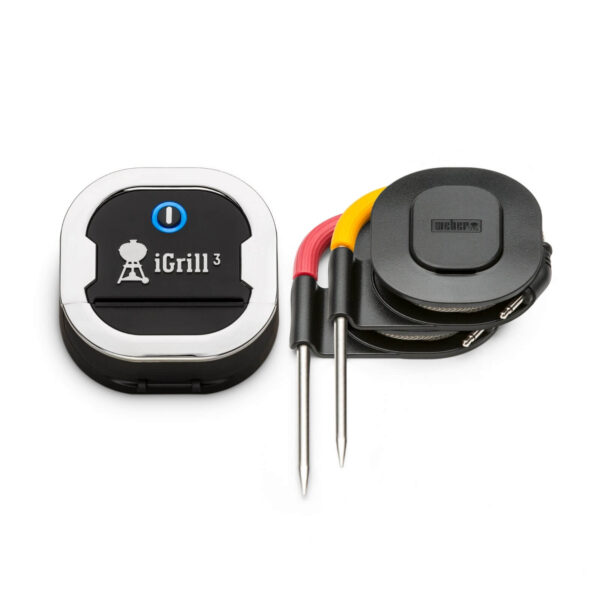
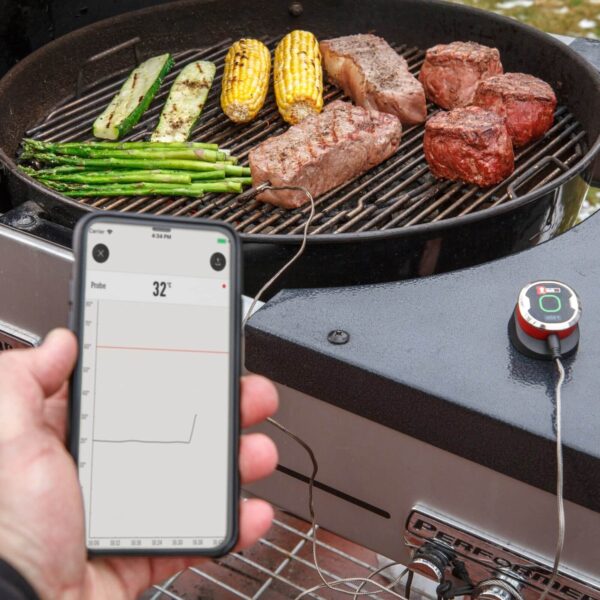
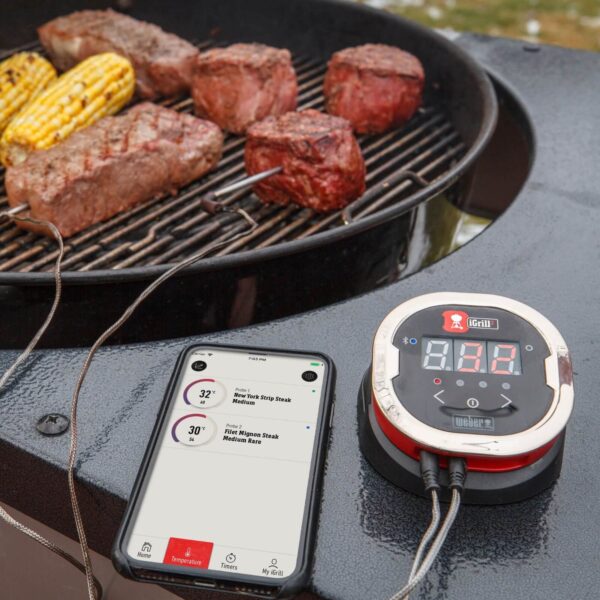
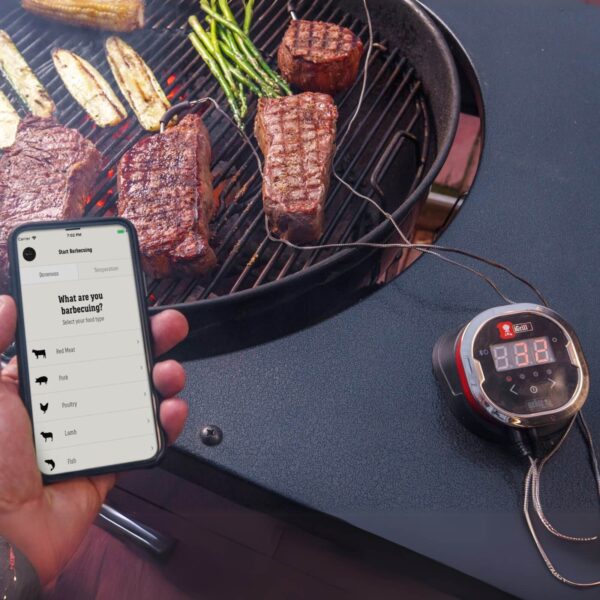
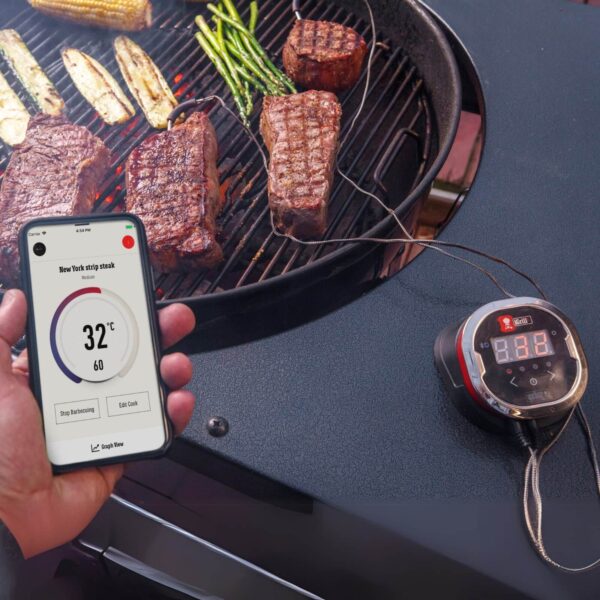
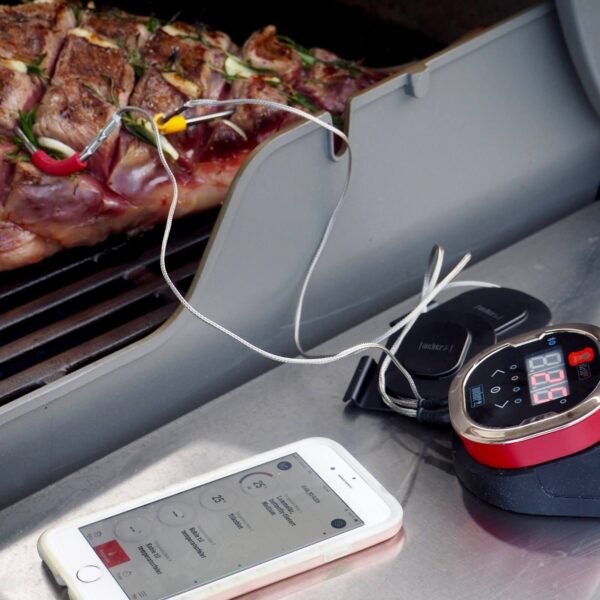
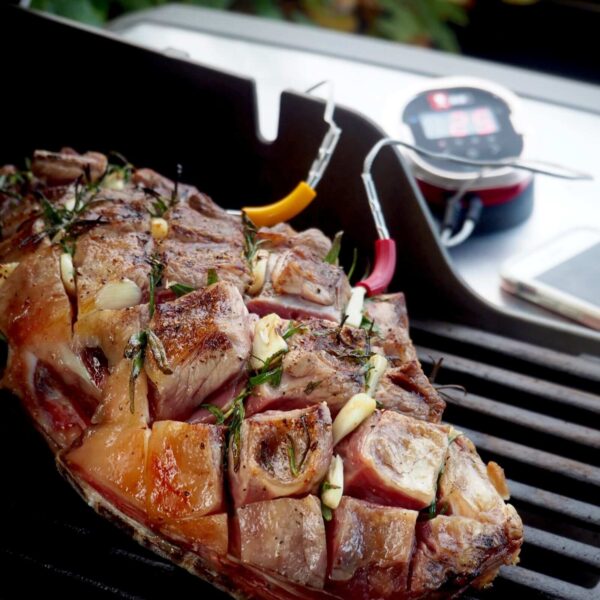
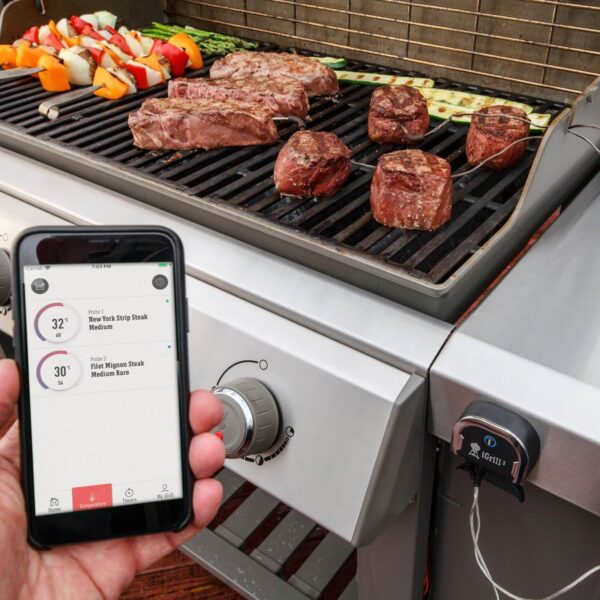
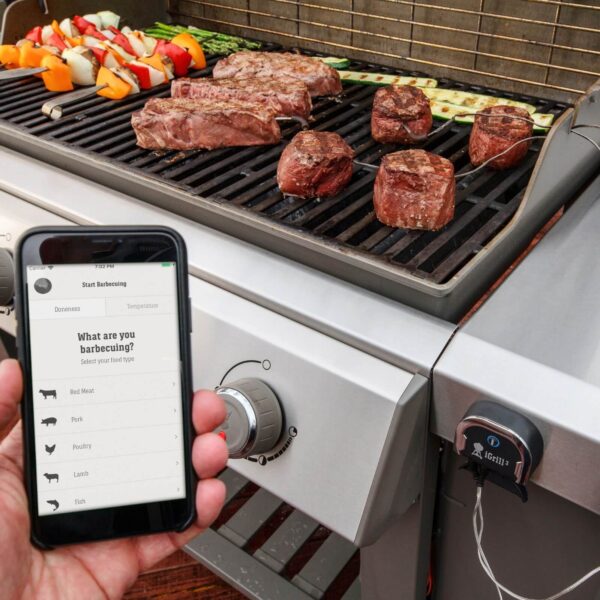
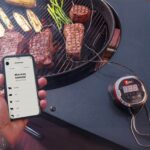
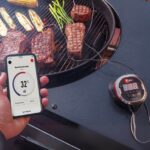
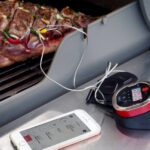
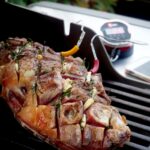
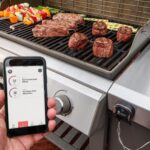
The ideal accessory for demanding grillers looking for precision and convenience in cooking. With Weber iGrill probes, you can monitor the temperature of your food in real time from your mobile device, ensuring perfect results effortlessly. Thanks to their Bluetooth connectivity and the Weber iGrill app, you can relax while cooking, without the need to constantly check the grill.
The iGrill probes are available in three versions: iGrill Mini, iGrill 2 and iGrill 3, each designed to suit different needs and levels of grill control. Whether you’re preparing a simple meal for the family or hosting a multi-cut barbecue, there’s an option for you.
iGrill Mini – Compact and precise control
The perfect companion for individual barbecues or small gatherings.
The iGrill Mini is the ideal choice for those looking for precision without fuss. Its compact design makes it easy to transport and store, without sacrificing functionality. With the capacity for one probe, it allows you to monitor the temperature of the meat with precision, ensuring that each piece is cooked exactly as you want it.
Through Bluetooth connectivity and the Weber iGrill app, you can control the temperature from your mobile device without the need to constantly open the grill, preventing heat loss and speeding up the cooking process.
Long-lasting autonomy for multiple grills
The iGrill Mini has a battery life of up to 150 hours of continuous use with the included battery. This allows you to grill multiple times without worrying about constantly replacing the battery, making the device highly efficient for its size.
Extreme heat resistant probe
The included probe is capable of withstanding temperatures up to 380 °C, making it ideal for thick cuts that require prolonged cooking, such as brisket or pork ribs. Thanks to its resistance, you won’t have to worry about durability even in extremely hot conditions.
iGrill 2 – Versatility for multiple cookings
Perfect for grillers looking to monitor multiple pieces of meat simultaneously.
If you cook for several people and want to ensure that each cut is cooked to the perfect temperature, the iGrill 2 is the ideal choice. Unlike the iGrill Mini, this model can hold up to four simultaneous probes, allowing you to monitor different types of meat at the same time, with different target temperatures.
Digital temperature display and real-time alerts
In addition to its compatibility with the Weber iGrill app, the iGrill 2 features a digital temperature display, allowing you to check readings directly on the device without the need to use your phone. This is especially useful in environments where you prefer to keep your phone away or when you need quick access to information without opening the app.
Longer battery life and wide temperature range
With 200 hours of battery life, the iGrill 2 outlasts the Mini, making it ideal for those who use the grill frequently. In addition, its temperature measurement capability ranges from -30°C to 300°C, making it suitable not only for traditional grilling, but also for low-temperature cooking techniques and prolonged smoking.
iGrill 3 – Full integration with Weber barbecues
Designed exclusively for Weber Genesis II and Spirit II gas grills
The iGrill 3 is the best choice for those who own a compatible Weber gas barbecue and want precise control without the need for additional accessories. This model integrates directly into the side table of the Genesis II and Spirit II barbecues, eliminating loose wires and providing a stable connection to the Weber iGrill app.
Advanced monitoring and superior autonomy
Like the iGrill 2, this model allows up to four simultaneous probes to be connected, making it easy to prepare large quantities of meat with different cooking times. However, its greatest advantage is its autonomy of 250 hours, the highest in the iGrill series, allowing extended grilling sessions without interruptions.
Full temperature control with customised settings
With this model, you can set preset or customised temperatures, set timers, and receive precise temperature alerts on your mobile device. In addition, its connectivity system maintains stable communication with the app, ensuring you never lose track of cooking progress.
Comparison between Weber iGrill probes
| Features |
iGrill Mini |
iGrill 2 |
iGrill 3 |
| Probe capacity |
1 |
4 |
4 |
| Included probes |
1 |
2 |
2 |
| Digital display |
No |
Yes |
No |
| Autonomy |
150 hours |
200 hours |
250 hours |
| Max. temperature |
380 °C |
300 °C |
300 °C |
| Bluetooth connectivity |
Yes |
Yes |
Yes |
| Compatible with Weber iGrill app |
Yes |
Yes |
Yes |
| Weber grill integration |
No |
No |
Yes (Genesis II and Spirit II) |
iGrill maintenance and care
To ensure optimal performance and prolong the life of your iGrill probe, proper maintenance is essential. This device is designed to withstand extreme heat, but it requires certain precautions to ensure accurate operation and prevent damage to its electronic components and temperature sensors. Below are the essential steps for cleaning, storing, and properly using your iGrill probe.
1. Proper cleaning of the device and probes
After each use, it is important to clean both the iGrill main unit and the probes to prevent the accumulation of grease and residue that can affect their accuracy and durability.
Main unit (iGrill base)
- Use a soft, lint-free cloth and a non-abrasive cleaning product to clean the outer casing.
- Avoid using abrasive sponges or harsh cleaners, as they may damage the surface of the device.
- Do not submerge the unit in water or expose it to excessive moisture, as it is not waterproof and could be damaged internally.
Temperature probes
- After each use, clean the probe with a damp cloth or soft sponge to remove any food or grease residue.
- Do not immerse the probe completely in water or place it in the dishwasher, as this may affect its performance.
- Avoid bending the probe cable at sharp angles or winding it too tightly, as this could damage the internal sensors and affect measurement accuracy.
2. Proper storage to extend service life
Proper storage of the iGrill and its probes is key to preventing unnecessary damage and keeping the device in optimal condition between uses.
- Store the device in a cool, dry place, away from direct sunlight and sources of extreme heat. Prolonged exposure to heat or humidity can affect the internal circuits and reduce its durability.
- Keep the probes in their case or in a protective cover, preventing the cables from becoming tangled or excessively bent. Improper storage can cause temperature readings to be inaccurate. Avoid placing heavy objects on top of the iGrill or probes, as this could damage the digital display (in the case of the iGrill 2) or affect the calibration of the temperature sensors.
3. Battery check and replacement
To avoid unexpected interruptions in temperature monitoring, it is advisable to regularly check the battery status of the iGrill.
- Frequency of checks: If you use the iGrill frequently, check the battery level every 2-3 uses. If you use it sporadically, check the battery before turning it on to ensure that it is working properly.
- Estimated battery life:
- iGrill Mini: up to 150 hours of battery life.
- iGrill 2: up to 200 hours of battery life.
- iGrill 3: up to 250 hours of battery life.
- How to change the battery:
- Locate the battery compartment on the back of the device.
- Carefully open the cover and remove the dead battery.
- Replace it with a new one of the type recommended in the user manual.
- Close the cover again, ensuring that it is properly sealed.
4. Correct use to avoid temperature measurement errors
The iGrill is a precise tool, but incorrect use can affect the accuracy of its measurements. Follow these tips to obtain reliable readings:
- Insert the probe into the thickest part of the food, avoiding contact with bones or excessive fat, as this can alter the recorded temperature.
- Do not expose the probe cable directly to fire or extreme temperatures above 380 °C, as this can damage the sensor and cause the probe to malfunction.
- Do not remove the probe immediately after cooking. Allow it to rest for a couple of minutes away from the heat before handling it, as extreme temperatures can damage the internal components if there are sudden changes in temperature.
5. Calibration and performance tests
If you notice that the temperature measurements are not accurate, you can perform a simple test to check the condition of the probe:
- Boiling water test:
- Fill a container with boiling water and immerse only the tip of the probe (without submerging the cable).
- The recorded temperature should be close to 100 °C.
- If the reading is off by several degrees, the probe may need to be replaced.
- Ice water test:
- Fill a glass with water and add enough ice to lower the temperature.
- Dip the tip of the probe into the water and check the reading.
- It should read approximately 0 °C.
If the reading is inaccurate in both tests, check the probe for visible damage or try another compatible probe to rule out a fault in the main device.
6. Additional precautions for safe use
- Do not leave the iGrill exposed to rain or extreme humidity, as the electronic components could be damaged and affect Bluetooth connectivity.
- Avoid placing the iGrill near direct heat sources, such as open burners or hot coals, as extreme heat can affect its performance.
- Keep the iGrill out of the reach of small children, as it contains small parts and batteries that may pose a risk.
- If you are not going to use the iGrill for an extended period of time, remove the batteries to prevent possible acid leakage that could damage the internal circuits.
The Weber iGrill is a precision tool designed to make it easy to cook meat, vegetables and other foods to perfection on the grill. However, to ensure optimal performance and prolong its useful life, proper maintenance is essential. Regular cleaning, proper storage, battery checks and calibration tests are key practices to prevent malfunctions and ensure accurate measurements with each use. By following these care instructions, your iGrill probe will accompany you on countless barbecues, helping you to always achieve the best results with every meal.
iGrill maintenance and care
To ensure optimal performance and prolong the life of your iGrill probe, proper maintenance is essential. This device is designed to withstand extreme heat, but it requires certain precautions to ensure accurate operation and prevent damage to its electronic components and temperature sensors. Below are the essential steps for cleaning, storing, and properly using your iGrill probe.
1. Proper cleaning of the device and probes
After each use, it is important to clean both the iGrill main unit and the probes to prevent the accumulation of grease and residue that can affect their accuracy and durability.
Main unit (iGrill base)- Use a soft, lint-free cloth and a non-abrasive cleaning product to clean the outer casing.
- Avoid using abrasive sponges or harsh cleaners, as they may damage the surface of the device.
- Do not submerge the unit in water or expose it to excessive moisture, as it is not waterproof and could be damaged internally.
Temperature probes- After each use, clean the probe with a damp cloth or soft sponge to remove any food or grease residue.
- Do not immerse the probe completely in water or place it in the dishwasher, as this may affect its performance.
- Avoid bending the probe cable at sharp angles or winding it too tightly, as this could damage the internal sensors and affect measurement accuracy.
2. Proper storage to extend service life
Proper storage of the iGrill and its probes is key to preventing unnecessary damage and keeping the device in optimal condition between uses.- Store the device in a cool, dry place, away from direct sunlight and sources of extreme heat. Prolonged exposure to heat or humidity can affect the internal circuits and reduce its durability.
- Keep the probes in their case or in a protective cover, preventing the cables from becoming tangled or excessively bent. Improper storage can cause temperature readings to be inaccurate. Avoid placing heavy objects on top of the iGrill or probes, as this could damage the digital display (in the case of the iGrill 2) or affect the calibration of the temperature sensors.
3. Battery check and replacement
To avoid unexpected interruptions in temperature monitoring, it is advisable to regularly check the battery status of the iGrill.- Frequency of checks: If you use the iGrill frequently, check the battery level every 2-3 uses. If you use it sporadically, check the battery before turning it on to ensure that it is working properly.
- Estimated battery life:
- iGrill Mini: up to 150 hours of battery life.
- iGrill 2: up to 200 hours of battery life.
- iGrill 3: up to 250 hours of battery life.
- How to change the battery:
- Locate the battery compartment on the back of the device.
- Carefully open the cover and remove the dead battery.
- Replace it with a new one of the type recommended in the user manual.
- Close the cover again, ensuring that it is properly sealed.
4. Correct use to avoid temperature measurement errors
The iGrill is a precise tool, but incorrect use can affect the accuracy of its measurements. Follow these tips to obtain reliable readings:- Insert the probe into the thickest part of the food, avoiding contact with bones or excessive fat, as this can alter the recorded temperature.
- Do not expose the probe cable directly to fire or extreme temperatures above 380 °C, as this can damage the sensor and cause the probe to malfunction.
- Do not remove the probe immediately after cooking. Allow it to rest for a couple of minutes away from the heat before handling it, as extreme temperatures can damage the internal components if there are sudden changes in temperature.
5. Calibration and performance tests
If you notice that the temperature measurements are not accurate, you can perform a simple test to check the condition of the probe:- Boiling water test:
- Fill a container with boiling water and immerse only the tip of the probe (without submerging the cable).
- The recorded temperature should be close to 100 °C.
- If the reading is off by several degrees, the probe may need to be replaced.
- Ice water test:
- Fill a glass with water and add enough ice to lower the temperature.
- Dip the tip of the probe into the water and check the reading.
- It should read approximately 0 °C.
If the reading is inaccurate in both tests, check the probe for visible damage or try another compatible probe to rule out a fault in the main device.6. Additional precautions for safe use
- Do not leave the iGrill exposed to rain or extreme humidity, as the electronic components could be damaged and affect Bluetooth connectivity.
- Avoid placing the iGrill near direct heat sources, such as open burners or hot coals, as extreme heat can affect its performance.
- Keep the iGrill out of the reach of small children, as it contains small parts and batteries that may pose a risk.
- If you are not going to use the iGrill for an extended period of time, remove the batteries to prevent possible acid leakage that could damage the internal circuits.
The Weber iGrill is a precision tool designed to make it easy to cook meat, vegetables and other foods to perfection on the grill. However, to ensure optimal performance and prolong its useful life, proper maintenance is essential. Regular cleaning, proper storage, battery checks and calibration tests are key practices to prevent malfunctions and ensure accurate measurements with each use. By following these care instructions, your iGrill probe will accompany you on countless barbecues, helping you to always achieve the best results with every meal.
iGrill maintenance and care
To ensure optimal performance and prolong the life of your iGrill probe, proper maintenance is essential. This device is designed to withstand extreme heat, but it requires certain precautions to ensure accurate operation and prevent damage to its electronic components and temperature sensors. Below are the essential steps for cleaning, storing, and properly using your iGrill probe.
1. Proper cleaning of the device and probes
After each use, it is important to clean both the iGrill main unit and the probes to prevent the accumulation of grease and residue that can affect their accuracy and durability.
Main unit (iGrill base)- Use a soft, lint-free cloth and a non-abrasive cleaning product to clean the outer casing.
- Avoid using abrasive sponges or harsh cleaners, as they may damage the surface of the device.
- Do not submerge the unit in water or expose it to excessive moisture, as it is not waterproof and could be damaged internally.
Temperature probes- After each use, clean the probe with a damp cloth or soft sponge to remove any food or grease residue.
- Do not immerse the probe completely in water or place it in the dishwasher, as this may affect its performance.
- Avoid bending the probe cable at sharp angles or winding it too tightly, as this could damage the internal sensors and affect measurement accuracy.
2. Proper storage to extend service life
Proper storage of the iGrill and its probes is key to preventing unnecessary damage and keeping the device in optimal condition between uses.- Store the device in a cool, dry place, away from direct sunlight and sources of extreme heat. Prolonged exposure to heat or humidity can affect the internal circuits and reduce its durability.
- Keep the probes in their case or in a protective cover, preventing the cables from becoming tangled or excessively bent. Improper storage can cause temperature readings to be inaccurate. Avoid placing heavy objects on top of the iGrill or probes, as this could damage the digital display (in the case of the iGrill 2) or affect the calibration of the temperature sensors.
3. Battery check and replacement
To avoid unexpected interruptions in temperature monitoring, it is advisable to regularly check the battery status of the iGrill.- Frequency of checks: If you use the iGrill frequently, check the battery level every 2-3 uses. If you use it sporadically, check the battery before turning it on to ensure that it is working properly.
- Estimated battery life:
- iGrill Mini: up to 150 hours of battery life.
- iGrill 2: up to 200 hours of battery life.
- iGrill 3: up to 250 hours of battery life.
- How to change the battery:
- Locate the battery compartment on the back of the device.
- Carefully open the cover and remove the dead battery.
- Replace it with a new one of the type recommended in the user manual.
- Close the cover again, ensuring that it is properly sealed.
4. Correct use to avoid temperature measurement errors
The iGrill is a precise tool, but incorrect use can affect the accuracy of its measurements. Follow these tips to obtain reliable readings:- Insert the probe into the thickest part of the food, avoiding contact with bones or excessive fat, as this can alter the recorded temperature.
- Do not expose the probe cable directly to fire or extreme temperatures above 380 °C, as this can damage the sensor and cause the probe to malfunction.
- Do not remove the probe immediately after cooking. Allow it to rest for a couple of minutes away from the heat before handling it, as extreme temperatures can damage the internal components if there are sudden changes in temperature.
5. Calibration and performance tests
If you notice that the temperature measurements are not accurate, you can perform a simple test to check the condition of the probe:- Boiling water test:
- Fill a container with boiling water and immerse only the tip of the probe (without submerging the cable).
- The recorded temperature should be close to 100 °C.
- If the reading is off by several degrees, the probe may need to be replaced.
- Ice water test:
- Fill a glass with water and add enough ice to lower the temperature.
- Dip the tip of the probe into the water and check the reading.
- It should read approximately 0 °C.
If the reading is inaccurate in both tests, check the probe for visible damage or try another compatible probe to rule out a fault in the main device.6. Additional precautions for safe use
- Do not leave the iGrill exposed to rain or extreme humidity, as the electronic components could be damaged and affect Bluetooth connectivity.
- Avoid placing the iGrill near direct heat sources, such as open burners or hot coals, as extreme heat can affect its performance.
- Keep the iGrill out of the reach of small children, as it contains small parts and batteries that may pose a risk.
- If you are not going to use the iGrill for an extended period of time, remove the batteries to prevent possible acid leakage that could damage the internal circuits.
The Weber iGrill is a precision tool designed to make it easy to cook meat, vegetables and other foods to perfection on the grill. However, to ensure optimal performance and prolong its useful life, proper maintenance is essential. Regular cleaning, proper storage, battery checks and calibration tests are key practices to prevent malfunctions and ensure accurate measurements with each use. By following these care instructions, your iGrill probe will accompany you on countless barbecues, helping you to always achieve the best results with every meal.
iGrill maintenance and care
To ensure optimal performance and prolong the life of your iGrill probe, proper maintenance is essential. This device is designed to withstand extreme heat, but it requires certain precautions to ensure accurate operation and prevent damage to its electronic components and temperature sensors. Below are the essential steps for cleaning, storing, and properly using your iGrill probe.
1. Proper cleaning of the device and probes
After each use, it is important to clean both the iGrill main unit and the probes to prevent the accumulation of grease and residue that can affect their accuracy and durability.
Main unit (iGrill base)- Use a soft, lint-free cloth and a non-abrasive cleaning product to clean the outer casing.
- Avoid using abrasive sponges or harsh cleaners, as they may damage the surface of the device.
- Do not submerge the unit in water or expose it to excessive moisture, as it is not waterproof and could be damaged internally.
Temperature probes- After each use, clean the probe with a damp cloth or soft sponge to remove any food or grease residue.
- Do not immerse the probe completely in water or place it in the dishwasher, as this may affect its performance.
- Avoid bending the probe cable at sharp angles or winding it too tightly, as this could damage the internal sensors and affect measurement accuracy.
2. Proper storage to extend service life
Proper storage of the iGrill and its probes is key to preventing unnecessary damage and keeping the device in optimal condition between uses.- Store the device in a cool, dry place, away from direct sunlight and sources of extreme heat. Prolonged exposure to heat or humidity can affect the internal circuits and reduce its durability.
- Keep the probes in their case or in a protective cover, preventing the cables from becoming tangled or excessively bent. Improper storage can cause temperature readings to be inaccurate. Avoid placing heavy objects on top of the iGrill or probes, as this could damage the digital display (in the case of the iGrill 2) or affect the calibration of the temperature sensors.
3. Battery check and replacement
To avoid unexpected interruptions in temperature monitoring, it is advisable to regularly check the battery status of the iGrill.- Frequency of checks: If you use the iGrill frequently, check the battery level every 2-3 uses. If you use it sporadically, check the battery before turning it on to ensure that it is working properly.
- Estimated battery life:
- iGrill Mini: up to 150 hours of battery life.
- iGrill 2: up to 200 hours of battery life.
- iGrill 3: up to 250 hours of battery life.
- How to change the battery:
- Locate the battery compartment on the back of the device.
- Carefully open the cover and remove the dead battery.
- Replace it with a new one of the type recommended in the user manual.
- Close the cover again, ensuring that it is properly sealed.
4. Correct use to avoid temperature measurement errors
The iGrill is a precise tool, but incorrect use can affect the accuracy of its measurements. Follow these tips to obtain reliable readings:- Insert the probe into the thickest part of the food, avoiding contact with bones or excessive fat, as this can alter the recorded temperature.
- Do not expose the probe cable directly to fire or extreme temperatures above 380 °C, as this can damage the sensor and cause the probe to malfunction.
- Do not remove the probe immediately after cooking. Allow it to rest for a couple of minutes away from the heat before handling it, as extreme temperatures can damage the internal components if there are sudden changes in temperature.
5. Calibration and performance tests
If you notice that the temperature measurements are not accurate, you can perform a simple test to check the condition of the probe:- Boiling water test:
- Fill a container with boiling water and immerse only the tip of the probe (without submerging the cable).
- The recorded temperature should be close to 100 °C.
- If the reading is off by several degrees, the probe may need to be replaced.
- Ice water test:
- Fill a glass with water and add enough ice to lower the temperature.
- Dip the tip of the probe into the water and check the reading.
- It should read approximately 0 °C.
If the reading is inaccurate in both tests, check the probe for visible damage or try another compatible probe to rule out a fault in the main device.6. Additional precautions for safe use
- Do not leave the iGrill exposed to rain or extreme humidity, as the electronic components could be damaged and affect Bluetooth connectivity.
- Avoid placing the iGrill near direct heat sources, such as open burners or hot coals, as extreme heat can affect its performance.
- Keep the iGrill out of the reach of small children, as it contains small parts and batteries that may pose a risk.
- If you are not going to use the iGrill for an extended period of time, remove the batteries to prevent possible acid leakage that could damage the internal circuits.
The Weber iGrill is a precision tool designed to make it easy to cook meat, vegetables and other foods to perfection on the grill. However, to ensure optimal performance and prolong its useful life, proper maintenance is essential. Regular cleaning, proper storage, battery checks and calibration tests are key practices to prevent malfunctions and ensure accurate measurements with each use. By following these care instructions, your iGrill probe will accompany you on countless barbecues, helping you to always achieve the best results with every meal.
Below are two detailed recipes that highlight the usefulness of the iGrill in preparing dishes with temperature precision. The first recipe is a delicious option with salmon, while the second is a vegetarian alternative based on stuffed portobello mushrooms.
Grilled salmon with spice crust and roasted vegetables
A balanced dish, full of flavour and cooked to perfection
Salmon is one of the most delicate proteins to cook, as it can quickly dry out if the recommended temperature is exceeded. Thanks to the iGrill probe, you can ensure a juicy interior with a golden, crispy crust on the outside.
Ingredients:
For the salmon:
- 2 fresh salmon fillets (approximately 200 g each)
- 1 teaspoon smoked paprika
- 1 teaspoon garlic powder
- 1 teaspoon ground cumin
- ½ teaspoon black pepper
- 1 teaspoon coarse salt
- 1 tablespoon Dijon mustard
- 1 tablespoon honey
- 1 tablespoon olive oil
For the roasted vegetables:
- 1 medium courgette, cut into thick slices
- 1 red pepper, cut into strips
- 1 small aubergine, cut into slices
- 1 red onion, cut into wedges
- 2 tablespoons olive oil
- 1 teaspoon dried thyme
- Salt and pepper to taste
For the yoghurt and dill sauce:
- 100 g natural Greek yoghurt
- 1 tablespoon lemon juice
- 1 tablespoon chopped fresh dill
- 1 clove garlic, grated
- Salt and pepper to taste
Preparation:
- Prepare the salmon: In a small bowl, mix the paprika, garlic powder, cumin, pepper and salt. In another bowl, mix the mustard, honey and olive oil. Coat the salmon fillets with the liquid mixture and then sprinkle the spice mixture on top, pressing lightly to form a crust. Preheat the grill: Set the grill to medium-high heat and grease the grates with a little oil to prevent the salmon from sticking.
- Set up the iGrill probe: Insert the probe into the thickest part of the salmon and set the target temperature to 55°C for a juicy medium doneness.
- Cook the salmon: Place the fillets on the grill, skin side down, and cook with the lid closed. When the iGrill alerts you that the desired temperature has been reached, remove the salmon from the heat and let it rest for 5 minutes before serving.
- Roast the vegetables: Toss the vegetables with olive oil, thyme, salt, and pepper. Place them in a grill basket and roast until tender and golden brown (approximately 8-10 minutes).
- Prepare the yoghurt sauce: In a bowl, mix the yoghurt, lemon juice, dill, garlic, salt, and pepper. Serve alongside the salmon and vegetables.
This dish is ideal for a light and nutritious meal, perfect for taking full advantage of the iGrill probe's precision.
Portobellos stuffed with goat cheese and spinach with quinoa salad (Vegetarian option)
A delicious and healthy alternative that demonstrates the versatility of the iGrill
Portobello mushrooms are an excellent choice for vegetarian barbecues, as their meaty texture allows them to resemble a cut of meat. Stuffed with goat cheese and spinach, they become an easy-to-prepare gourmet dish.
Ingredients:
For the stuffed portobellos:- 4 large portobello mushrooms
- 100 g crumbled goat's cheese
- 1 cup chopped fresh spinach
- 1 clove garlic, minced
- 1 tablespoon olive oil
- 1 tablespoon chopped walnuts (optional)
- Salt and pepper to taste
For the quinoa salad:- 1 cup cooked quinoa
- ½ cucumber, finely diced
- ½ yellow pepper, diced
- ½ red onion, finely chopped
- 2 tablespoons chopped fresh parsley
- 1 tablespoon lemon juice
- 1 tablespoon olive oil
- Salt and pepper to taste
Preparation:
- Prepare the portobello mushrooms: Remove the stems from the mushrooms and clean the caps with a damp cloth. Brush each portobello mushroom with a little olive oil and season with salt and pepper.
- Prepare the filling: Heat a tablespoon of olive oil in a frying pan and sauté the garlic for 1 minute. Add the spinach and cook until wilted. Remove from the heat and mix in the goat's cheese and chopped walnuts.
- Stuff the portobellos: Divide the mixture among the mushrooms and press gently to compact it.
- Set up the iGrill probe: Insert the probe into the centre of one of the portobellos and set the target temperature to 85 °C.
- Cook the portobellos: Place them on the grill over medium heat and cook with the lid closed until the iGrill indicates that they have reached the desired temperature (approximately 10-12 minutes).
- Prepare the quinoa salad: In a large bowl, mix the cooked quinoa with the cucumber, bell pepper, onion, and parsley. Dress with lemon juice, olive oil, salt, and pepper.
- Serve and enjoy: Place the portobellos on a plate and serve with the quinoa salad.
This vegetarian dish is not only healthy, but also takes advantage of iGrill technology to ensure perfect cooking, highlighting the flavours and textures of each ingredient. Weber's iGrill probes take your grilling experience to the next level, ensuring precise and delicious results with minimal effort.
Below are two detailed recipes that highlight the usefulness of the iGrill in preparing dishes with temperature precision. The first recipe is a delicious option with salmon, while the second is a vegetarian alternative based on stuffed portobello mushrooms.
Grilled salmon with spice crust and roasted vegetables
A balanced dish, full of flavour and cooked to perfection
Salmon is one of the most delicate proteins to cook, as it can quickly dry out if the recommended temperature is exceeded. Thanks to the iGrill probe, you can ensure a juicy interior with a golden, crispy crust on the outside.
Ingredients:
For the salmon:
- 2 fresh salmon fillets (approximately 200 g each)
- 1 teaspoon smoked paprika
- 1 teaspoon garlic powder
- 1 teaspoon ground cumin
- ½ teaspoon black pepper
- 1 teaspoon coarse salt
- 1 tablespoon Dijon mustard
- 1 tablespoon honey
- 1 tablespoon olive oil
For the roasted vegetables:
- 1 medium courgette, cut into thick slices
- 1 red pepper, cut into strips
- 1 small aubergine, cut into slices
- 1 red onion, cut into wedges
- 2 tablespoons olive oil
- 1 teaspoon dried thyme
- Salt and pepper to taste
For the yoghurt and dill sauce:
- 100 g natural Greek yoghurt
- 1 tablespoon lemon juice
- 1 tablespoon chopped fresh dill
- 1 clove garlic, grated
- Salt and pepper to taste
Preparation:
- Prepare the salmon: In a small bowl, mix the paprika, garlic powder, cumin, pepper and salt. In another bowl, mix the mustard, honey and olive oil. Coat the salmon fillets with the liquid mixture and then sprinkle the spice mixture on top, pressing lightly to form a crust. Preheat the grill: Set the grill to medium-high heat and grease the grates with a little oil to prevent the salmon from sticking.
- Set up the iGrill probe: Insert the probe into the thickest part of the salmon and set the target temperature to 55°C for a juicy medium doneness.
- Cook the salmon: Place the fillets on the grill, skin side down, and cook with the lid closed. When the iGrill alerts you that the desired temperature has been reached, remove the salmon from the heat and let it rest for 5 minutes before serving.
- Roast the vegetables: Toss the vegetables with olive oil, thyme, salt, and pepper. Place them in a grill basket and roast until tender and golden brown (approximately 8-10 minutes).
- Prepare the yoghurt sauce: In a bowl, mix the yoghurt, lemon juice, dill, garlic, salt, and pepper. Serve alongside the salmon and vegetables.
This dish is ideal for a light and nutritious meal, perfect for taking full advantage of the iGrill probe's precision.
Portobellos stuffed with goat cheese and spinach with quinoa salad (Vegetarian option)
A delicious and healthy alternative that demonstrates the versatility of the iGrill
Portobello mushrooms are an excellent choice for vegetarian barbecues, as their meaty texture allows them to resemble a cut of meat. Stuffed with goat cheese and spinach, they become an easy-to-prepare gourmet dish.
Ingredients:
For the stuffed portobellos:- 4 large portobello mushrooms
- 100 g crumbled goat's cheese
- 1 cup chopped fresh spinach
- 1 clove garlic, minced
- 1 tablespoon olive oil
- 1 tablespoon chopped walnuts (optional)
- Salt and pepper to taste
For the quinoa salad:- 1 cup cooked quinoa
- ½ cucumber, finely diced
- ½ yellow pepper, diced
- ½ red onion, finely chopped
- 2 tablespoons chopped fresh parsley
- 1 tablespoon lemon juice
- 1 tablespoon olive oil
- Salt and pepper to taste
Preparation:
- Prepare the portobello mushrooms: Remove the stems from the mushrooms and clean the caps with a damp cloth. Brush each portobello mushroom with a little olive oil and season with salt and pepper.
- Prepare the filling: Heat a tablespoon of olive oil in a frying pan and sauté the garlic for 1 minute. Add the spinach and cook until wilted. Remove from the heat and mix in the goat's cheese and chopped walnuts.
- Stuff the portobellos: Divide the mixture among the mushrooms and press gently to compact it.
- Set up the iGrill probe: Insert the probe into the centre of one of the portobellos and set the target temperature to 85 °C.
- Cook the portobellos: Place them on the grill over medium heat and cook with the lid closed until the iGrill indicates that they have reached the desired temperature (approximately 10-12 minutes).
- Prepare the quinoa salad: In a large bowl, mix the cooked quinoa with the cucumber, bell pepper, onion, and parsley. Dress with lemon juice, olive oil, salt, and pepper.
- Serve and enjoy: Place the portobellos on a plate and serve with the quinoa salad.
This vegetarian dish is not only healthy, but also takes advantage of iGrill technology to ensure perfect cooking, highlighting the flavours and textures of each ingredient. Weber's iGrill probes take your grilling experience to the next level, ensuring precise and delicious results with minimal effort.
Below are two detailed recipes that highlight the usefulness of the iGrill in preparing dishes with temperature precision. The first recipe is a delicious option with salmon, while the second is a vegetarian alternative based on stuffed portobello mushrooms.
Grilled salmon with spice crust and roasted vegetables
A balanced dish, full of flavour and cooked to perfection
Salmon is one of the most delicate proteins to cook, as it can quickly dry out if the recommended temperature is exceeded. Thanks to the iGrill probe, you can ensure a juicy interior with a golden, crispy crust on the outside.
Ingredients:
For the salmon:
- 2 fresh salmon fillets (approximately 200 g each)
- 1 teaspoon smoked paprika
- 1 teaspoon garlic powder
- 1 teaspoon ground cumin
- ½ teaspoon black pepper
- 1 teaspoon coarse salt
- 1 tablespoon Dijon mustard
- 1 tablespoon honey
- 1 tablespoon olive oil
For the roasted vegetables:
- 1 medium courgette, cut into thick slices
- 1 red pepper, cut into strips
- 1 small aubergine, cut into slices
- 1 red onion, cut into wedges
- 2 tablespoons olive oil
- 1 teaspoon dried thyme
- Salt and pepper to taste
For the yoghurt and dill sauce:
- 100 g natural Greek yoghurt
- 1 tablespoon lemon juice
- 1 tablespoon chopped fresh dill
- 1 clove garlic, grated
- Salt and pepper to taste
Preparation:
- Prepare the salmon: In a small bowl, mix the paprika, garlic powder, cumin, pepper and salt. In another bowl, mix the mustard, honey and olive oil. Coat the salmon fillets with the liquid mixture and then sprinkle the spice mixture on top, pressing lightly to form a crust. Preheat the grill: Set the grill to medium-high heat and grease the grates with a little oil to prevent the salmon from sticking.
- Set up the iGrill probe: Insert the probe into the thickest part of the salmon and set the target temperature to 55°C for a juicy medium doneness.
- Cook the salmon: Place the fillets on the grill, skin side down, and cook with the lid closed. When the iGrill alerts you that the desired temperature has been reached, remove the salmon from the heat and let it rest for 5 minutes before serving.
- Roast the vegetables: Toss the vegetables with olive oil, thyme, salt, and pepper. Place them in a grill basket and roast until tender and golden brown (approximately 8-10 minutes).
- Prepare the yoghurt sauce: In a bowl, mix the yoghurt, lemon juice, dill, garlic, salt, and pepper. Serve alongside the salmon and vegetables.
This dish is ideal for a light and nutritious meal, perfect for taking full advantage of the iGrill probe's precision.
Portobellos stuffed with goat cheese and spinach with quinoa salad (Vegetarian option)
A delicious and healthy alternative that demonstrates the versatility of the iGrill
Portobello mushrooms are an excellent choice for vegetarian barbecues, as their meaty texture allows them to resemble a cut of meat. Stuffed with goat cheese and spinach, they become an easy-to-prepare gourmet dish.
Ingredients:
For the stuffed portobellos:- 4 large portobello mushrooms
- 100 g crumbled goat's cheese
- 1 cup chopped fresh spinach
- 1 clove garlic, minced
- 1 tablespoon olive oil
- 1 tablespoon chopped walnuts (optional)
- Salt and pepper to taste
For the quinoa salad:- 1 cup cooked quinoa
- ½ cucumber, finely diced
- ½ yellow pepper, diced
- ½ red onion, finely chopped
- 2 tablespoons chopped fresh parsley
- 1 tablespoon lemon juice
- 1 tablespoon olive oil
- Salt and pepper to taste
Preparation:
- Prepare the portobello mushrooms: Remove the stems from the mushrooms and clean the caps with a damp cloth. Brush each portobello mushroom with a little olive oil and season with salt and pepper.
- Prepare the filling: Heat a tablespoon of olive oil in a frying pan and sauté the garlic for 1 minute. Add the spinach and cook until wilted. Remove from the heat and mix in the goat's cheese and chopped walnuts.
- Stuff the portobellos: Divide the mixture among the mushrooms and press gently to compact it.
- Set up the iGrill probe: Insert the probe into the centre of one of the portobellos and set the target temperature to 85 °C.
- Cook the portobellos: Place them on the grill over medium heat and cook with the lid closed until the iGrill indicates that they have reached the desired temperature (approximately 10-12 minutes).
- Prepare the quinoa salad: In a large bowl, mix the cooked quinoa with the cucumber, bell pepper, onion, and parsley. Dress with lemon juice, olive oil, salt, and pepper.
- Serve and enjoy: Place the portobellos on a plate and serve with the quinoa salad.
This vegetarian dish is not only healthy, but also takes advantage of iGrill technology to ensure perfect cooking, highlighting the flavours and textures of each ingredient. Weber's iGrill probes take your grilling experience to the next level, ensuring precise and delicious results with minimal effort.
Below are two detailed recipes that highlight the usefulness of the iGrill in preparing dishes with temperature precision. The first recipe is a delicious option with salmon, while the second is a vegetarian alternative based on stuffed portobello mushrooms.
Grilled salmon with spice crust and roasted vegetables
A balanced dish, full of flavour and cooked to perfection
Salmon is one of the most delicate proteins to cook, as it can quickly dry out if the recommended temperature is exceeded. Thanks to the iGrill probe, you can ensure a juicy interior with a golden, crispy crust on the outside.
Ingredients:
For the salmon:
- 2 fresh salmon fillets (approximately 200 g each)
- 1 teaspoon smoked paprika
- 1 teaspoon garlic powder
- 1 teaspoon ground cumin
- ½ teaspoon black pepper
- 1 teaspoon coarse salt
- 1 tablespoon Dijon mustard
- 1 tablespoon honey
- 1 tablespoon olive oil
For the roasted vegetables:
- 1 medium courgette, cut into thick slices
- 1 red pepper, cut into strips
- 1 small aubergine, cut into slices
- 1 red onion, cut into wedges
- 2 tablespoons olive oil
- 1 teaspoon dried thyme
- Salt and pepper to taste
For the yoghurt and dill sauce:
- 100 g natural Greek yoghurt
- 1 tablespoon lemon juice
- 1 tablespoon chopped fresh dill
- 1 clove garlic, grated
- Salt and pepper to taste
Preparation:
- Prepare the salmon: In a small bowl, mix the paprika, garlic powder, cumin, pepper and salt. In another bowl, mix the mustard, honey and olive oil. Coat the salmon fillets with the liquid mixture and then sprinkle the spice mixture on top, pressing lightly to form a crust. Preheat the grill: Set the grill to medium-high heat and grease the grates with a little oil to prevent the salmon from sticking.
- Set up the iGrill probe: Insert the probe into the thickest part of the salmon and set the target temperature to 55°C for a juicy medium doneness.
- Cook the salmon: Place the fillets on the grill, skin side down, and cook with the lid closed. When the iGrill alerts you that the desired temperature has been reached, remove the salmon from the heat and let it rest for 5 minutes before serving.
- Roast the vegetables: Toss the vegetables with olive oil, thyme, salt, and pepper. Place them in a grill basket and roast until tender and golden brown (approximately 8-10 minutes).
- Prepare the yoghurt sauce: In a bowl, mix the yoghurt, lemon juice, dill, garlic, salt, and pepper. Serve alongside the salmon and vegetables.
This dish is ideal for a light and nutritious meal, perfect for taking full advantage of the iGrill probe's precision.
Portobellos stuffed with goat cheese and spinach with quinoa salad (Vegetarian option)
A delicious and healthy alternative that demonstrates the versatility of the iGrill
Portobello mushrooms are an excellent choice for vegetarian barbecues, as their meaty texture allows them to resemble a cut of meat. Stuffed with goat cheese and spinach, they become an easy-to-prepare gourmet dish.
Ingredients:
For the stuffed portobellos:
- 4 large portobello mushrooms
- 100 g crumbled goat's cheese
- 1 cup chopped fresh spinach
- 1 clove garlic, minced
- 1 tablespoon olive oil
- 1 tablespoon chopped walnuts (optional)
- Salt and pepper to taste
For the quinoa salad:
- 1 cup cooked quinoa
- ½ cucumber, finely diced
- ½ yellow pepper, diced
- ½ red onion, finely chopped
- 2 tablespoons chopped fresh parsley
- 1 tablespoon lemon juice
- 1 tablespoon olive oil
- Salt and pepper to taste
Preparation:
- Prepare the portobello mushrooms: Remove the stems from the mushrooms and clean the caps with a damp cloth. Brush each portobello mushroom with a little olive oil and season with salt and pepper.
- Prepare the filling: Heat a tablespoon of olive oil in a frying pan and sauté the garlic for 1 minute. Add the spinach and cook until wilted. Remove from the heat and mix in the goat's cheese and chopped walnuts.
- Stuff the portobellos: Divide the mixture among the mushrooms and press gently to compact it.
- Set up the iGrill probe: Insert the probe into the centre of one of the portobellos and set the target temperature to 85 °C.
- Cook the portobellos: Place them on the grill over medium heat and cook with the lid closed until the iGrill indicates that they have reached the desired temperature (approximately 10-12 minutes).
- Prepare the quinoa salad: In a large bowl, mix the cooked quinoa with the cucumber, bell pepper, onion, and parsley. Dress with lemon juice, olive oil, salt, and pepper.
- Serve and enjoy: Place the portobellos on a plate and serve with the quinoa salad.
This vegetarian dish is not only healthy, but also takes advantage of iGrill technology to ensure perfect cooking, highlighting the flavours and textures of each ingredient. Weber's iGrill probes take your grilling experience to the next level, ensuring precise and delicious results with minimal effort.