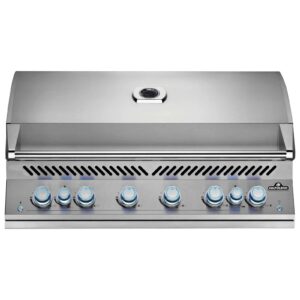
Creating a functional, durable and aesthetically impeccable outdoor kitchen requires components that live up to that vision. Napoleon’s line of single door and recessed drawer combinations has been designed to do just that: to provide efficient storage solutions that harmonise with any outdoor kitchen project. With its recessed design, durable materials and various configurations, this range offers a solid foundation for those seeking a high-performance outdoor space without compromising style or convenience.
Whether for those enjoying an informal evening of grilling or design enthusiasts planning a sophisticated, high-end outdoor kitchen, these modules are a professional, robust and versatile choice.
Robust Stainless Steel Construction
One of this line’s most important features is its materials. Each module is made of premium grade stainless steel, a material resistant to corrosion, wear and tear and the most demanding climatic conditions. This type of steel maintains its appearance and functionality even after years of outdoor use, ensuring a long-term investment.
In addition, the handles are made of anodised aluminium, a detail that enhances both aesthetics and strength. This type of aluminium does not discolour in the sun, is highly durable against moisture and offers an ergonomic feel that enhances the user experience.
Modular Design for Custom Outdoor Kitchens
An outdoor kitchen should not be limited to a grill and a table. Napoleon allows you to build a truly functional, custom-designed space with modules that integrate seamlessly into kitchen islands or custom structures.
The most remarkable advantage is that these modules include a specially designed top opening to place other devices or work surfaces right on top. This solution offers great design freedom and maximises every centimetre of available space. From an additional sink to a cutting area or even a portable iron, everything can be integrated without altering the functionality of the lower storage.
Hassle-free installation with seamless processing
Thanks to high-precision industrial processing, each unit features smooth surfaces, blunt corners and exact measurements to ensure a clean, seamless installation. The exterior and installation dimensions have been carefully specified for easy integration into existing or newly constructed furniture.
This seamless design not only makes assembly easier, but also enhances the overall aesthetics of the space: no awkward joints, no protruding elements, everything fits together with a uniform, professional finish.
Variety of Configurations for Different Needs
The Napoleon collection offers 8 main variants, all developed to meet specific needs within an outdoor kitchen. From general storage to waste management and detailed organisation, these combinations allow you to fully customise the workflow in your outdoor space.
Variant Comparison Table
To help you choose the variant that best suits your outdoor kitchen, we present a comprehensive comparison table with the most relevant specifications: dimensions, number of drawers, integrated accessories and recommended use. This practical guide is ideal for design professionals, architects, installers or any amateur who wants to make an informed decision based on use, size of space and desired level of functionality.
| Variation |
Overall Dimensions (cm) |
Drawers |
Waste Container |
Interior Shelves |
Roll holder |
Ideal For |
| Single Door and Double Drawer (100×50) |
100 x 50.2 x 59.7 |
2 |
No |
2 |
No |
Individual outdoor kitchen with efficient storage and high-quality design |
| Door + Double Drawer (115×50) |
114.9 x 50.2 x 59.7 |
2 |
No |
2 |
No |
Narrow spaces requiring basic utensil organisation |
| Door + 2 Drawers (100×50) |
100 x 50 x 59.7 |
2 |
No |
2 |
No |
Compact and versatile storage module for small outdoor kitchens |
| Large Door + Waste Drawer (115×71) |
114.9 x 70.5 x 59.7 |
0 |
Yes |
2 |
Yes |
Kitchens with emphasis on hygiene, tidiness and recycling |
| Door + Waste Drawer (101×71) |
100 x 70.5 x 59.7 |
0 |
Yes |
2 |
Yes |
Compact alternative with hygienic functions included |
| Door + 2 drawers (91×61) |
100 x 70.5 x 59.7 |
2 |
No |
2 |
No |
Medium-sized kitchens are looking for quick and tidy access |
| Door + 2 drawers (107×61) |
114.9 x 70.5 x 59.7 |
2 |
No |
2 |
No |
Larger solution for a more horizontal organisation |
| Door + 3 Drawers (115×71) |
114.9 x 70.5 x 59.7 |
3 |
No |
2 |
No |
Maximum storage and sorting capacity |
| Door + 3 drawers (100×71) |
100 x 70.5 x 59.7 |
3 |
No |
2 |
No |
Compact alternative for those who need |
Internal Space Optimisation
Each module includes two fixed interior shelves, allowing items to be efficiently distributed by level and use. This means that the most frequently used utensils can be within immediate reach, while less frequently stored items can occupy the lower level.
In addition, thanks to the internal width available, it is possible to incorporate customised organisers, pull-out trays or vertical dividers for even greater space control. This versatility makes these modules true work centres within the outdoor kitchen.
Functionality Beyond the Barbecue
Napoleon’s built-in modules can go far beyond the barbecue area. Thanks to their strength and elegant design, they have secondary uses in:
-
Indoor industrial kitchens: as heat and moisture-resistant auxiliary stations.
-
Service areas in restaurants or caterers, where quick organisation is vital.
-
Creative workshops or gourmet studios: as storage stations for tools, textiles or dry ingredients.
-
Covered terraces and gardens: as cleaning modules, bar or recycling centre.
Maintenance and Recommended Uses
Proper maintenance of the Napoleon built-in modules not only ensures a prolonged lifespan but also helps preserve their professional aesthetics, mechanical functionality, and long-term value. As high-end stainless steel products, they require specific care to ensure that the investment remains as good as new, even in demanding outdoor conditions.
Below is a detailed, comprehensive maintenance guide, complemented with recommended uses according to the season and environment:
Step 1: Daily Cleaning (Regular Use)
-
Objective: maintain hygiene and prevent the accumulation of residues or grease.
-
Procedure: at the end of each usage session, clean all exterior and interior surfaces with a soft cloth dampened with warm water and a small amount of mild detergent.
-
Important: dry immediately with a dry cloth to avoid water stains, which over time can damage the finish.
Step 2: Deep Weekly Cleaning
-
Objective: preserve shine and remove tough residues (grease,saltpetrer, charcoal particles).
-
Recommended products: specific stainless steel cleaners (non-abrasive, without chlorine).
-
Application: apply in soft circular motions or along the grain of the steel to maintain the satin finish.
-
Extras: Use a soft-bristle brush on the interior corners or the edges of the drawers.
Step 3: Maintenance of Moving Components
-
Frequency: every 2-3 months or according to usage.
-
Inspection: check the drawer rails and soft-closing mechanisms.
-
Action: If there is noise, friction, or resistance, apply silicone lubricant (not vegetable or mineral oils) on the rails and hinges.
-
Result: ensures smooth opening and closing, without premature wear.
Step 4: Prevention of Internal Moisture
-
Periodic check: ensure that condensation does not build up inside the module, especially if it contains metal utensils.
-
Recommended solution: Use silica gel bags or reusable dehumidifiers in the more enclosed compartments.
-
Additional seal: If the module is exposed to indirect rain, consider installing seals or protectors on the edges.
Step 5: Seasonal or Long-Term Maintenance
-
Preparation for winter or long periods of non-use:
-
Remove all items from inside.
-
Perform a full cleaning (see previous steps).
-
Dry all surfaces thoroughly.
-
Apply a light protective layer using stainless steel maintenance products.
-
Cover with breathable covers or move the module to a covered area if possible.
-
Additional advice: if the environment has high salinity (beach or coastal areas), perform monthly maintenance and consider installing the module in partially covered areas.
Alternative Uses
In addition to their use in outdoor kitchens, these modules can also be used in:
-
Indoor industrial kitchens: to store baking tools, professional kitchen utensils, or organised recycling systems.
-
Washing areas or laundries: as an aesthetic and functional solution to store cleaning products or clothes.
-
Creative studios or workshops: where secure, clean, and high-resistance storage is required for delicate tools or materials.
-
Terrace bars or gourmet gardens: ideal as a support bar for glasses, drinks, napkins, and cocktail utensils.
Maintenance and Recommended Uses
Proper maintenance of the Napoleon built-in modules not only ensures a prolonged lifespan but also helps preserve their professional aesthetics, mechanical functionality, and long-term value. As high-end stainless steel products, they require specific care to ensure that the investment remains as good as new, even in demanding outdoor conditions.
Below is a detailed, comprehensive maintenance guide, complemented with recommended uses according to the season and environment:
Step 1: Daily Cleaning (Regular Use)
Objective: maintain hygiene and prevent the accumulation of residues or grease.
Procedure: at the end of each usage session, clean all exterior and interior surfaces with a soft cloth dampened with warm water and a small amount of mild detergent.
Important: dry immediately with a dry cloth to avoid water stains, which over time can damage the finish.
Step 2: Deep Weekly Cleaning
Objective: preserve shine and remove tough residues (grease,saltpetrer, charcoal particles).
Recommended products: specific stainless steel cleaners (non-abrasive, without chlorine).
Application: apply in soft circular motions or along the grain of the steel to maintain the satin finish.
Extras: Use a soft-bristle brush on the interior corners or the edges of the drawers.
Step 3: Maintenance of Moving Components
Frequency: every 2-3 months or according to usage.
Inspection: check the drawer rails and soft-closing mechanisms.
Action: If there is noise, friction, or resistance, apply silicone lubricant (not vegetable or mineral oils) on the rails and hinges.
Result: ensures smooth opening and closing, without premature wear.
Step 4: Prevention of Internal Moisture
Periodic check: ensure that condensation does not build up inside the module, especially if it contains metal utensils.
Recommended solution: Use silica gel bags or reusable dehumidifiers in the more enclosed compartments.
Additional seal: If the module is exposed to indirect rain, consider installing seals or protectors on the edges.
Step 5: Seasonal or Long-Term Maintenance
Preparation for winter or long periods of non-use:
Remove all items from inside.
Perform a full cleaning (see previous steps).
Dry all surfaces thoroughly.
Apply a light protective layer using stainless steel maintenance products.
Cover with breathable covers or move the module to a covered area if possible.
Additional advice: if the environment has high salinity (beach or coastal areas), perform monthly maintenance and consider installing the module in partially covered areas.
Alternative Uses
In addition to their use in outdoor kitchens, these modules can also be used in:
Indoor industrial kitchens: to store baking tools, professional kitchen utensils, or organised recycling systems.
Washing areas or laundries: as an aesthetic and functional solution to store cleaning products or clothes.
Creative studios or workshops: where secure, clean, and high-resistance storage is required for delicate tools or materials.
Terrace bars or gourmet gardens: ideal as a support bar for glasses, drinks, napkins, and cocktail utensils.
Maintenance and Recommended Uses
Proper maintenance of the Napoleon built-in modules not only ensures a prolonged lifespan but also helps preserve their professional aesthetics, mechanical functionality, and long-term value. As high-end stainless steel products, they require specific care to ensure that the investment remains as good as new, even in demanding outdoor conditions.
Below is a detailed, comprehensive maintenance guide, complemented with recommended uses according to the season and environment:
Step 1: Daily Cleaning (Regular Use)
Objective: maintain hygiene and prevent the accumulation of residues or grease.
Procedure: at the end of each usage session, clean all exterior and interior surfaces with a soft cloth dampened with warm water and a small amount of mild detergent.
Important: dry immediately with a dry cloth to avoid water stains, which over time can damage the finish.
Step 2: Deep Weekly Cleaning
Objective: preserve shine and remove tough residues (grease,saltpetrer, charcoal particles).
Recommended products: specific stainless steel cleaners (non-abrasive, without chlorine).
Application: apply in soft circular motions or along the grain of the steel to maintain the satin finish.
Extras: Use a soft-bristle brush on the interior corners or the edges of the drawers.
Step 3: Maintenance of Moving Components
Frequency: every 2-3 months or according to usage.
Inspection: check the drawer rails and soft-closing mechanisms.
Action: If there is noise, friction, or resistance, apply silicone lubricant (not vegetable or mineral oils) on the rails and hinges.
Result: ensures smooth opening and closing, without premature wear.
Step 4: Prevention of Internal Moisture
Periodic check: ensure that condensation does not build up inside the module, especially if it contains metal utensils.
Recommended solution: Use silica gel bags or reusable dehumidifiers in the more enclosed compartments.
Additional seal: If the module is exposed to indirect rain, consider installing seals or protectors on the edges.
Step 5: Seasonal or Long-Term Maintenance
Preparation for winter or long periods of non-use:
Remove all items from inside.
Perform a full cleaning (see previous steps).
Dry all surfaces thoroughly.
Apply a light protective layer using stainless steel maintenance products.
Cover with breathable covers or move the module to a covered area if possible.
Additional advice: if the environment has high salinity (beach or coastal areas), perform monthly maintenance and consider installing the module in partially covered areas.
Alternative Uses
In addition to their use in outdoor kitchens, these modules can also be used in:
Indoor industrial kitchens: to store baking tools, professional kitchen utensils, or organised recycling systems.
Washing areas or laundries: as an aesthetic and functional solution to store cleaning products or clothes.
Creative studios or workshops: where secure, clean, and high-resistance storage is required for delicate tools or materials.
Terrace bars or gourmet gardens: ideal as a support bar for glasses, drinks, napkins, and cocktail utensils.
Maintenance and Recommended Uses
Proper maintenance of the Napoleon built-in modules not only ensures a prolonged lifespan but also helps preserve their professional aesthetics, mechanical functionality, and long-term value. As high-end stainless steel products, they require specific care to ensure that the investment remains as good as new, even in demanding outdoor conditions.
Below is a detailed, comprehensive maintenance guide, complemented with recommended uses according to the season and environment:
Step 1: Daily Cleaning (Regular Use)
Objective: maintain hygiene and prevent the accumulation of residues or grease.
Procedure: at the end of each usage session, clean all exterior and interior surfaces with a soft cloth dampened with warm water and a small amount of mild detergent.
Important: dry immediately with a dry cloth to avoid water stains, which over time can damage the finish.
Step 2: Deep Weekly Cleaning
Objective: preserve shine and remove tough residues (grease,saltpetrer, charcoal particles).
Recommended products: specific stainless steel cleaners (non-abrasive, without chlorine).
Application: apply in soft circular motions or along the grain of the steel to maintain the satin finish.
Extras: Use a soft-bristle brush on the interior corners or the edges of the drawers.
Step 3: Maintenance of Moving Components
Frequency: every 2-3 months or according to usage.
Inspection: check the drawer rails and soft-closing mechanisms.
Action: If there is noise, friction, or resistance, apply silicone lubricant (not vegetable or mineral oils) on the rails and hinges.
Result: ensures smooth opening and closing, without premature wear.
Step 4: Prevention of Internal Moisture
Periodic check: ensure that condensation does not build up inside the module, especially if it contains metal utensils.
Recommended solution: Use silica gel bags or reusable dehumidifiers in the more enclosed compartments.
Additional seal: If the module is exposed to indirect rain, consider installing seals or protectors on the edges.
Step 5: Seasonal or Long-Term Maintenance
Preparation for winter or long periods of non-use:
Remove all items from inside.
Perform a full cleaning (see previous steps).
Dry all surfaces thoroughly.
Apply a light protective layer using stainless steel maintenance products.
Cover with breathable covers or move the module to a covered area if possible.
Additional advice: if the environment has high salinity (beach or coastal areas), perform monthly maintenance and consider installing the module in partially covered areas.
Alternative Uses
In addition to their use in outdoor kitchens, these modules can also be used in:
Indoor industrial kitchens: to store baking tools, professional kitchen utensils, or organised recycling systems.
Washing areas or laundries: as an aesthetic and functional solution to store cleaning products or clothes.
Creative studios or workshops: where secure, clean, and high-resistance storage is required for delicate tools or materials.
Terrace bars or gourmet gardens: ideal as a support bar for glasses, drinks, napkins, and cocktail utensils.
Maintenance and Recommended Uses
Proper maintenance of the Napoleon built-in modules not only ensures a prolonged lifespan but also helps preserve their professional aesthetics, mechanical functionality, and long-term value. As high-end stainless steel products, they require specific care to ensure that the investment remains as good as new, even in demanding outdoor conditions.
Below is a detailed, comprehensive maintenance guide, complemented with recommended uses according to the season and environment:
Step 1: Daily Cleaning (Regular Use)
Objective: maintain hygiene and prevent the accumulation of residues or grease.
Procedure: at the end of each usage session, clean all exterior and interior surfaces with a soft cloth dampened with warm water and a small amount of mild detergent.
Important: dry immediately with a dry cloth to avoid water stains, which over time can damage the finish.
Step 2: Deep Weekly Cleaning
Objective: preserve shine and remove tough residues (grease,saltpetrer, charcoal particles).
Recommended products: specific stainless steel cleaners (non-abrasive, without chlorine).
Application: apply in soft circular motions or along the grain of the steel to maintain the satin finish.
Extras: Use a soft-bristle brush on the interior corners or the edges of the drawers.
Step 3: Maintenance of Moving Components
Frequency: every 2-3 months or according to usage.
Inspection: check the drawer rails and soft-closing mechanisms.
Action: If there is noise, friction, or resistance, apply silicone lubricant (not vegetable or mineral oils) on the rails and hinges.
Result: ensures smooth opening and closing, without premature wear.
Step 4: Prevention of Internal Moisture
Periodic check: ensure that condensation does not build up inside the module, especially if it contains metal utensils.
Recommended solution: Use silica gel bags or reusable dehumidifiers in the more enclosed compartments.
Additional seal: If the module is exposed to indirect rain, consider installing seals or protectors on the edges.
Step 5: Seasonal or Long-Term Maintenance
Preparation for winter or long periods of non-use:
Remove all items from inside.
Perform a full cleaning (see previous steps).
Dry all surfaces thoroughly.
Apply a light protective layer using stainless steel maintenance products.
Cover with breathable covers or move the module to a covered area if possible.
Additional advice: if the environment has high salinity (beach or coastal areas), perform monthly maintenance and consider installing the module in partially covered areas.
Alternative Uses
In addition to their use in outdoor kitchens, these modules can also be used in:
Indoor industrial kitchens: to store baking tools, professional kitchen utensils, or organised recycling systems.
Washing areas or laundries: as an aesthetic and functional solution to store cleaning products or clothes.
Creative studios or workshops: where secure, clean, and high-resistance storage is required for delicate tools or materials.
Terrace bars or gourmet gardens: ideal as a support bar for glasses, drinks, napkins, and cocktail utensils.
Maintenance and Recommended Uses
Proper maintenance of the Napoleon built-in modules not only ensures a prolonged lifespan but also helps preserve their professional aesthetics, mechanical functionality, and long-term value. As high-end stainless steel products, they require specific care to ensure that the investment remains as good as new, even in demanding outdoor conditions.
Below is a detailed, comprehensive maintenance guide, complemented with recommended uses according to the season and environment:
Step 1: Daily Cleaning (Regular Use)
Objective: maintain hygiene and prevent the accumulation of residues or grease.
Procedure: at the end of each usage session, clean all exterior and interior surfaces with a soft cloth dampened with warm water and a small amount of mild detergent.
Important: dry immediately with a dry cloth to avoid water stains, which over time can damage the finish.
Step 2: Deep Weekly Cleaning
Objective: preserve shine and remove tough residues (grease,saltpetrer, charcoal particles).
Recommended products: specific stainless steel cleaners (non-abrasive, without chlorine).
Application: apply in soft circular motions or along the grain of the steel to maintain the satin finish.
Extras: Use a soft-bristle brush on the interior corners or the edges of the drawers.
Step 3: Maintenance of Moving Components
Frequency: every 2-3 months or according to usage.
Inspection: check the drawer rails and soft-closing mechanisms.
Action: If there is noise, friction, or resistance, apply silicone lubricant (not vegetable or mineral oils) on the rails and hinges.
Result: ensures smooth opening and closing, without premature wear.
Step 4: Prevention of Internal Moisture
Periodic check: ensure that condensation does not build up inside the module, especially if it contains metal utensils.
Recommended solution: Use silica gel bags or reusable dehumidifiers in the more enclosed compartments.
Additional seal: If the module is exposed to indirect rain, consider installing seals or protectors on the edges.
Step 5: Seasonal or Long-Term Maintenance
Preparation for winter or long periods of non-use:
Remove all items from inside.
Perform a full cleaning (see previous steps).
Dry all surfaces thoroughly.
Apply a light protective layer using stainless steel maintenance products.
Cover with breathable covers or move the module to a covered area if possible.
Additional advice: if the environment has high salinity (beach or coastal areas), perform monthly maintenance and consider installing the module in partially covered areas.
Alternative Uses
In addition to their use in outdoor kitchens, these modules can also be used in:
Indoor industrial kitchens: to store baking tools, professional kitchen utensils, or organised recycling systems.
Washing areas or laundries: as an aesthetic and functional solution to store cleaning products or clothes.
Creative studios or workshops: where secure, clean, and high-resistance storage is required for delicate tools or materials.
Terrace bars or gourmet gardens: ideal as a support bar for glasses, drinks, napkins, and cocktail utensils.
Maintenance and Recommended Uses
Proper maintenance of the Napoleon built-in modules not only ensures a prolonged lifespan but also helps preserve their professional aesthetics, mechanical functionality, and long-term value. As high-end stainless steel products, they require specific care to ensure that the investment remains as good as new, even in demanding outdoor conditions.
Below is a detailed, comprehensive maintenance guide, complemented with recommended uses according to the season and environment:
Step 1: Daily Cleaning (Regular Use)
Objective: maintain hygiene and prevent the accumulation of residues or grease.
Procedure: at the end of each usage session, clean all exterior and interior surfaces with a soft cloth dampened with warm water and a small amount of mild detergent.
Important: dry immediately with a dry cloth to avoid water stains, which over time can damage the finish.
Step 2: Deep Weekly Cleaning
Objective: preserve shine and remove tough residues (grease,saltpetrer, charcoal particles).
Recommended products: specific stainless steel cleaners (non-abrasive, without chlorine).
Application: apply in soft circular motions or along the grain of the steel to maintain the satin finish.
Extras: Use a soft-bristle brush on the interior corners or the edges of the drawers.
Step 3: Maintenance of Moving Components
Frequency: every 2-3 months or according to usage.
Inspection: check the drawer rails and soft-closing mechanisms.
Action: If there is noise, friction, or resistance, apply silicone lubricant (not vegetable or mineral oils) on the rails and hinges.
Result: ensures smooth opening and closing, without premature wear.
Step 4: Prevention of Internal Moisture
Periodic check: ensure that condensation does not build up inside the module, especially if it contains metal utensils.
Recommended solution: Use silica gel bags or reusable dehumidifiers in the more enclosed compartments.
Additional seal: If the module is exposed to indirect rain, consider installing seals or protectors on the edges.
Step 5: Seasonal or Long-Term Maintenance
Preparation for winter or long periods of non-use:
Remove all items from inside.
Perform a full cleaning (see previous steps).
Dry all surfaces thoroughly.
Apply a light protective layer using stainless steel maintenance products.
Cover with breathable covers or move the module to a covered area if possible.
Additional advice: if the environment has high salinity (beach or coastal areas), perform monthly maintenance and consider installing the module in partially covered areas.
Alternative Uses
In addition to their use in outdoor kitchens, these modules can also be used in:
Indoor industrial kitchens: to store baking tools, professional kitchen utensils, or organised recycling systems.
Washing areas or laundries: as an aesthetic and functional solution to store cleaning products or clothes.
Creative studios or workshops: where secure, clean, and high-resistance storage is required for delicate tools or materials.
Terrace bars or gourmet gardens: ideal as a support bar for glasses, drinks, napkins, and cocktail utensils.
Maintenance and Recommended Uses
Proper maintenance of the Napoleon built-in modules not only ensures a prolonged lifespan but also helps preserve their professional aesthetics, mechanical functionality, and long-term value. As high-end stainless steel products, they require specific care to ensure that the investment remains as good as new, even in demanding outdoor conditions.
Below is a detailed, comprehensive maintenance guide, complemented with recommended uses according to the season and environment:
Step 1: Daily Cleaning (Regular Use)
Objective: maintain hygiene and prevent the accumulation of residues or grease.
Procedure: at the end of each usage session, clean all exterior and interior surfaces with a soft cloth dampened with warm water and a small amount of mild detergent.
Important: dry immediately with a dry cloth to avoid water stains, which over time can damage the finish.
Step 2: Deep Weekly Cleaning
Objective: preserve shine and remove tough residues (grease,saltpetrer, charcoal particles).
Recommended products: specific stainless steel cleaners (non-abrasive, without chlorine).
Application: apply in soft circular motions or along the grain of the steel to maintain the satin finish.
Extras: Use a soft-bristle brush on the interior corners or the edges of the drawers.
Step 3: Maintenance of Moving Components
Frequency: every 2-3 months or according to usage.
Inspection: check the drawer rails and soft-closing mechanisms.
Action: If there is noise, friction, or resistance, apply silicone lubricant (not vegetable or mineral oils) on the rails and hinges.
Result: ensures smooth opening and closing, without premature wear.
Step 4: Prevention of Internal Moisture
Periodic check: ensure that condensation does not build up inside the module, especially if it contains metal utensils.
Recommended solution: Use silica gel bags or reusable dehumidifiers in the more enclosed compartments.
Additional seal: If the module is exposed to indirect rain, consider installing seals or protectors on the edges.
Step 5: Seasonal or Long-Term Maintenance
Preparation for winter or long periods of non-use:
Remove all items from inside.
Perform a full cleaning (see previous steps).
Dry all surfaces thoroughly.
Apply a light protective layer using stainless steel maintenance products.
Cover with breathable covers or move the module to a covered area if possible.
Additional advice: if the environment has high salinity (beach or coastal areas), perform monthly maintenance and consider installing the module in partially covered areas.
Alternative Uses
In addition to their use in outdoor kitchens, these modules can also be used in:
Indoor industrial kitchens: to store baking tools, professional kitchen utensils, or organised recycling systems.
Washing areas or laundries: as an aesthetic and functional solution to store cleaning products or clothes.
Creative studios or workshops: where secure, clean, and high-resistance storage is required for delicate tools or materials.
Terrace bars or gourmet gardens: ideal as a support bar for glasses, drinks, napkins, and cocktail utensils.
Maintenance and Recommended Uses
Proper maintenance of the Napoleon built-in modules not only ensures a prolonged lifespan but also helps preserve their professional aesthetics, mechanical functionality, and long-term value. As high-end stainless steel products, they require specific care to ensure that the investment remains as good as new, even in demanding outdoor conditions.
Below is a detailed, comprehensive maintenance guide, complemented with recommended uses according to the season and environment:
Step 1: Daily Cleaning (Regular Use)
Objective: maintain hygiene and prevent the accumulation of residues or grease.
Procedure: at the end of each usage session, clean all exterior and interior surfaces with a soft cloth dampened with warm water and a small amount of mild detergent.
Important: dry immediately with a dry cloth to avoid water stains, which over time can damage the finish.
Step 2: Deep Weekly Cleaning
Objective: preserve shine and remove tough residues (grease,saltpetrer, charcoal particles).
Recommended products: specific stainless steel cleaners (non-abrasive, without chlorine).
Application: apply in soft circular motions or along the grain of the steel to maintain the satin finish.
Extras: Use a soft-bristle brush on the interior corners or the edges of the drawers.
Step 3: Maintenance of Moving Components
Frequency: every 2-3 months or according to usage.
Inspection: check the drawer rails and soft-closing mechanisms.
Action: If there is noise, friction, or resistance, apply silicone lubricant (not vegetable or mineral oils) on the rails and hinges.
Result: ensures smooth opening and closing, without premature wear.
Step 4: Prevention of Internal Moisture
Periodic check: ensure that condensation does not build up inside the module, especially if it contains metal utensils.
Recommended solution: Use silica gel bags or reusable dehumidifiers in the more enclosed compartments.
Additional seal: If the module is exposed to indirect rain, consider installing seals or protectors on the edges.
Step 5: Seasonal or Long-Term Maintenance
Preparation for winter or long periods of non-use:
Remove all items from inside.
Perform a full cleaning (see previous steps).
Dry all surfaces thoroughly.
Apply a light protective layer using stainless steel maintenance products.
Cover with breathable covers or move the module to a covered area if possible.
Additional advice: if the environment has high salinity (beach or coastal areas), perform monthly maintenance and consider installing the module in partially covered areas.
Alternative Uses
In addition to their use in outdoor kitchens, these modules can also be used in:
Indoor industrial kitchens: to store baking tools, professional kitchen utensils, or organised recycling systems.
Washing areas or laundries: as an aesthetic and functional solution to store cleaning products or clothes.
Creative studios or workshops: where secure, clean, and high-resistance storage is required for delicate tools or materials.
Terrace bars or gourmet gardens: ideal as a support bar for glasses, drinks, napkins, and cocktail utensils.
Recipe for Eggplant Rolls Stuffed with Almond Pesto and Goat Cheese
Eggplant rolls are an ideal option for a sophisticated and light outdoor meal. This recipe combines the meaty texture of grilled eggplant with the intense and creamy flavour of goat cheese, complemented by the fresh herbal notes of homemade pesto. The mixture is balanced with the sweetness and crunch of almonds. It’s perfect as a gourmet starter or as a main dish accompanied by a fresh salad.
Designed to be easily prepared in an outdoor kitchen, this recipe benefits from having all the ingredients and tools well-organised within the Napoleon built-in drawer system, making for a quick and tidy execution.
Ingredients
For the rolls:
2 large eggplants, sliced thinly lengthwise
Extra virgin olive oil
Sea salt and freshly ground black pepper, to taste
For the filling:
100g semi-cured or creamy goat cheese
3 tablespoons pesto (preferably homemade)
2 tablespoons toasted and chopped almonds
Zest of 1 lemon
1 teaspoon honey (optional)
For the homemade pesto (optional):
Step-by-Step Preparation
1. Cut and prepare the eggplants:
Slice the eggplants into 4 mm-thick pieces.
Sprinkle with salt and let sit for 15 minutes to draw out any bitterness.
Pat dry with kitchen paper and brush with olive oil.
2. Grill the eggplants:
3. Prepare the filling:
In a bowl, mix the goat cheese with the pesto, chopped almonds, lemon zest, and honey (if using).
Adjust salt and pepper to taste.
4. Assemble the rolls:
5. Reheat and serve:
Vegan Variation of Eggplant Rolls with Tofu “Ricotta” and Walnuts
For the vegan filling:
150g firm pressed tofu
1 tablespoon nutritional yeast
1 tablespoon lemon juice
1 tablespoon tahini or olive oil
1 small garlic clove (optional)
2 tablespoons chopped walnuts
Salt, pepper, and dried oregano to taste
Preparation:
Mash the tofu with the remaining ingredients until you get a granular mixture, similar to ricotta.
Add the chopped walnuts and adjust seasonings.
Use this filling the same way as the original version and follow the remaining steps.
Final result: rolls with a creamy texture, deep flavour, and a delicious contrast between the grilled eggplant and the fresh filling.
Recipe for Eggplant Rolls Stuffed with Almond Pesto and Goat Cheese
Eggplant rolls are an ideal option for a sophisticated and light outdoor meal. This recipe combines the meaty texture of grilled eggplant with the intense and creamy flavour of goat cheese, complemented by the fresh herbal notes of homemade pesto. The mixture is balanced with the sweetness and crunch of almonds. It’s perfect as a gourmet starter or as a main dish accompanied by a fresh salad.
Designed to be easily prepared in an outdoor kitchen, this recipe benefits from having all the ingredients and tools well-organised within the Napoleon built-in drawer system, making for a quick and tidy execution.
Ingredients
For the rolls:
2 large eggplants, sliced thinly lengthwise
Extra virgin olive oil
Sea salt and freshly ground black pepper, to taste
For the filling:
100g semi-cured or creamy goat cheese
3 tablespoons pesto (preferably homemade)
2 tablespoons toasted and chopped almonds
Zest of 1 lemon
1 teaspoon honey (optional)
For the homemade pesto (optional):
Step-by-Step Preparation
1. Cut and prepare the eggplants:
Slice the eggplants into 4 mm-thick pieces.
Sprinkle with salt and let sit for 15 minutes to draw out any bitterness.
Pat dry with kitchen paper and brush with olive oil.
2. Grill the eggplants:
3. Prepare the filling:
In a bowl, mix the goat cheese with the pesto, chopped almonds, lemon zest, and honey (if using).
Adjust salt and pepper to taste.
4. Assemble the rolls:
5. Reheat and serve:
Vegan Variation of Eggplant Rolls with Tofu “Ricotta” and Walnuts
For the vegan filling:
150g firm pressed tofu
1 tablespoon nutritional yeast
1 tablespoon lemon juice
1 tablespoon tahini or olive oil
1 small garlic clove (optional)
2 tablespoons chopped walnuts
Salt, pepper, and dried oregano to taste
Preparation:
Mash the tofu with the remaining ingredients until you get a granular mixture, similar to ricotta.
Add the chopped walnuts and adjust seasonings.
Use this filling the same way as the original version and follow the remaining steps.
Final result: rolls with a creamy texture, deep flavour, and a delicious contrast between the grilled eggplant and the fresh filling.
Recipe for Eggplant Rolls Stuffed with Almond Pesto and Goat Cheese
Eggplant rolls are an ideal option for a sophisticated and light outdoor meal. This recipe combines the meaty texture of grilled eggplant with the intense and creamy flavour of goat cheese, complemented by the fresh herbal notes of homemade pesto. The mixture is balanced with the sweetness and crunch of almonds. It’s perfect as a gourmet starter or as a main dish accompanied by a fresh salad.
Designed to be easily prepared in an outdoor kitchen, this recipe benefits from having all the ingredients and tools well-organised within the Napoleon built-in drawer system, making for a quick and tidy execution.
Ingredients
For the rolls:
2 large eggplants, sliced thinly lengthwise
Extra virgin olive oil
Sea salt and freshly ground black pepper, to taste
For the filling:
100g semi-cured or creamy goat cheese
3 tablespoons pesto (preferably homemade)
2 tablespoons toasted and chopped almonds
Zest of 1 lemon
1 teaspoon honey (optional)
For the homemade pesto (optional):
Step-by-Step Preparation
1. Cut and prepare the eggplants:
Slice the eggplants into 4 mm-thick pieces.
Sprinkle with salt and let sit for 15 minutes to draw out any bitterness.
Pat dry with kitchen paper and brush with olive oil.
2. Grill the eggplants:
3. Prepare the filling:
In a bowl, mix the goat cheese with the pesto, chopped almonds, lemon zest, and honey (if using).
Adjust salt and pepper to taste.
4. Assemble the rolls:
5. Reheat and serve:
Vegan Variation of Eggplant Rolls with Tofu “Ricotta” and Walnuts
For the vegan filling:
150g firm pressed tofu
1 tablespoon nutritional yeast
1 tablespoon lemon juice
1 tablespoon tahini or olive oil
1 small garlic clove (optional)
2 tablespoons chopped walnuts
Salt, pepper, and dried oregano to taste
Preparation:
Mash the tofu with the remaining ingredients until you get a granular mixture, similar to ricotta.
Add the chopped walnuts and adjust seasonings.
Use this filling the same way as the original version and follow the remaining steps.
Final result: rolls with a creamy texture, deep flavour, and a delicious contrast between the grilled eggplant and the fresh filling.
Recipe for Eggplant Rolls Stuffed with Almond Pesto and Goat Cheese
Eggplant rolls are an ideal option for a sophisticated and light outdoor meal. This recipe combines the meaty texture of grilled eggplant with the intense and creamy flavour of goat cheese, complemented by the fresh herbal notes of homemade pesto. The mixture is balanced with the sweetness and crunch of almonds. It’s perfect as a gourmet starter or as a main dish accompanied by a fresh salad.
Designed to be easily prepared in an outdoor kitchen, this recipe benefits from having all the ingredients and tools well-organised within the Napoleon built-in drawer system, making for a quick and tidy execution.
Ingredients
For the rolls:
2 large eggplants, sliced thinly lengthwise
Extra virgin olive oil
Sea salt and freshly ground black pepper, to taste
For the filling:
100g semi-cured or creamy goat cheese
3 tablespoons pesto (preferably homemade)
2 tablespoons toasted and chopped almonds
Zest of 1 lemon
1 teaspoon honey (optional)
For the homemade pesto (optional):
Step-by-Step Preparation
1. Cut and prepare the eggplants:
Slice the eggplants into 4 mm-thick pieces.
Sprinkle with salt and let sit for 15 minutes to draw out any bitterness.
Pat dry with kitchen paper and brush with olive oil.
2. Grill the eggplants:
3. Prepare the filling:
In a bowl, mix the goat cheese with the pesto, chopped almonds, lemon zest, and honey (if using).
Adjust salt and pepper to taste.
4. Assemble the rolls:
5. Reheat and serve:
Vegan Variation of Eggplant Rolls with Tofu “Ricotta” and Walnuts
For the vegan filling:
150g firm pressed tofu
1 tablespoon nutritional yeast
1 tablespoon lemon juice
1 tablespoon tahini or olive oil
1 small garlic clove (optional)
2 tablespoons chopped walnuts
Salt, pepper, and dried oregano to taste
Preparation:
Mash the tofu with the remaining ingredients until you get a granular mixture, similar to ricotta.
Add the chopped walnuts and adjust seasonings.
Use this filling the same way as the original version and follow the remaining steps.
Final result: rolls with a creamy texture, deep flavour, and a delicious contrast between the grilled eggplant and the fresh filling.
Recipe for Eggplant Rolls Stuffed with Almond Pesto and Goat Cheese
Eggplant rolls are an ideal option for a sophisticated and light outdoor meal. This recipe combines the meaty texture of grilled eggplant with the intense and creamy flavour of goat cheese, complemented by the fresh herbal notes of homemade pesto. The mixture is balanced with the sweetness and crunch of almonds. It’s perfect as a gourmet starter or as a main dish accompanied by a fresh salad.
Designed to be easily prepared in an outdoor kitchen, this recipe benefits from having all the ingredients and tools well-organised within the Napoleon built-in drawer system, making for a quick and tidy execution.
Ingredients
For the rolls:
2 large eggplants, sliced thinly lengthwise
Extra virgin olive oil
Sea salt and freshly ground black pepper, to taste
For the filling:
100g semi-cured or creamy goat cheese
3 tablespoons pesto (preferably homemade)
2 tablespoons toasted and chopped almonds
Zest of 1 lemon
1 teaspoon honey (optional)
For the homemade pesto (optional):
Step-by-Step Preparation
1. Cut and prepare the eggplants:
Slice the eggplants into 4 mm-thick pieces.
Sprinkle with salt and let sit for 15 minutes to draw out any bitterness.
Pat dry with kitchen paper and brush with olive oil.
2. Grill the eggplants:
3. Prepare the filling:
In a bowl, mix the goat cheese with the pesto, chopped almonds, lemon zest, and honey (if using).
Adjust salt and pepper to taste.
4. Assemble the rolls:
5. Reheat and serve:
Vegan Variation of Eggplant Rolls with Tofu “Ricotta” and Walnuts
For the vegan filling:
150g firm pressed tofu
1 tablespoon nutritional yeast
1 tablespoon lemon juice
1 tablespoon tahini or olive oil
1 small garlic clove (optional)
2 tablespoons chopped walnuts
Salt, pepper, and dried oregano to taste
Preparation:
Mash the tofu with the remaining ingredients until you get a granular mixture, similar to ricotta.
Add the chopped walnuts and adjust seasonings.
Use this filling the same way as the original version and follow the remaining steps.
Final result: rolls with a creamy texture, deep flavour, and a delicious contrast between the grilled eggplant and the fresh filling.
Recipe for Eggplant Rolls Stuffed with Almond Pesto and Goat Cheese
Eggplant rolls are an ideal option for a sophisticated and light outdoor meal. This recipe combines the meaty texture of grilled eggplant with the intense and creamy flavour of goat cheese, complemented by the fresh herbal notes of homemade pesto. The mixture is balanced with the sweetness and crunch of almonds. It’s perfect as a gourmet starter or as a main dish accompanied by a fresh salad.
Designed to be easily prepared in an outdoor kitchen, this recipe benefits from having all the ingredients and tools well-organised within the Napoleon built-in drawer system, making for a quick and tidy execution.
Ingredients
For the rolls:
2 large eggplants, sliced thinly lengthwise
Extra virgin olive oil
Sea salt and freshly ground black pepper, to taste
For the filling:
100g semi-cured or creamy goat cheese
3 tablespoons pesto (preferably homemade)
2 tablespoons toasted and chopped almonds
Zest of 1 lemon
1 teaspoon honey (optional)
For the homemade pesto (optional):
Step-by-Step Preparation
1. Cut and prepare the eggplants:
Slice the eggplants into 4 mm-thick pieces.
Sprinkle with salt and let sit for 15 minutes to draw out any bitterness.
Pat dry with kitchen paper and brush with olive oil.
2. Grill the eggplants:
3. Prepare the filling:
In a bowl, mix the goat cheese with the pesto, chopped almonds, lemon zest, and honey (if using).
Adjust salt and pepper to taste.
4. Assemble the rolls:
5. Reheat and serve:
Vegan Variation of Eggplant Rolls with Tofu “Ricotta” and Walnuts
For the vegan filling:
150g firm pressed tofu
1 tablespoon nutritional yeast
1 tablespoon lemon juice
1 tablespoon tahini or olive oil
1 small garlic clove (optional)
2 tablespoons chopped walnuts
Salt, pepper, and dried oregano to taste
Preparation:
Mash the tofu with the remaining ingredients until you get a granular mixture, similar to ricotta.
Add the chopped walnuts and adjust seasonings.
Use this filling the same way as the original version and follow the remaining steps.
Final result: rolls with a creamy texture, deep flavour, and a delicious contrast between the grilled eggplant and the fresh filling.
Recipe for Eggplant Rolls Stuffed with Almond Pesto and Goat Cheese
Eggplant rolls are an ideal option for a sophisticated and light outdoor meal. This recipe combines the meaty texture of grilled eggplant with the intense and creamy flavour of goat cheese, complemented by the fresh herbal notes of homemade pesto. The mixture is balanced with the sweetness and crunch of almonds. It’s perfect as a gourmet starter or as a main dish accompanied by a fresh salad.
Designed to be easily prepared in an outdoor kitchen, this recipe benefits from having all the ingredients and tools well-organised within the Napoleon built-in drawer system, making for a quick and tidy execution.
Ingredients
For the rolls:
2 large eggplants, sliced thinly lengthwise
Extra virgin olive oil
Sea salt and freshly ground black pepper, to taste
For the filling:
100g semi-cured or creamy goat cheese
3 tablespoons pesto (preferably homemade)
2 tablespoons toasted and chopped almonds
Zest of 1 lemon
1 teaspoon honey (optional)
For the homemade pesto (optional):
Step-by-Step Preparation
1. Cut and prepare the eggplants:
Slice the eggplants into 4 mm-thick pieces.
Sprinkle with salt and let sit for 15 minutes to draw out any bitterness.
Pat dry with kitchen paper and brush with olive oil.
2. Grill the eggplants:
3. Prepare the filling:
In a bowl, mix the goat cheese with the pesto, chopped almonds, lemon zest, and honey (if using).
Adjust salt and pepper to taste.
4. Assemble the rolls:
5. Reheat and serve:
Vegan Variation of Eggplant Rolls with Tofu “Ricotta” and Walnuts
For the vegan filling:
150g firm pressed tofu
1 tablespoon nutritional yeast
1 tablespoon lemon juice
1 tablespoon tahini or olive oil
1 small garlic clove (optional)
2 tablespoons chopped walnuts
Salt, pepper, and dried oregano to taste
Preparation:
Mash the tofu with the remaining ingredients until you get a granular mixture, similar to ricotta.
Add the chopped walnuts and adjust seasonings.
Use this filling the same way as the original version and follow the remaining steps.
Final result: rolls with a creamy texture, deep flavour, and a delicious contrast between the grilled eggplant and the fresh filling.
Recipe for Eggplant Rolls Stuffed with Almond Pesto and Goat Cheese
Eggplant rolls are an ideal option for a sophisticated and light outdoor meal. This recipe combines the meaty texture of grilled eggplant with the intense and creamy flavour of goat cheese, complemented by the fresh herbal notes of homemade pesto. The mixture is balanced with the sweetness and crunch of almonds. It’s perfect as a gourmet starter or as a main dish accompanied by a fresh salad.
Designed to be easily prepared in an outdoor kitchen, this recipe benefits from having all the ingredients and tools well-organised within the Napoleon built-in drawer system, making for a quick and tidy execution.
Ingredients
For the rolls:
2 large eggplants, sliced thinly lengthwise
Extra virgin olive oil
Sea salt and freshly ground black pepper, to taste
For the filling:
100g semi-cured or creamy goat cheese
3 tablespoons pesto (preferably homemade)
2 tablespoons toasted and chopped almonds
Zest of 1 lemon
1 teaspoon honey (optional)
For the homemade pesto (optional):
Step-by-Step Preparation
1. Cut and prepare the eggplants:
Slice the eggplants into 4 mm-thick pieces.
Sprinkle with salt and let sit for 15 minutes to draw out any bitterness.
Pat dry with kitchen paper and brush with olive oil.
2. Grill the eggplants:
3. Prepare the filling:
In a bowl, mix the goat cheese with the pesto, chopped almonds, lemon zest, and honey (if using).
Adjust salt and pepper to taste.
4. Assemble the rolls:
5. Reheat and serve:
Vegan Variation of Eggplant Rolls with Tofu “Ricotta” and Walnuts
For the vegan filling:
150g firm pressed tofu
1 tablespoon nutritional yeast
1 tablespoon lemon juice
1 tablespoon tahini or olive oil
1 small garlic clove (optional)
2 tablespoons chopped walnuts
Salt, pepper, and dried oregano to taste
Preparation:
Mash the tofu with the remaining ingredients until you get a granular mixture, similar to ricotta.
Add the chopped walnuts and adjust seasonings.
Use this filling the same way as the original version and follow the remaining steps.
Final result: rolls with a creamy texture, deep flavour, and a delicious contrast between the grilled eggplant and the fresh filling.
Recipe for Eggplant Rolls Stuffed with Almond Pesto and Goat Cheese
Eggplant rolls are an ideal option for a sophisticated and light outdoor meal. This recipe combines the meaty texture of grilled eggplant with the intense and creamy flavour of goat cheese, complemented by the fresh herbal notes of homemade pesto. The mixture is balanced with the sweetness and crunch of almonds. It’s perfect as a gourmet starter or as a main dish accompanied by a fresh salad.
Designed to be easily prepared in an outdoor kitchen, this recipe benefits from having all the ingredients and tools well-organised within the Napoleon built-in drawer system, making for a quick and tidy execution.
Ingredients
For the rolls:
-
2 large eggplants, sliced thinly lengthwise
-
Extra virgin olive oil
-
Sea salt and freshly ground black pepper, to taste
For the filling:
-
100g semi-cured or creamy goat cheese
-
3 tablespoons pesto (preferably homemade)
-
2 tablespoons toasted and chopped almonds
-
Zest of 1 lemon
-
1 teaspoon honey (optional)
For the homemade pesto (optional):
Step-by-Step Preparation
1. Cut and prepare the eggplants:
-
Slice the eggplants into 4 mm-thick pieces.
-
Sprinkle with salt and let sit for 15 minutes to draw out any bitterness.
-
Pat dry with kitchen paper and brush with olive oil.
2. Grill the eggplants:
3. Prepare the filling:
-
In a bowl, mix the goat cheese with the pesto, chopped almonds, lemon zest, and honey (if using).
-
Adjust salt and pepper to taste.
4. Assemble the rolls:
5. Reheat and serve:
Vegan Variation of Eggplant Rolls with Tofu “Ricotta” and Walnuts
For the vegan filling:
-
150g firm pressed tofu
-
1 tablespoon nutritional yeast
-
1 tablespoon lemon juice
-
1 tablespoon tahini or olive oil
-
1 small garlic clove (optional)
-
2 tablespoons chopped walnuts
-
Salt, pepper, and dried oregano to taste
Preparation:
-
Mash the tofu with the remaining ingredients until you get a granular mixture, similar to ricotta.
-
Add the chopped walnuts and adjust seasonings.
-
Use this filling the same way as the original version and follow the remaining steps.
Final result: rolls with a creamy texture, deep flavour, and a delicious contrast between the grilled eggplant and the fresh filling.