

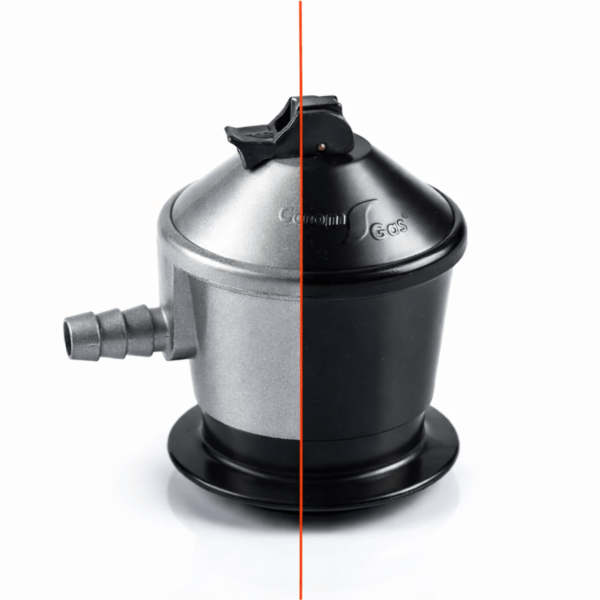
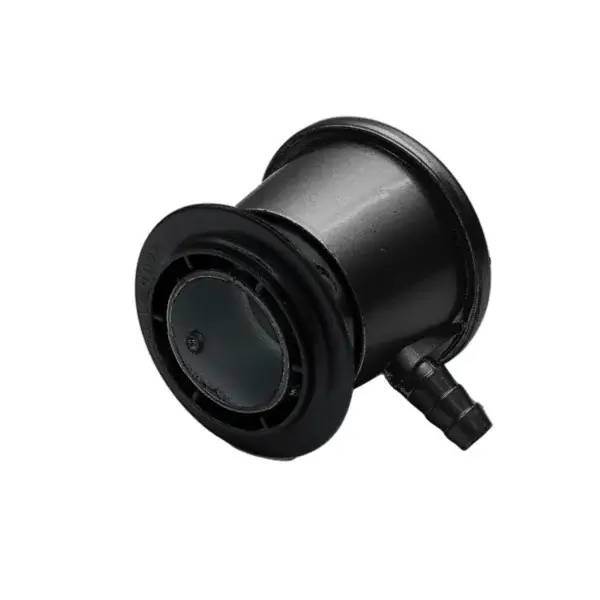

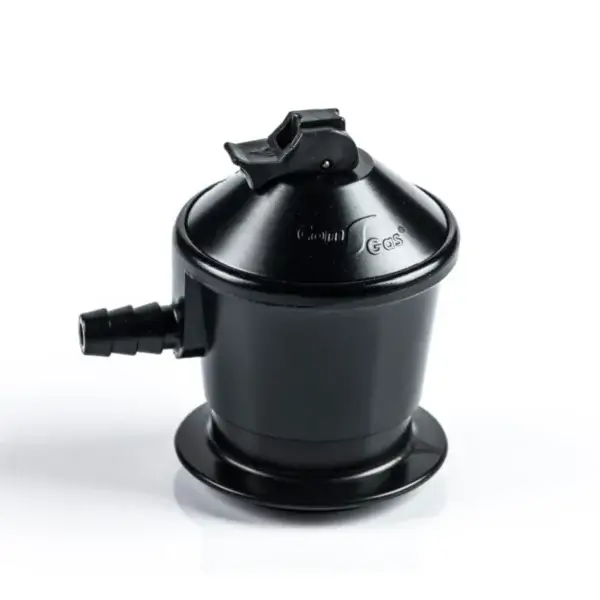
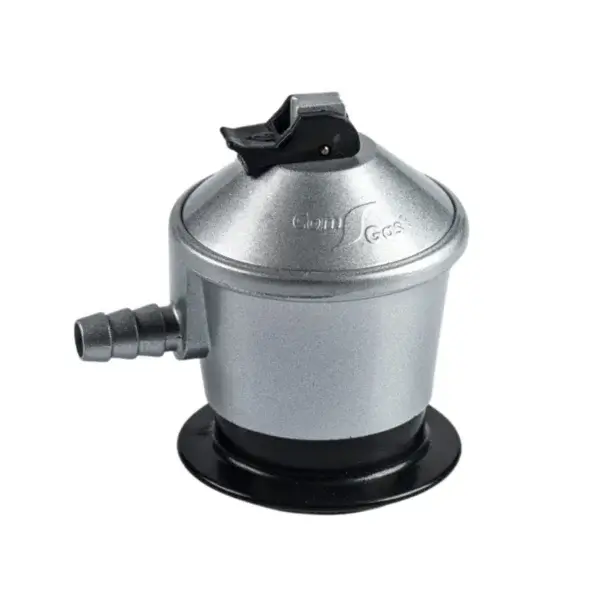
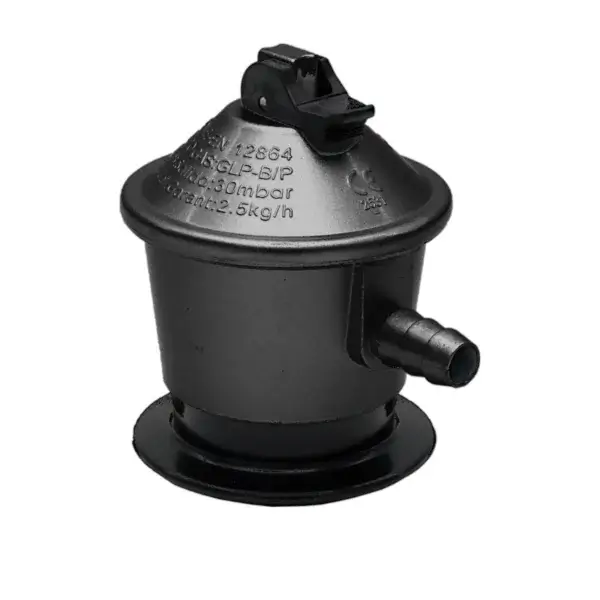

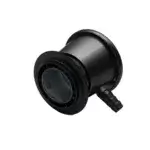

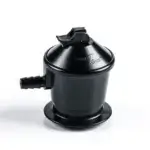
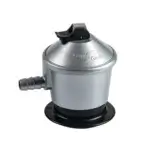
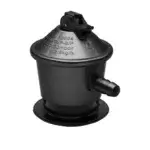


30 mbar gas regulators are available in two variants: standard model and safety model. Both work with a nominal pressure of 30 mbar, offer a guaranteed flow rate of 2.5 kg/h and are designed for LPG – B/P gas. The main difference is that the safety version adds an automatic cut-off system in case of anomalies in the installation.
Technical configuration of the product
This sheet groups together two regulators designed for replacement or replacement in compatible installations. Both the standard and safety versions share the same technical basis: nominal pressure of 30 mbar, guaranteed flow rate of 2.5 kg/h, LPG – B/P gas type, supply pressure from 0.6 to 16 bar and shut-off pressure of 63 mbar.
In both cases, the inlet connection is G-56 according to UNE-EN 12864 and the outlet connection is H-51 according to UNE-EN 12864. This makes it possible to identify the type of regulator more precisely and to check compatibility before replacing it.
🧩 Compatibility and connection type

Both regulators are designed for LPG – B/P gas installations within the usual domestic environment. The regulators are prepared for connection to cylinders in Spain and Portugal, with a G-56 connection and H-51 outlet connection, both under UNE-EN 12864 standard, so it is advisable to check this data before making any replacement.
In Spain, this type of regulator is common because the domestic market has habitually used quick coupling systems and standardised solutions to facilitate the replacement of the regulator in compatible cylinders and installations. For this reason, in addition to the nominal pressure, it is important to check the connection reference and not to be guided only by the external appearance of the regulator.
🔌 How to make the connection

Before connecting the regulator, check that the installation works with LPG – B/P gas, that the required pressure is 30 mbar and that the connections of the regulator match those of the equipment or installation.
- Place the cylinder vertically and in a ventilated area. There must be no flames, sparks or heat sources nearby.
- Check that the gas passage of the machine is closed. The appliance must be switched off before handling the regulator.
- Check the general condition of the regulator, valve and pipe. There must be no bumps, deformations, cracks or visible wear in the connection area.
- Check connections. This regulator uses G-56 inlet and H-51 outlet according to UNE-EN 12864, so the installation must match these specifications.
- Place the regulator correctly on the connection point. It must sit straight and without forcing it into place.
- Once in place, push the black ring downwards. Until you hear a “Click”, this confirms that it is secure.
- Fix the regulator and check that it is securely attached. Once attached, try to move the bottle from the regulator if the regulator does not come off.
- Open the gas supply in a controlled manner. Only do this when the regulator is correctly positioned.
- Check the operation of the appliance or installation. If you detect the smell of gas or any anomaly, immediately close the gas supply and do not use the appliance until you check the installation.
📊 Comparison between variations
| Variation | Nominal pressure | Guaranteed flow rate | Gas type | Supply pressure | Shut-off pressure | Inlet | Outlet | Main difference |
|---|---|---|---|---|---|---|---|---|
| Standard regulator | 30 mbar | 2,5 kg/h | LPG – B/P | 0,6-16 bar | 63 mbar | G-56 (UNE-EN 12864) | H-51 (UNE-EN 12864) | Direct refill |
| Safety regulator | 30 mbar | 2,5 kg/h | LPG – B/P | 0,6-16 bar | 63 mbar | G-56 (UNE-EN 12864) | H-51 (UNE-EN 12864) | Automatic safety cut-off |