
Dough Scraper – Gozney

14,99 € (VAT inc.)

✅ Gozney dough scraper, designed for working with pizza dough, bread dough and other homemade doughs.

✅ Flexible yet firm, it makes it easy to transfer the dough from the bowl to the work surface.

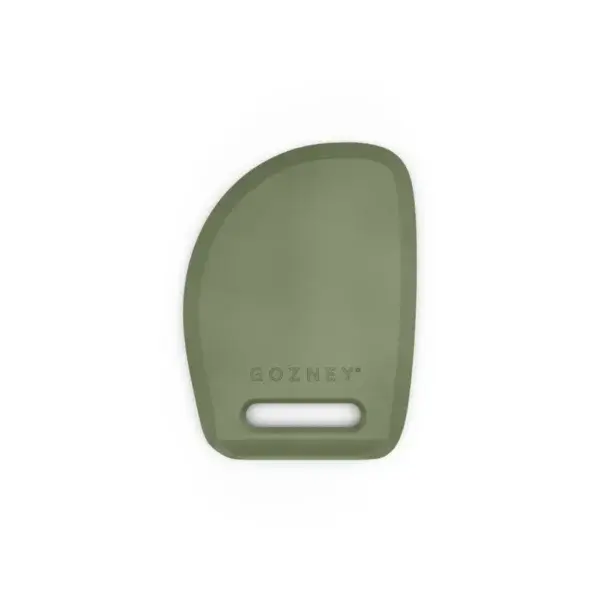
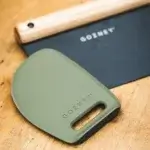
✅ Green silicone exterior with a stainless steel inner insert.

✅ Handy for lifting and turning out the dough, particularly during proving and shaping.

✅ Compact and easy to use, designed for those who frequently make their own dough.

✅ Easy to clean after each kneading session.

Out of stock

SKU: AD1340 Categories: , ,
Métodos de pago

The Gozney Dough Scraper is designed for those who enjoy making their own dough and are looking for a simple tool to assist with the manual work involved in the various stages of preparation.

From pizza dough to bread-making, the Gozney Dough Scraper provides a practical way to handle the dough when it’s time to remove it from the bowl, transfer it to the work surface or continue with shaping.

From the bowl to the work surface
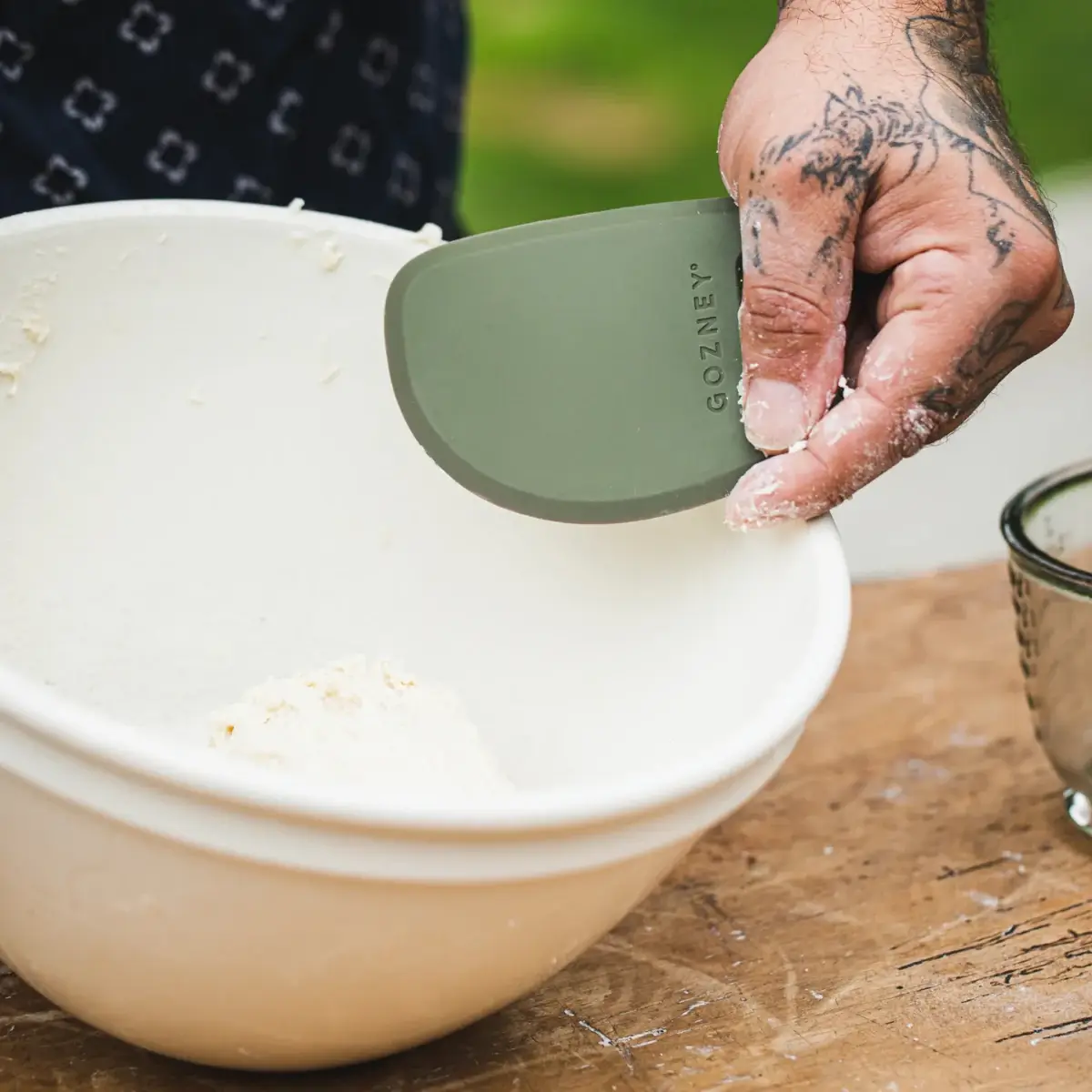
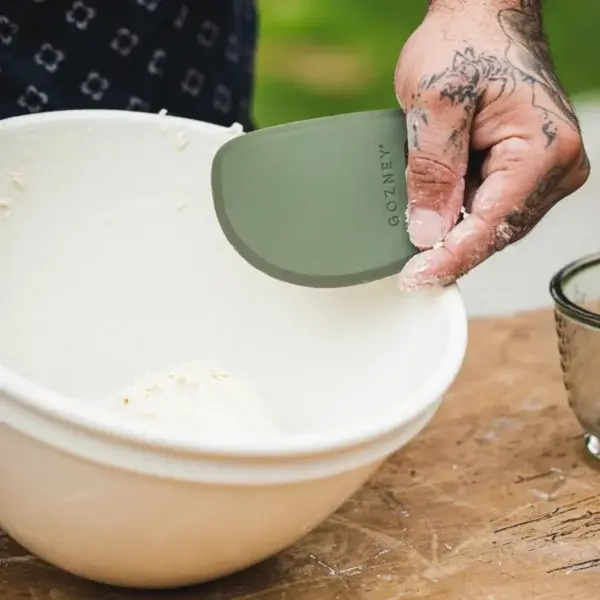
Raspador de masa Gozney utilizado junto a un bol con masa y harina

Gozney presents the Dough Scraper as a tool to guide the dough from the bowl to the work surface. It is precisely during this transfer that a specialised scraper proves particularly useful.

It allows you to work directly with the dough as you remove it and continue working on the worktop, without having to change tools between the two stages.

For those who frequently make their own dough, it fits naturally into the process of kneading, proving and shaping.

Loosening the dough

In his official ciabatta recipe, Gozney uses a dough scraper to gently release the dough from the bowl before continuing with the folding. This is a particularly clear example of the function of this type of utensil.

The aim here is not to cut the dough, but to help separate it from the bowl and prepare it for transfer to the next stage. A small step, but a very common one when working with fermented dough.

Helping to tip out the dough

The technique appears again in Gozney’s ciabatta recipe: after dusting the work surface with flour, the rounded end of the scraper is used to help tip the dough in one piece onto the work surface.

This technique is designed to guide the dough’s movement as it is transferred from the bowl to the work surface, before proceeding with the shaping or dividing required by the recipe.

Flexible yet firm
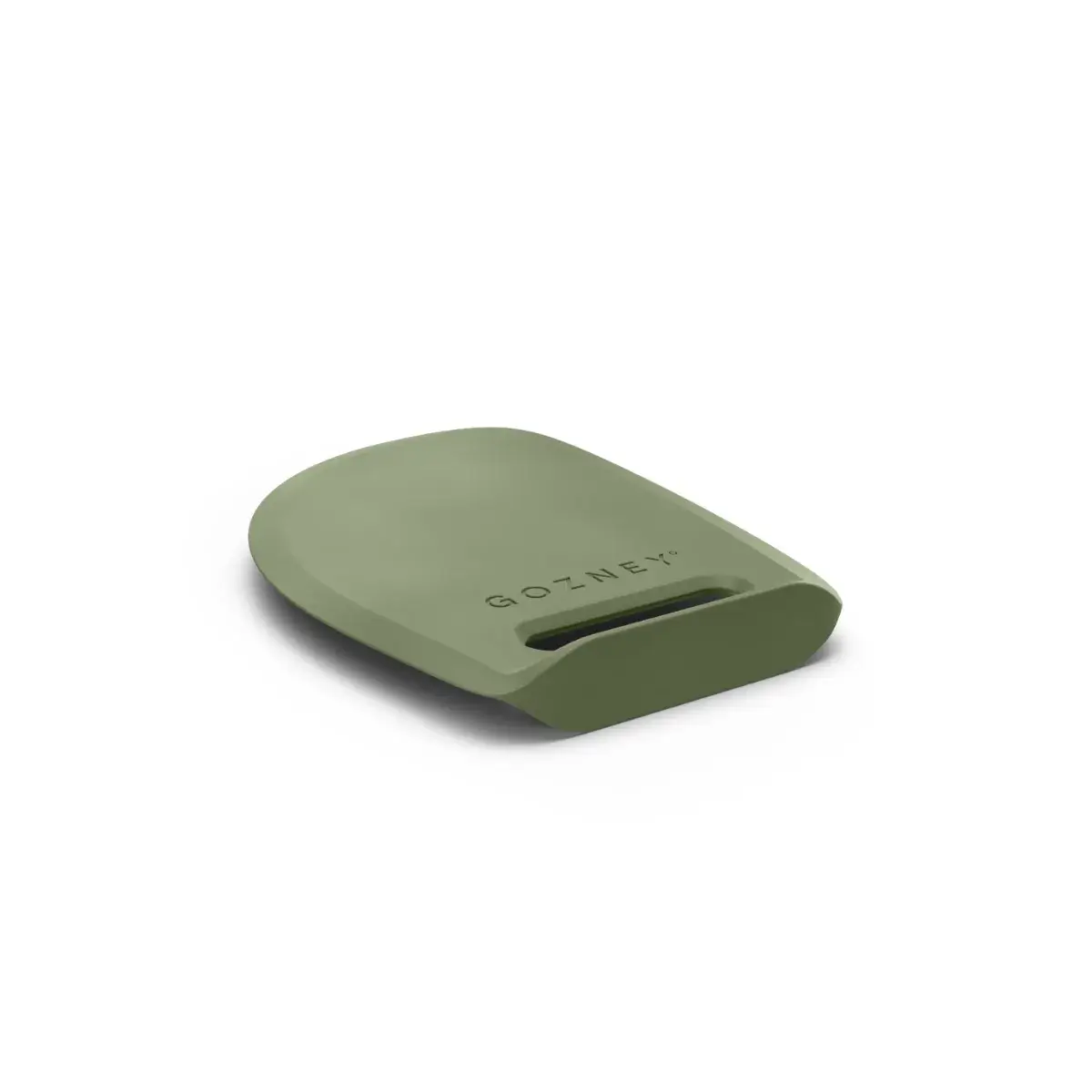
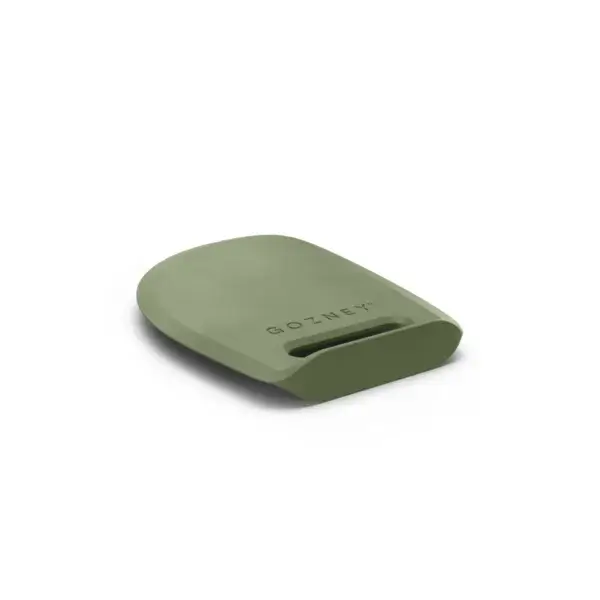
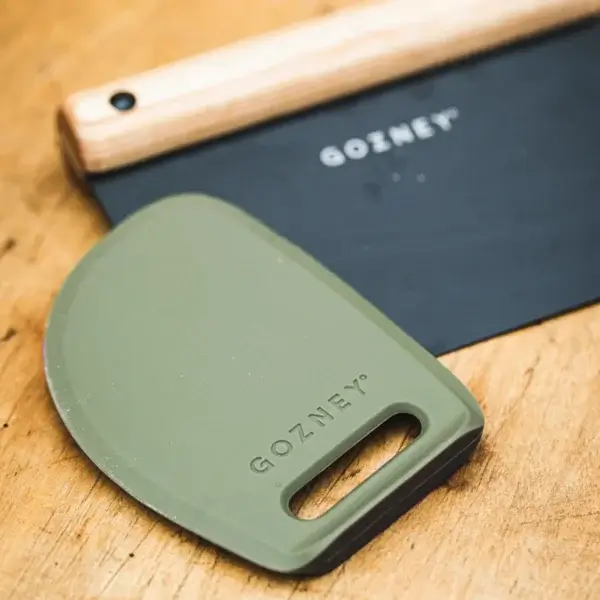
Raspador de masa Gozney verde en vista angulada

Gozney describes its Dough Scraper as flexible yet firm. This combination is designed to provide the necessary tension whilst handling the dough.

The flexibility allows the utensil to complement manual work, whilst its structure maintains the firmness needed to move and handle the dough.

The result is a specialised utensil for a very specific task: helping you to have more control when working with the dough outside the bowl.

Silicone exterior with stainless steel core
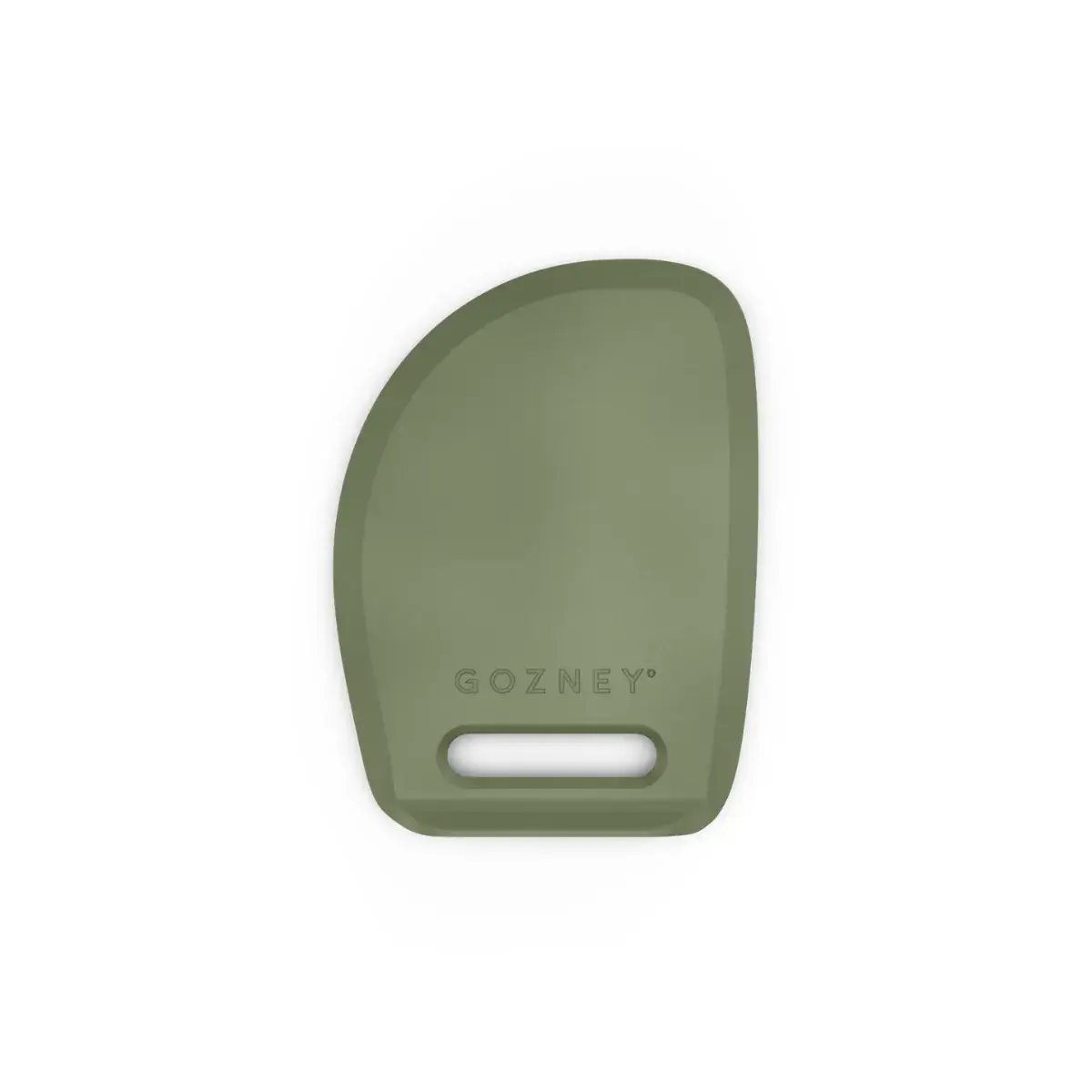
Raspador de masa Gozney con exterior de silicona verde

The construction combines a green silicone exterior with a stainless steel inner insert – two features confirmed directly by Gozney.

It is this structure that allows the scraper’s flexible behaviour to be combined with the firmness the brand seeks for working with dough, all in a single piece.

With no mechanisms or additional parts, the design focuses its function on a compact tool intended for working with dough by hand.

Easy to clean

Gozney specifically points out that the Dough Scraper is easy to clean, a practical feature for a utensil that comes into direct contact with the dough during preparation.
Use and maintenance

First use

  1. Visually check that the silicone surface and the body of the scraper show no signs of damage before use.
  2. Clean it before it comes into contact with the dough and dry it completely.
  3. Familiarise yourself with its combination of flexibility and firmness: it is designed to help guide the dough between the bowl and the work surface.

During use

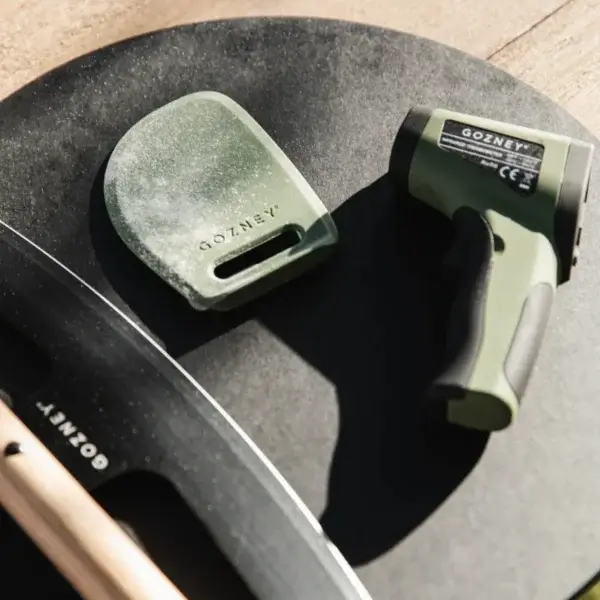
Using the Gozney Dough Scraper with dough and flour
  1. Slide the edge of the scraper between the dough and the bowl when you need to help release it.
  2. Guide the dough with controlled movements rather than pulling it sharply with your hands.
  3. Use it to make it easier to transfer the dough from the bowl to the work surface and continue handling it on the worktop.
  4. When required by a recipe, the rounded edge can help release and turn out proofed dough.

After each use

  1. Remove any dough residue before it dries and sticks to the scraper.
  2. Pay particular attention to the edges and any areas where flour or dough residue may remain.
  3. Clean it and allow it to dry completely before storing.

Cleaning

Gozney states that the Dough Scraper is easy to clean, although the official information reviewed does not specify a particular washing procedure.

As a conservative approach, it can be cleaned by hand using water, a mild detergent suitable for kitchen utensils and a non-abrasive sponge or cloth, then rinsed thoroughly to remove any residue.

It is not stated here that the scraper is dishwasher safe, as this compatibility is not confirmed in the official documentation reviewed.

Maintenance

  • Periodically inspect the silicone surface and stop using the utensil if you notice any deterioration that could affect food contact.
  • Avoid abrasive scourers or metal tools during cleaning to prevent unnecessary damage to the outer surface.
  • Do not deliberately force or bend the scraper beyond the flexibility required for working with dough.

Storage

  • Store it clean and completely dry.
  • Avoid storing it beneath heavy objects that could keep it deformed.
  • Keep it with your other dough-preparation utensils, protected from dirt and ready for the next use.
  • Construction
    • Exterior
      • Material: silicone
      • Colour: green
    • Interior
      • Insert: stainless steel
    • Performance
      • Flexible and firm
  • Dimensions
    • Width
      • 120.7 mm
    • Depth
      • 85.7 mm

Ciabatta: a perfect dough to make the most of the scraper

Ciabatta is a great recipe for showing the usefulness of the Gozney Dough Scraper at different stages of the process. Its dough needs to be handled carefully when removing it from the container, transferring it to the work surface and preparing it for shaping.

This preparation is based on a ciabatta recipe by Richard Bertinet for Gozney, in which the use of a dough scraper is expressly part of the technique.

Ingredients for the biga

  • 350 g of ciabatta flour, or a mix of 00 flour and bread flour.
  • 180 g of water.
  • 2 g of fresh yeast.

Ingredients for the dough

  • All of the biga prepared earlier.
  • 450 g of ciabatta flour, or a mix of 00 flour and bread flour.
  • 360 g of water.
  • 10 g of fresh yeast.
  • 50 g of olive oil.
  • 15 g of sea salt.
  • A little olive oil for greasing.
  • White flour or cornflour for dusting.
  • Fine semolina for the peel.

Preparation

  1. Prepare the biga. Mix the yeast with the water, add the flour and knead briefly by hand. Place the mixture in a bowl, cover it without sealing it completely and leave it to ferment at room temperature for 18 to 24 hours.
  2. Prepare the dough. Mix the water with the biga, the flour and the yeast. Once the ingredients are combined, add the olive oil and continue working the dough. Then add the salt and keep kneading until you achieve a flexible, elastic texture.
  3. Work the dough on the table. Transfer it to the work surface and use the scraper to help you handle it during this stage.
  4. First rise. Grease a container with olive oil, place the dough inside and lightly oil its surface as well. Cover and leave to ferment for about 45 minutes, until it has risen and developed a light, airy texture.
Using the Gozney Dough Scraper next to a bowl with dough and flour

Release and turn out the dough with the help of the scraper

When it is time to do the folds, use the dough scraper to gently release the dough from the sides and bottom of the container.

After dusting the work surface well with flour, the rounded end of the scraper can help you lift the dough out and turn it onto the table in one piece, avoiding more handling than necessary.

  1. Make the folds. Lift the sides of the dough and fold them underneath one after another. Leave it to rest for about 45 minutes and repeat the process two more times, allowing the resting time between folds.
  2. Prepare the dough for dividing. Generously flour the work surface, turn out the dough using the rounded end of the scraper and dust the top with flour as well. Gently press it with your fingers until it takes on an approximately rectangular shape.
  3. Divide the pieces. Separate the dough into four strips or portions. Leave them to rest, covered, for about 10 minutes before transferring them to the peel.
  4. Preheat the oven. Bring the baking floor temperature to approximately 330 °C.
  5. Bake the ciabattas. Place the pieces on a lightly floured peel, gently stretch them lengthwise and transfer them to the oven. The recipe uses steam at the start of baking.
  6. Monitor the bake. The approximate baking time is 20 to 30 minutes, depending on the size of each piece. Once baked, remove them and leave them to cool before slicing.