










Gas Barbecues Q 2025 – Weber

Price range: 299,00 € through 599,00 € (VAT inc.)

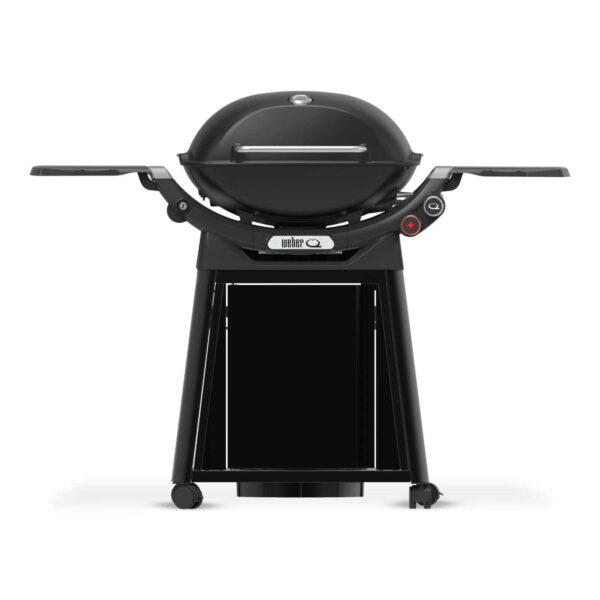
High domed lid for grilling large foods.

Efficient burner: constant and fast heat.

Precise control with front controls.

✅ Compact, lightweight and perfect for small spaces.

Configure it to your liking

Clear selection
SKU: 1501XX-SET Categories: ,
Métodos de pago

The Q 2025 gas barbecue series redefines the outdoor cooking experience with its compact design, adjustable power and configuration options for every lifestyle. Whether for a small terrace, a large garden or a motorhome trip, this line offers customisable options that combine functionality and style. With eight variations, from portable models to premium cart versions, Q 2025 Gas Barbecues are the perfect choice for families, couples and outdoor cooking enthusiasts.

Designed for Small Spaces

The Q 2025 series is designed with space optimisation in mind. Thanks to their compact and lightweight construction, these barbecues are ideal for small balconies, terraces and even caravans. Despite their small size, they offer a remarkable cooking capacity, allowing up to 12 hamburgers to be prepared at the same time (depending on the model).

The portable design does not sacrifice functionality: reinforced handles make them easy to carry, and models such as the Q 1100N and Q 1200N stand out for their light weight, making them easy to move and store. This feature is perfect for those who have limited outdoor space or want to take their barbecue with them on getaways.

High-Rise Domed Lid: Versatile Cooking

One of the hallmarks of the Q 2025 barbecues is its high domed lid, designed to handle a wide variety of foods, from large meats to vegetables. Its structure allows whole pieces such as chicken or ribs to be cooked without a problem, optimising heat distribution and ensuring even cooking.

With up to 37% more volume under the lid than previous models (depending on the model), these barbecues allow you to grill, roast and slow cook with perfect results every time. Whether you are a lover of tender ribs or well-marked cuts of meat, these barbecues guarantee professional quality in every preparation.

Unrivalled Power and Performance

The Q 2025 series meets the needs of all users with power options ranging from 2.94 kWh on compact models to 6.36 kWh on dual burner versions such as the Q 3200+. Equipped with high-efficiency burners, these barbecues not only heat up quickly, but maintain a constant temperature for perfect cooking.

This power range is ideal for different types of cooking:

  • High power for searing meats for crispy on the outside and juicy on the inside.
  • Low power for slow cooking for tender and tasty roasts.

In addition, the front temperature knobs are designed to offer precise control, allowing you to easily adjust the heat according to the recipe.

Simplified Cooking Control

With integrated lid thermometers and ergonomic control knobs, Q 2025 barbecues make any preparation a simple and comfortable experience. Each model allows precise temperature display and adjustment, helping beginners and experienced cooks alike to achieve spectacular results.

In addition, all models are compatible with the Weber Connect Smart Grilling Hub (sold separately), a smart system that monitors cooking and sends alerts to your mobile phone. So you can enjoy the company of your guests while letting the barbecue do the hard work.

Simplified Cleaning and Maintenance

One of the most outstanding features of the Q 2025 series is its easy maintenance. All barbecues include a front access for grease trays, making it easy to clean after cooking. This system not only saves time, but also keeps the barbecue in perfect condition with little effort.

The cooking grids, made of vitrified cast iron, distribute the heat evenly and are dishwasher safe, which makes them even easier to care for. These features make the Q 2025 barbecues practical and functional tools for every user.

Premium Configuration and Support Options

The Q 2025 series is distinguished by its flexibility in configurations, offering solutions for both those who value portability and those who prefer complete and functional cooking stations.

The compact stand models are ideal for small spaces. This stand raises the barbecue to an ergonomic height, making it easy to use and providing stability without sacrificing its lightweight and portable design. It also features a lower shelf, perfect for storing utensils or small gas bottles. This is especially useful for users who are looking for an easy to transport and store solution, such as those who live in flats or enjoy motorhome getaways.

Premium trolleys, on the other hand, transform Q barbecues into real cooking stations. Designed for those with larger patios or gardens, they include swivel wheels that allow the barbecue to be moved effortlessly, as well as brakes that ensure stability during cooking. These trolleys stand out not only for their ample storage space, ideal for gas bottles, tools and utensils, but also for their intuitive organisation, thanks to utensil hooks and sturdy side panels.

With these options, the Q 2025 series offers configurations to suit any environment, combining portability and advanced functionality to meet the needs of all users.

Extended Worktop and Cooking Space

One of the most valued features of the Q 2025 Series barbecues is the incorporation of removable side tables, which provide a practical and versatile solution for outdoor cooking. These tables provide extra surface area for preparing food, holding utensils or serving dishes directly from the barbecue.

The best thing about these tables is their detachable and functional design: when not in use, they store conveniently inside the barbecue base, protecting them and saving space. This feature is perfect for those who value organisation and ease of transport.

In terms of cooking space, this series features an optimised design that expands the capacity compared to previous models. The most advanced models, such as the Q 3200+, offer a cooking surface of up to 2535 cm², making it possible to prepare food for groups of up to 12 people comfortably. Even heat distribution is ensured thanks to the vitrified cast iron grids and heat deflectors included in some models.

With these features, the Q 2025 series not only becomes an ideal tool for large family gatherings or outdoor parties, but also guarantees exceptional results in every preparation.

Mobility and Functionality for Adventurers

Portability is one of the strengths of the Q 2025 series barbecues, making them the perfect companion for nature lovers and outdoor enthusiasts. Their compact and lightweight design, combined with reinforced side handles, makes them easy to transport anywhere, whether it’s a motorhome getaway, a day out camping or a picnic in the park.

In addition, these models are designed to run on small gas cylinders, eliminating the need to carry large, heavy tanks, making the experience much more convenient. For those who need a more versatile solution, some models are also adaptable to larger capacity cylinders with specific connection kits.

Ignition is another advantage, as thanks to their piezoelectric or electronic systems (depending on the model), the barbecues are ready to use in a matter of seconds. This, combined with high-efficiency burners and three-way vents, ensures even heat distribution even in windy conditions, which is crucial for open outdoor cooking.

Although compact, these barbecues do not sacrifice power or performance. On the contrary, they guarantee professional quality results in any location, allowing you to enjoy delicious meals no matter where you are cooking.

Complete Comparison of Weber Q 2025 Models

Model Grill Dimensions Burners Power (kWh) Volume Under the Lid Ignition Stand or Trolley Compatible Gas Bottle
Q 1100N 46 x 36 cm (+6% compared to Q 1000) 1 2,94 kW (+18% compared to Q 1000) +32% compared to Q 1000 Piezoelectric No Weber cylinder (ref. 17846)
Q 1200N 46 x 36 cm (+6% compared to Q 1200) 1 2,94 kW (+18% compared to Q 1200) +32% compared to Q 1200 Electronic No Weber cylinder (ref. 17846)
Q 1200N with stand 46 x 36 cm (+6% compared to Q 1200) 1 2.94 kW (+18% compared to Q 1200) +32% compared to Q 1200 Electronic Compact Support Weber cylinder (ref. 17846)
Q 2100N 57 x 41 cm (+14% compared to Q 2000) 1 4.11 kW (+17% compared to Q 2000) +27% compared to Q 2000 Piezoelectric No Weber cylinder (ref. 17846)
Q 2200N with stand 57 x 41 cm (+14% compared to Q 2200) 1 4,11 kW (+17% compared to Q 2200) +27% compared to Q 2200 Electronic Compact Support Weber Cylinder (ref. 17846)
Q 2200N with Trolley 57 x 41 cm(+14% compared to Q 2200) 1 4,11 kW (+17% over Q 2200) +27% compared to Q 2200 Electronic Premium Trolley Butane or Propane Bottle
Q 2800N+ with Trolley 57 x 41 cm 2 5,25 kW Electronic Premium Trolley Butane or Propane Bottle
Q 3200+ with Trolley 61 x 46 cm 2 6,36 kW Electronic Premium Trolley Butane or Propane Bottle

Compatible Gas Bottle

All models in the Weber Q 2025 series are compatible with the Weber® gas bottle (ref. 17846), ideal for portability and use in small spaces. In addition, these models are adaptable to standard butane gas cylinders using the Weber® connection kit (ref. 8449), which increases their versatility for different usage environments.
Step-by-Step Maintenance and Use of Q 2025 Barbecues

To ensure that your Q 2025 gas barbecue works optimally and retains its appearance and performance over time, it is important to follow proper maintenance and use guidelines. Here is a simple step-by-step guide to help you get the most out of your barbecue and keep it in perfect condition.

Before First Use

  1. Assembly
    • If your barbecue includes a stand or trolley, ensure that you assemble it correctly following the manufacturer's instructions. Check that all parts are tight and in place to prevent movement during use.
    • Initial Cleaning
    • Before using it for the first time, clean the cooking grates with a damp cloth or soft brush to remove any manufacturing residue.
    • Light the barbecue without food for 15 minutes at maximum temperature to burn off any manufacturing residues.

Daily Use

  1. Gas Connection
    • Ensure that the gas cylinder valve is closed before connecting the hose. Check that the connections are tight to prevent leaks.
    • Only use cylinders recommended for your model (small for portability or large with adapters on compatible models).
  2. Ignition
    • Turn the front knob to the ignition position and press the piezoelectric or electronic button, depending on the model. The burner should ignite instantly; if it does not, turn off the gas and wait a minute before trying again.
    • Before placing food on the grill, preheat the barbecue for 10-15 minutes to reach the ideal temperature. Use the built-in thermometer to check the internal temperature.
  3. Cooking
    • Adjust the temperature knobs according to the recipe. The Q 2025 series models allow for precise control, making it easy to cook at high temperatures to sear meat or at low temperatures for long roasts. Avoid opening the lid constantly; keep the heat inside to ensure even cooking.
  4. Finishing up
    • Turn off the burner by turning the front knob to the off position. Close the gas cylinder valve immediately afterwards.

Cleaning and Maintenance After Use

  1. Cooking Grates
    • When the grates are warm, brush them with a stainless steel brush to remove food residue. If they are very dirty, remove them and wash them with warm water, soap and a soft cloth. The vitrified cast iron grates are dishwasher safe on some models, which makes cleaning easier.
  2. Grease Tray
    • Remove the front grease tray and empty it into a container. Wash it with water and detergent before putting it back in place. Keeping this tray clean reduces the risk of fire and extends the life of your barbecue.
  3. Barbecue Exterior
    • Clean the lid and sides with a damp cloth and mild cleaner. Avoid abrasive products that could damage the finish.
  4. Burners
    • Inspect the burners regularly to ensure they are not blocked by grease or debris. If necessary, clean them with a soft brush and warm water.

Periodic Maintenance

  1. Checking Gas Connections
    • At least once a month, check that the hose and gas valve connections are secure. Use a mixture of soap and water to detect possible leaks; if you see bubbles, tighten the connections and repeat the process.
  2. Complete Barbecue Cleaning
    • Every 3-4 months, remove the main parts (grates, grease tray and burners) for a thorough cleaning. This ensures that all components are working properly and extends the life of the equipment.
  3. Weather Protection
    • Use a cover specifically designed for your Q 2025 series model when not in use. This will prevent damage from rain, dust or sun exposure, especially if the barbecue is outdoors.
  4. Component Inspection
    • Each season, check the grates, knobs and burners to ensure there are no worn parts. Replace any damaged components with official Weber spare parts.

Step-by-Step Maintenance and Use of Q 2025 Barbecues

To ensure that your Q 2025 gas barbecue works optimally and retains its appearance and performance over time, it is important to follow proper maintenance and use guidelines. Here is a simple step-by-step guide to help you get the most out of your barbecue and keep it in perfect condition.

Before First Use

  1. Assembly
    • If your barbecue includes a stand or trolley, ensure that you assemble it correctly following the manufacturer's instructions. Check that all parts are tight and in place to prevent movement during use.
    • Initial Cleaning
    • Before using it for the first time, clean the cooking grates with a damp cloth or soft brush to remove any manufacturing residue.
    • Light the barbecue without food for 15 minutes at maximum temperature to burn off any manufacturing residues.

Daily Use

  1. Gas Connection
    • Ensure that the gas cylinder valve is closed before connecting the hose. Check that the connections are tight to prevent leaks.
    • Only use cylinders recommended for your model (small for portability or large with adapters on compatible models).
  2. Ignition
    • Turn the front knob to the ignition position and press the piezoelectric or electronic button, depending on the model. The burner should ignite instantly; if it does not, turn off the gas and wait a minute before trying again.
    • Before placing food on the grill, preheat the barbecue for 10-15 minutes to reach the ideal temperature. Use the built-in thermometer to check the internal temperature.
  3. Cooking
    • Adjust the temperature knobs according to the recipe. The Q 2025 series models allow for precise control, making it easy to cook at high temperatures to sear meat or at low temperatures for long roasts. Avoid opening the lid constantly; keep the heat inside to ensure even cooking.
  4. Finishing up
    • Turn off the burner by turning the front knob to the off position. Close the gas cylinder valve immediately afterwards.

Cleaning and Maintenance After Use

  1. Cooking Grates
    • When the grates are warm, brush them with a stainless steel brush to remove food residue. If they are very dirty, remove them and wash them with warm water, soap and a soft cloth. The vitrified cast iron grates are dishwasher safe on some models, which makes cleaning easier.
  2. Grease Tray
    • Remove the front grease tray and empty it into a container. Wash it with water and detergent before putting it back in place. Keeping this tray clean reduces the risk of fire and extends the life of your barbecue.
  3. Barbecue Exterior
    • Clean the lid and sides with a damp cloth and mild cleaner. Avoid abrasive products that could damage the finish.
  4. Burners
    • Inspect the burners regularly to ensure they are not blocked by grease or debris. If necessary, clean them with a soft brush and warm water.

Periodic Maintenance

  1. Checking Gas Connections
    • At least once a month, check that the hose and gas valve connections are secure. Use a mixture of soap and water to detect possible leaks; if you see bubbles, tighten the connections and repeat the process.
  2. Complete Barbecue Cleaning
    • Every 3-4 months, remove the main parts (grates, grease tray and burners) for a thorough cleaning. This ensures that all components are working properly and extends the life of the equipment.
  3. Weather Protection
    • Use a cover specifically designed for your Q 2025 series model when not in use. This will prevent damage from rain, dust or sun exposure, especially if the barbecue is outdoors.
  4. Component Inspection
    • Each season, check the grates, knobs and burners to ensure there are no worn parts. Replace any damaged components with official Weber spare parts.

Step-by-Step Maintenance and Use of Q 2025 Barbecues

To ensure that your Q 2025 gas barbecue works optimally and retains its appearance and performance over time, it is important to follow proper maintenance and use guidelines. Here is a simple step-by-step guide to help you get the most out of your barbecue and keep it in perfect condition.

Before First Use

  1. Assembly
    • If your barbecue includes a stand or trolley, ensure that you assemble it correctly following the manufacturer's instructions. Check that all parts are tight and in place to prevent movement during use.
    • Initial Cleaning
    • Before using it for the first time, clean the cooking grates with a damp cloth or soft brush to remove any manufacturing residue.
    • Light the barbecue without food for 15 minutes at maximum temperature to burn off any manufacturing residues.

Daily Use

  1. Gas Connection
    • Ensure that the gas cylinder valve is closed before connecting the hose. Check that the connections are tight to prevent leaks.
    • Only use cylinders recommended for your model (small for portability or large with adapters on compatible models).
  2. Ignition
    • Turn the front knob to the ignition position and press the piezoelectric or electronic button, depending on the model. The burner should ignite instantly; if it does not, turn off the gas and wait a minute before trying again.
    • Before placing food on the grill, preheat the barbecue for 10-15 minutes to reach the ideal temperature. Use the built-in thermometer to check the internal temperature.
  3. Cooking
    • Adjust the temperature knobs according to the recipe. The Q 2025 series models allow for precise control, making it easy to cook at high temperatures to sear meat or at low temperatures for long roasts. Avoid opening the lid constantly; keep the heat inside to ensure even cooking.
  4. Finishing up
    • Turn off the burner by turning the front knob to the off position. Close the gas cylinder valve immediately afterwards.

Cleaning and Maintenance After Use

  1. Cooking Grates
    • When the grates are warm, brush them with a stainless steel brush to remove food residue. If they are very dirty, remove them and wash them with warm water, soap and a soft cloth. The vitrified cast iron grates are dishwasher safe on some models, which makes cleaning easier.
  2. Grease Tray
    • Remove the front grease tray and empty it into a container. Wash it with water and detergent before putting it back in place. Keeping this tray clean reduces the risk of fire and extends the life of your barbecue.
  3. Barbecue Exterior
    • Clean the lid and sides with a damp cloth and mild cleaner. Avoid abrasive products that could damage the finish.
  4. Burners
    • Inspect the burners regularly to ensure they are not blocked by grease or debris. If necessary, clean them with a soft brush and warm water.

Periodic Maintenance

  1. Checking Gas Connections
    • At least once a month, check that the hose and gas valve connections are secure. Use a mixture of soap and water to detect possible leaks; if you see bubbles, tighten the connections and repeat the process.
  2. Complete Barbecue Cleaning
    • Every 3-4 months, remove the main parts (grates, grease tray and burners) for a thorough cleaning. This ensures that all components are working properly and extends the life of the equipment.
  3. Weather Protection
    • Use a cover specifically designed for your Q 2025 series model when not in use. This will prevent damage from rain, dust or sun exposure, especially if the barbecue is outdoors.
  4. Component Inspection
    • Each season, check the grates, knobs and burners to ensure there are no worn parts. Replace any damaged components with official Weber spare parts.

Step-by-Step Maintenance and Use of Q 2025 Barbecues

To ensure that your Q 2025 gas barbecue works optimally and retains its appearance and performance over time, it is important to follow proper maintenance and use guidelines. Here is a simple step-by-step guide to help you get the most out of your barbecue and keep it in perfect condition.

Before First Use

  1. Assembly
    • If your barbecue includes a stand or trolley, ensure that you assemble it correctly following the manufacturer's instructions. Check that all parts are tight and in place to prevent movement during use.
    • Initial Cleaning
    • Before using it for the first time, clean the cooking grates with a damp cloth or soft brush to remove any manufacturing residue.
    • Light the barbecue without food for 15 minutes at maximum temperature to burn off any manufacturing residues.

Daily Use

  1. Gas Connection
    • Ensure that the gas cylinder valve is closed before connecting the hose. Check that the connections are tight to prevent leaks.
    • Only use cylinders recommended for your model (small for portability or large with adapters on compatible models).
  2. Ignition
    • Turn the front knob to the ignition position and press the piezoelectric or electronic button, depending on the model. The burner should ignite instantly; if it does not, turn off the gas and wait a minute before trying again.
    • Before placing food on the grill, preheat the barbecue for 10-15 minutes to reach the ideal temperature. Use the built-in thermometer to check the internal temperature.
  3. Cooking
    • Adjust the temperature knobs according to the recipe. The Q 2025 series models allow for precise control, making it easy to cook at high temperatures to sear meat or at low temperatures for long roasts. Avoid opening the lid constantly; keep the heat inside to ensure even cooking.
  4. Finishing up
    • Turn off the burner by turning the front knob to the off position. Close the gas cylinder valve immediately afterwards.

Cleaning and Maintenance After Use

  1. Cooking Grates
    • When the grates are warm, brush them with a stainless steel brush to remove food residue. If they are very dirty, remove them and wash them with warm water, soap and a soft cloth. The vitrified cast iron grates are dishwasher safe on some models, which makes cleaning easier.
  2. Grease Tray
    • Remove the front grease tray and empty it into a container. Wash it with water and detergent before putting it back in place. Keeping this tray clean reduces the risk of fire and extends the life of your barbecue.
  3. Barbecue Exterior
    • Clean the lid and sides with a damp cloth and mild cleaner. Avoid abrasive products that could damage the finish.
  4. Burners
    • Inspect the burners regularly to ensure they are not blocked by grease or debris. If necessary, clean them with a soft brush and warm water.

Periodic Maintenance

  1. Checking Gas Connections
    • At least once a month, check that the hose and gas valve connections are secure. Use a mixture of soap and water to detect possible leaks; if you see bubbles, tighten the connections and repeat the process.
  2. Complete Barbecue Cleaning
    • Every 3-4 months, remove the main parts (grates, grease tray and burners) for a thorough cleaning. This ensures that all components are working properly and extends the life of the equipment.
  3. Weather Protection
    • Use a cover specifically designed for your Q 2025 series model when not in use. This will prevent damage from rain, dust or sun exposure, especially if the barbecue is outdoors.
  4. Component Inspection
    • Each season, check the grates, knobs and burners to ensure there are no worn parts. Replace any damaged components with official Weber spare parts.

Step-by-Step Maintenance and Use of Q 2025 Barbecues

To ensure that your Q 2025 gas barbecue works optimally and retains its appearance and performance over time, it is important to follow proper maintenance and use guidelines. Here is a simple step-by-step guide to help you get the most out of your barbecue and keep it in perfect condition.

Before First Use

  1. Assembly
    • If your barbecue includes a stand or trolley, ensure that you assemble it correctly following the manufacturer's instructions. Check that all parts are tight and in place to prevent movement during use.
    • Initial Cleaning
    • Before using it for the first time, clean the cooking grates with a damp cloth or soft brush to remove any manufacturing residue.
    • Light the barbecue without food for 15 minutes at maximum temperature to burn off any manufacturing residues.

Daily Use

  1. Gas Connection
    • Ensure that the gas cylinder valve is closed before connecting the hose. Check that the connections are tight to prevent leaks.
    • Only use cylinders recommended for your model (small for portability or large with adapters on compatible models).
  2. Ignition
    • Turn the front knob to the ignition position and press the piezoelectric or electronic button, depending on the model. The burner should ignite instantly; if it does not, turn off the gas and wait a minute before trying again.
    • Before placing food on the grill, preheat the barbecue for 10-15 minutes to reach the ideal temperature. Use the built-in thermometer to check the internal temperature.
  3. Cooking
    • Adjust the temperature knobs according to the recipe. The Q 2025 series models allow for precise control, making it easy to cook at high temperatures to sear meat or at low temperatures for long roasts. Avoid opening the lid constantly; keep the heat inside to ensure even cooking.
  4. Finishing up
    • Turn off the burner by turning the front knob to the off position. Close the gas cylinder valve immediately afterwards.

Cleaning and Maintenance After Use

  1. Cooking Grates
    • When the grates are warm, brush them with a stainless steel brush to remove food residue. If they are very dirty, remove them and wash them with warm water, soap and a soft cloth. The vitrified cast iron grates are dishwasher safe on some models, which makes cleaning easier.
  2. Grease Tray
    • Remove the front grease tray and empty it into a container. Wash it with water and detergent before putting it back in place. Keeping this tray clean reduces the risk of fire and extends the life of your barbecue.
  3. Barbecue Exterior
    • Clean the lid and sides with a damp cloth and mild cleaner. Avoid abrasive products that could damage the finish.
  4. Burners
    • Inspect the burners regularly to ensure they are not blocked by grease or debris. If necessary, clean them with a soft brush and warm water.

Periodic Maintenance

  1. Checking Gas Connections
    • At least once a month, check that the hose and gas valve connections are secure. Use a mixture of soap and water to detect possible leaks; if you see bubbles, tighten the connections and repeat the process.
  2. Complete Barbecue Cleaning
    • Every 3-4 months, remove the main parts (grates, grease tray and burners) for a thorough cleaning. This ensures that all components are working properly and extends the life of the equipment.
  3. Weather Protection
    • Use a cover specifically designed for your Q 2025 series model when not in use. This will prevent damage from rain, dust or sun exposure, especially if the barbecue is outdoors.
  4. Component Inspection
    • Each season, check the grates, knobs and burners to ensure there are no worn parts. Replace any damaged components with official Weber spare parts.

Step-by-Step Maintenance and Use of Q 2025 Barbecues

To ensure that your Q 2025 gas barbecue works optimally and retains its appearance and performance over time, it is important to follow proper maintenance and use guidelines. Here is a simple step-by-step guide to help you get the most out of your barbecue and keep it in perfect condition.

Before First Use

  1. Assembly
    • If your barbecue includes a stand or trolley, ensure that you assemble it correctly following the manufacturer's instructions. Check that all parts are tight and in place to prevent movement during use.
    • Initial Cleaning
    • Before using it for the first time, clean the cooking grates with a damp cloth or soft brush to remove any manufacturing residue.
    • Light the barbecue without food for 15 minutes at maximum temperature to burn off any manufacturing residues.

Daily Use

  1. Gas Connection
    • Ensure that the gas cylinder valve is closed before connecting the hose. Check that the connections are tight to prevent leaks.
    • Only use cylinders recommended for your model (small for portability or large with adapters on compatible models).
  2. Ignition
    • Turn the front knob to the ignition position and press the piezoelectric or electronic button, depending on the model. The burner should ignite instantly; if it does not, turn off the gas and wait a minute before trying again.
    • Before placing food on the grill, preheat the barbecue for 10-15 minutes to reach the ideal temperature. Use the built-in thermometer to check the internal temperature.
  3. Cooking
    • Adjust the temperature knobs according to the recipe. The Q 2025 series models allow for precise control, making it easy to cook at high temperatures to sear meat or at low temperatures for long roasts. Avoid opening the lid constantly; keep the heat inside to ensure even cooking.
  4. Finishing up
    • Turn off the burner by turning the front knob to the off position. Close the gas cylinder valve immediately afterwards.

Cleaning and Maintenance After Use

  1. Cooking Grates
    • When the grates are warm, brush them with a stainless steel brush to remove food residue. If they are very dirty, remove them and wash them with warm water, soap and a soft cloth. The vitrified cast iron grates are dishwasher safe on some models, which makes cleaning easier.
  2. Grease Tray
    • Remove the front grease tray and empty it into a container. Wash it with water and detergent before putting it back in place. Keeping this tray clean reduces the risk of fire and extends the life of your barbecue.
  3. Barbecue Exterior
    • Clean the lid and sides with a damp cloth and mild cleaner. Avoid abrasive products that could damage the finish.
  4. Burners
    • Inspect the burners regularly to ensure they are not blocked by grease or debris. If necessary, clean them with a soft brush and warm water.

Periodic Maintenance

  1. Checking Gas Connections
    • At least once a month, check that the hose and gas valve connections are secure. Use a mixture of soap and water to detect possible leaks; if you see bubbles, tighten the connections and repeat the process.
  2. Complete Barbecue Cleaning
    • Every 3-4 months, remove the main parts (grates, grease tray and burners) for a thorough cleaning. This ensures that all components are working properly and extends the life of the equipment.
  3. Weather Protection
    • Use a cover specifically designed for your Q 2025 series model when not in use. This will prevent damage from rain, dust or sun exposure, especially if the barbecue is outdoors.
  4. Component Inspection
    • Each season, check the grates, knobs and burners to ensure there are no worn parts. Replace any damaged components with official Weber spare parts.

Step-by-Step Maintenance and Use of Q 2025 Barbecues

To ensure that your Q 2025 gas barbecue works optimally and retains its appearance and performance over time, it is important to follow proper maintenance and use guidelines. Here is a simple step-by-step guide to help you get the most out of your barbecue and keep it in perfect condition.

Before First Use

  1. Assembly
    • If your barbecue includes a stand or trolley, ensure that you assemble it correctly following the manufacturer's instructions. Check that all parts are tight and in place to prevent movement during use.
    • Initial Cleaning
    • Before using it for the first time, clean the cooking grates with a damp cloth or soft brush to remove any manufacturing residue.
    • Light the barbecue without food for 15 minutes at maximum temperature to burn off any manufacturing residues.

Daily Use

  1. Gas Connection
    • Ensure that the gas cylinder valve is closed before connecting the hose. Check that the connections are tight to prevent leaks.
    • Only use cylinders recommended for your model (small for portability or large with adapters on compatible models).
  2. Ignition
    • Turn the front knob to the ignition position and press the piezoelectric or electronic button, depending on the model. The burner should ignite instantly; if it does not, turn off the gas and wait a minute before trying again.
    • Before placing food on the grill, preheat the barbecue for 10-15 minutes to reach the ideal temperature. Use the built-in thermometer to check the internal temperature.
  3. Cooking
    • Adjust the temperature knobs according to the recipe. The Q 2025 series models allow for precise control, making it easy to cook at high temperatures to sear meat or at low temperatures for long roasts. Avoid opening the lid constantly; keep the heat inside to ensure even cooking.
  4. Finishing up
    • Turn off the burner by turning the front knob to the off position. Close the gas cylinder valve immediately afterwards.

Cleaning and Maintenance After Use

  1. Cooking Grates
    • When the grates are warm, brush them with a stainless steel brush to remove food residue. If they are very dirty, remove them and wash them with warm water, soap and a soft cloth. The vitrified cast iron grates are dishwasher safe on some models, which makes cleaning easier.
  2. Grease Tray
    • Remove the front grease tray and empty it into a container. Wash it with water and detergent before putting it back in place. Keeping this tray clean reduces the risk of fire and extends the life of your barbecue.
  3. Barbecue Exterior
    • Clean the lid and sides with a damp cloth and mild cleaner. Avoid abrasive products that could damage the finish.
  4. Burners
    • Inspect the burners regularly to ensure they are not blocked by grease or debris. If necessary, clean them with a soft brush and warm water.

Periodic Maintenance

  1. Checking Gas Connections
    • At least once a month, check that the hose and gas valve connections are secure. Use a mixture of soap and water to detect possible leaks; if you see bubbles, tighten the connections and repeat the process.
  2. Complete Barbecue Cleaning
    • Every 3-4 months, remove the main parts (grates, grease tray and burners) for a thorough cleaning. This ensures that all components are working properly and extends the life of the equipment.
  3. Weather Protection
    • Use a cover specifically designed for your Q 2025 series model when not in use. This will prevent damage from rain, dust or sun exposure, especially if the barbecue is outdoors.
  4. Component Inspection
    • Each season, check the grates, knobs and burners to ensure there are no worn parts. Replace any damaged components with official Weber spare parts.

Step-by-Step Maintenance and Use of Q 2025 Barbecues

To ensure that your Q 2025 gas barbecue works optimally and retains its appearance and performance over time, it is important to follow proper maintenance and use guidelines. Here is a simple step-by-step guide to help you get the most out of your barbecue and keep it in perfect condition.

Before First Use

  1. Assembly
    • If your barbecue includes a stand or trolley, ensure that you assemble it correctly following the manufacturer's instructions. Check that all parts are tight and in place to prevent movement during use.
    • Initial Cleaning
    • Before using it for the first time, clean the cooking grates with a damp cloth or soft brush to remove any manufacturing residue.
    • Light the barbecue without food for 15 minutes at maximum temperature to burn off any manufacturing residues.

Daily Use

  1. Gas Connection
    • Ensure that the gas cylinder valve is closed before connecting the hose. Check that the connections are tight to prevent leaks.
    • Only use cylinders recommended for your model (small for portability or large with adapters on compatible models).
  2. Ignition
    • Turn the front knob to the ignition position and press the piezoelectric or electronic button, depending on the model. The burner should ignite instantly; if it does not, turn off the gas and wait a minute before trying again.
    • Before placing food on the grill, preheat the barbecue for 10-15 minutes to reach the ideal temperature. Use the built-in thermometer to check the internal temperature.
  3. Cooking
    • Adjust the temperature knobs according to the recipe. The Q 2025 series models allow for precise control, making it easy to cook at high temperatures to sear meat or at low temperatures for long roasts. Avoid opening the lid constantly; keep the heat inside to ensure even cooking.
  4. Finishing up
    • Turn off the burner by turning the front knob to the off position. Close the gas cylinder valve immediately afterwards.

Cleaning and Maintenance After Use

  1. Cooking Grates
    • When the grates are warm, brush them with a stainless steel brush to remove food residue. If they are very dirty, remove them and wash them with warm water, soap and a soft cloth. The vitrified cast iron grates are dishwasher safe on some models, which makes cleaning easier.
  2. Grease Tray
    • Remove the front grease tray and empty it into a container. Wash it with water and detergent before putting it back in place. Keeping this tray clean reduces the risk of fire and extends the life of your barbecue.
  3. Barbecue Exterior
    • Clean the lid and sides with a damp cloth and mild cleaner. Avoid abrasive products that could damage the finish.
  4. Burners
    • Inspect the burners regularly to ensure they are not blocked by grease or debris. If necessary, clean them with a soft brush and warm water.

Periodic Maintenance

  1. Checking Gas Connections
    • At least once a month, check that the hose and gas valve connections are secure. Use a mixture of soap and water to detect possible leaks; if you see bubbles, tighten the connections and repeat the process.
  2. Complete Barbecue Cleaning
    • Every 3-4 months, remove the main parts (grates, grease tray and burners) for a thorough cleaning. This ensures that all components are working properly and extends the life of the equipment.
  3. Weather Protection
    • Use a cover specifically designed for your Q 2025 series model when not in use. This will prevent damage from rain, dust or sun exposure, especially if the barbecue is outdoors.
  4. Component Inspection
    • Each season, check the grates, knobs and burners to ensure there are no worn parts. Replace any damaged components with official Weber spare parts.

Step-by-Step Maintenance and Use of Q 2025 Barbecues

To ensure that your Q 2025 gas barbecue works optimally and retains its appearance and performance over time, it is important to follow proper maintenance and use guidelines. Here is a simple step-by-step guide to help you get the most out of your barbecue and keep it in perfect condition.

Before First Use

  1. Assembly
    • If your barbecue includes a stand or trolley, ensure that you assemble it correctly following the manufacturer's instructions. Check that all parts are tight and in place to prevent movement during use.
    • Initial Cleaning
    • Before using it for the first time, clean the cooking grates with a damp cloth or soft brush to remove any manufacturing residue.
    • Light the barbecue without food for 15 minutes at maximum temperature to burn off any manufacturing residues.

Daily Use

  1. Gas Connection
    • Ensure that the gas cylinder valve is closed before connecting the hose. Check that the connections are tight to prevent leaks.
    • Only use cylinders recommended for your model (small for portability or large with adapters on compatible models).
  2. Ignition
    • Turn the front knob to the ignition position and press the piezoelectric or electronic button, depending on the model. The burner should ignite instantly; if it does not, turn off the gas and wait a minute before trying again.
    • Before placing food on the grill, preheat the barbecue for 10-15 minutes to reach the ideal temperature. Use the built-in thermometer to check the internal temperature.
  3. Cooking
    • Adjust the temperature knobs according to the recipe. The Q 2025 series models allow for precise control, making it easy to cook at high temperatures to sear meat or at low temperatures for long roasts. Avoid opening the lid constantly; keep the heat inside to ensure even cooking.
  4. Finishing up
    • Turn off the burner by turning the front knob to the off position. Close the gas cylinder valve immediately afterwards.

Cleaning and Maintenance After Use

  1. Cooking Grates
    • When the grates are warm, brush them with a stainless steel brush to remove food residue. If they are very dirty, remove them and wash them with warm water, soap and a soft cloth. The vitrified cast iron grates are dishwasher safe on some models, which makes cleaning easier.
  2. Grease Tray
    • Remove the front grease tray and empty it into a container. Wash it with water and detergent before putting it back in place. Keeping this tray clean reduces the risk of fire and extends the life of your barbecue.
  3. Barbecue Exterior
    • Clean the lid and sides with a damp cloth and mild cleaner. Avoid abrasive products that could damage the finish.
  4. Burners
    • Inspect the burners regularly to ensure they are not blocked by grease or debris. If necessary, clean them with a soft brush and warm water.

Periodic Maintenance

  1. Checking Gas Connections
    • At least once a month, check that the hose and gas valve connections are secure. Use a mixture of soap and water to detect possible leaks; if you see bubbles, tighten the connections and repeat the process.
  2. Complete Barbecue Cleaning
    • Every 3-4 months, remove the main parts (grates, grease tray and burners) for a thorough cleaning. This ensures that all components are working properly and extends the life of the equipment.
  3. Weather Protection
    • Use a cover specifically designed for your Q 2025 series model when not in use. This will prevent damage from rain, dust or sun exposure, especially if the barbecue is outdoors.
  4. Component Inspection
    • Each season, check the grates, knobs and burners to ensure there are no worn parts. Replace any damaged components with official Weber spare parts.

Specifications

  • Power:
    • Weber Q 1100N: 2.94 kW.
    • Weber Q 1200N (with or without compact cart): 2.94 kW.
    • Weber Q 2100N: 4.11 kW.
    • Weber Q 2200N (with stand or premium trolley): 4.11 kW.
    • Weber Q 2800N (with premium trolley): 5.25 kW.
    • Weber Q 3200N (with premium trolley): 6.36 kW.
  • Cooking Surface:
    • Weber Q 1100N and Q 1200N: 1290 cm² (46 x 36 cm).
    • Weber Q 2100N, Q 2200N, Q 2800N : 2065 cm² (57 x 41 cm).
    • Weber Q 3200N : 2535 cm² (61 x 46 cm).
  • Ignition:
    • Weber Q 1100N and Q 2100N: Piezoelectric (no batteries).
    • Weber Q 1200N, Q 2200N, Q 2800N and Q 3200N : Enhanced electronic.
  • Domed Lid:
    • Weber Q 1100N and Q 1200N: 46% increase in volume compared to previous models.
    • Weber Q 2100N, Q 2200N, Q 2800N and Q 3200N: Taller, with 37% more usable space compared to previous models.
  • Dimensions (H x D x W):
    • Weber Q 1100N: 38 x 44 x 66 cm.
    • Weber Q 1200N:
      • Without compact stand: 38 x 46 x 105 cm.
      • With compact stand: 99 x 46 x 105 cm.
      • Weber Q 2100N: 42 x 50 x 126 cm.
      • Weber Q 2200N:
        • With compact stand: 102 x 50 x 126 cm.
        • With premium trolley: 109 x 50 x 126 cm.
      • Weber Q 2800N : 109 x 50 x 126 cm.
      • Weber Q 3200N : 112 x 63 x 144 cm.
    • Net weight:
      • Weber Q 1100N: 9 kg.
      • Weber Q 1200N:
        • Without compact stand: 11 kg.
        • With compact stand: 19 kg.
      • Weber Q 2100N: 14 kg.
      • Weber Q 2200N:
        • With compact stand: 22 kg.
        • With premium trolley: 34 kg.
      • Weber Q 2800N : 38 kg.
      • Weber Q 3200N : 37 kg.
    • Grill Material: Vitrified cast iron for all variations.
    • Ventilation: Three-way vents for even heat circulation and greater wind resistance.
    • Front Access for Grease Disposal: Available across the entire series.
    • Weber Connect Compatibility: All models are compatible (device sold separately).
    • Side Tables:
      • Weber Q 1100N: Side tables not included.
      • Weber Q 1200N, Q 2200N, Q 2800N and Q 3200N : Removable tables, some with storage.
    • Compact trolley or stand:
      • Models without stand: Weber Q 1100N, Weber Q 1200N and Weber Q 2100N.
      • Compact stand: Optional for Weber Q 1200N and Weber Q 2200N.
      • Premium Cart: Included with Weber Q 2200N, Q 2800N and Q 3200N.
    • Warranty:
      • Cooking Area: 5 years against corrosion/burn cracking (2 years for paint, except fading or discolouration)
      • Lid Assembly: 5 years against corrosion/burn cracking (2 years for paint, except fading or discolouration)
      • Stainless steel burner tubes: 5 years without corrosion/burn cracking.
      • Vitrified cast iron cooking grate: 5 years without corrosion/burn cracking.
      • Plastic components: 5 years, except for fading or discolouration.
      • All other parts: 2 years.

Specifications

  • Power:
    • Weber Q 1100N: 2.94 kW.
    • Weber Q 1200N (with or without compact cart): 2.94 kW.
    • Weber Q 2100N: 4.11 kW.
    • Weber Q 2200N (with stand or premium trolley): 4.11 kW.
    • Weber Q 2800N (with premium trolley): 5.25 kW.
    • Weber Q 3200N (with premium trolley): 6.36 kW.
  • Cooking Surface:
    • Weber Q 1100N and Q 1200N: 1290 cm² (46 x 36 cm).
    • Weber Q 2100N, Q 2200N, Q 2800N : 2065 cm² (57 x 41 cm).
    • Weber Q 3200N : 2535 cm² (61 x 46 cm).
  • Ignition:
    • Weber Q 1100N and Q 2100N: Piezoelectric (no batteries).
    • Weber Q 1200N, Q 2200N, Q 2800N and Q 3200N : Enhanced electronic.
  • Domed Lid:
    • Weber Q 1100N and Q 1200N: 46% increase in volume compared to previous models.
    • Weber Q 2100N, Q 2200N, Q 2800N and Q 3200N: Taller, with 37% more usable space compared to previous models.
  • Dimensions (H x D x W):
    • Weber Q 1100N: 38 x 44 x 66 cm.
    • Weber Q 1200N:
      • Without compact stand: 38 x 46 x 105 cm.
      • With compact stand: 99 x 46 x 105 cm.
      • Weber Q 2100N: 42 x 50 x 126 cm.
      • Weber Q 2200N:
        • With compact stand: 102 x 50 x 126 cm.
        • With premium trolley: 109 x 50 x 126 cm.
      • Weber Q 2800N : 109 x 50 x 126 cm.
      • Weber Q 3200N : 112 x 63 x 144 cm.
    • Net weight:
      • Weber Q 1100N: 9 kg.
      • Weber Q 1200N:
        • Without compact stand: 11 kg.
        • With compact stand: 19 kg.
      • Weber Q 2100N: 14 kg.
      • Weber Q 2200N:
        • With compact stand: 22 kg.
        • With premium trolley: 34 kg.
      • Weber Q 2800N : 38 kg.
      • Weber Q 3200N : 37 kg.
    • Grill Material: Vitrified cast iron for all variations.
    • Ventilation: Three-way vents for even heat circulation and greater wind resistance.
    • Front Access for Grease Disposal: Available across the entire series.
    • Weber Connect Compatibility: All models are compatible (device sold separately).
    • Side Tables:
      • Weber Q 1100N: Side tables not included.
      • Weber Q 1200N, Q 2200N, Q 2800N and Q 3200N : Removable tables, some with storage.
    • Compact trolley or stand:
      • Models without stand: Weber Q 1100N, Weber Q 1200N and Weber Q 2100N.
      • Compact stand: Optional for Weber Q 1200N and Weber Q 2200N.
      • Premium Cart: Included with Weber Q 2200N, Q 2800N and Q 3200N.
    • Warranty:
      • Cooking Area: 5 years against corrosion/burn cracking (2 years for paint, except fading or discolouration)
      • Lid Assembly: 5 years against corrosion/burn cracking (2 years for paint, except fading or discolouration)
      • Stainless steel burner tubes: 5 years without corrosion/burn cracking.
      • Vitrified cast iron cooking grate: 5 years without corrosion/burn cracking.
      • Plastic components: 5 years, except for fading or discolouration.
      • All other parts: 2 years.

Specifications

  • Power:
    • Weber Q 1100N: 2.94 kW.
    • Weber Q 1200N (with or without compact cart): 2.94 kW.
    • Weber Q 2100N: 4.11 kW.
    • Weber Q 2200N (with stand or premium trolley): 4.11 kW.
    • Weber Q 2800N (with premium trolley): 5.25 kW.
    • Weber Q 3200N (with premium trolley): 6.36 kW.
  • Cooking Surface:
    • Weber Q 1100N and Q 1200N: 1290 cm² (46 x 36 cm).
    • Weber Q 2100N, Q 2200N, Q 2800N : 2065 cm² (57 x 41 cm).
    • Weber Q 3200N : 2535 cm² (61 x 46 cm).
  • Ignition:
    • Weber Q 1100N and Q 2100N: Piezoelectric (no batteries).
    • Weber Q 1200N, Q 2200N, Q 2800N and Q 3200N : Enhanced electronic.
  • Domed Lid:
    • Weber Q 1100N and Q 1200N: 46% increase in volume compared to previous models.
    • Weber Q 2100N, Q 2200N, Q 2800N and Q 3200N: Taller, with 37% more usable space compared to previous models.
  • Dimensions (H x D x W):
    • Weber Q 1100N: 38 x 44 x 66 cm.
    • Weber Q 1200N:
      • Without compact stand: 38 x 46 x 105 cm.
      • With compact stand: 99 x 46 x 105 cm.
      • Weber Q 2100N: 42 x 50 x 126 cm.
      • Weber Q 2200N:
        • With compact stand: 102 x 50 x 126 cm.
        • With premium trolley: 109 x 50 x 126 cm.
      • Weber Q 2800N : 109 x 50 x 126 cm.
      • Weber Q 3200N : 112 x 63 x 144 cm.
    • Net weight:
      • Weber Q 1100N: 9 kg.
      • Weber Q 1200N:
        • Without compact stand: 11 kg.
        • With compact stand: 19 kg.
      • Weber Q 2100N: 14 kg.
      • Weber Q 2200N:
        • With compact stand: 22 kg.
        • With premium trolley: 34 kg.
      • Weber Q 2800N : 38 kg.
      • Weber Q 3200N : 37 kg.
    • Grill Material: Vitrified cast iron for all variations.
    • Ventilation: Three-way vents for even heat circulation and greater wind resistance.
    • Front Access for Grease Disposal: Available across the entire series.
    • Weber Connect Compatibility: All models are compatible (device sold separately).
    • Side Tables:
      • Weber Q 1100N: Side tables not included.
      • Weber Q 1200N, Q 2200N, Q 2800N and Q 3200N : Removable tables, some with storage.
    • Compact trolley or stand:
      • Models without stand: Weber Q 1100N, Weber Q 1200N and Weber Q 2100N.
      • Compact stand: Optional for Weber Q 1200N and Weber Q 2200N.
      • Premium Cart: Included with Weber Q 2200N, Q 2800N and Q 3200N.
    • Warranty:
      • Cooking Area: 5 years against corrosion/burn cracking (2 years for paint, except fading or discolouration)
      • Lid Assembly: 5 years against corrosion/burn cracking (2 years for paint, except fading or discolouration)
      • Stainless steel burner tubes: 5 years without corrosion/burn cracking.
      • Vitrified cast iron cooking grate: 5 years without corrosion/burn cracking.
      • Plastic components: 5 years, except for fading or discolouration.
      • All other parts: 2 years.

Specifications

  • Power:
    • Weber Q 1100N: 2.94 kW.
    • Weber Q 1200N (with or without compact cart): 2.94 kW.
    • Weber Q 2100N: 4.11 kW.
    • Weber Q 2200N (with stand or premium trolley): 4.11 kW.
    • Weber Q 2800N (with premium trolley): 5.25 kW.
    • Weber Q 3200N (with premium trolley): 6.36 kW.
  • Cooking Surface:
    • Weber Q 1100N and Q 1200N: 1290 cm² (46 x 36 cm).
    • Weber Q 2100N, Q 2200N, Q 2800N : 2065 cm² (57 x 41 cm).
    • Weber Q 3200N : 2535 cm² (61 x 46 cm).
  • Ignition:
    • Weber Q 1100N and Q 2100N: Piezoelectric (no batteries).
    • Weber Q 1200N, Q 2200N, Q 2800N and Q 3200N : Enhanced electronic.
  • Domed Lid:
    • Weber Q 1100N and Q 1200N: 46% increase in volume compared to previous models.
    • Weber Q 2100N, Q 2200N, Q 2800N and Q 3200N: Taller, with 37% more usable space compared to previous models.
  • Dimensions (H x D x W):
    • Weber Q 1100N: 38 x 44 x 66 cm.
    • Weber Q 1200N:
      • Without compact stand: 38 x 46 x 105 cm.
      • With compact stand: 99 x 46 x 105 cm.
      • Weber Q 2100N: 42 x 50 x 126 cm.
      • Weber Q 2200N:
        • With compact stand: 102 x 50 x 126 cm.
        • With premium trolley: 109 x 50 x 126 cm.
      • Weber Q 2800N : 109 x 50 x 126 cm.
      • Weber Q 3200N : 112 x 63 x 144 cm.
    • Net weight:
      • Weber Q 1100N: 9 kg.
      • Weber Q 1200N:
        • Without compact stand: 11 kg.
        • With compact stand: 19 kg.
      • Weber Q 2100N: 14 kg.
      • Weber Q 2200N:
        • With compact stand: 22 kg.
        • With premium trolley: 34 kg.
      • Weber Q 2800N : 38 kg.
      • Weber Q 3200N : 37 kg.
    • Grill Material: Vitrified cast iron for all variations.
    • Ventilation: Three-way vents for even heat circulation and greater wind resistance.
    • Front Access for Grease Disposal: Available across the entire series.
    • Weber Connect Compatibility: All models are compatible (device sold separately).
    • Side Tables:
      • Weber Q 1100N: Side tables not included.
      • Weber Q 1200N, Q 2200N, Q 2800N and Q 3200N : Removable tables, some with storage.
    • Compact trolley or stand:
      • Models without stand: Weber Q 1100N, Weber Q 1200N and Weber Q 2100N.
      • Compact stand: Optional for Weber Q 1200N and Weber Q 2200N.
      • Premium Cart: Included with Weber Q 2200N, Q 2800N and Q 3200N.
    • Warranty:
      • Cooking Area: 5 years against corrosion/burn cracking (2 years for paint, except fading or discolouration)
      • Lid Assembly: 5 years against corrosion/burn cracking (2 years for paint, except fading or discolouration)
      • Stainless steel burner tubes: 5 years without corrosion/burn cracking.
      • Vitrified cast iron cooking grate: 5 years without corrosion/burn cracking.
      • Plastic components: 5 years, except for fading or discolouration.
      • All other parts: 2 years.

Specifications

  • Power:
    • Weber Q 1100N: 2.94 kW.
    • Weber Q 1200N (with or without compact cart): 2.94 kW.
    • Weber Q 2100N: 4.11 kW.
    • Weber Q 2200N (with stand or premium trolley): 4.11 kW.
    • Weber Q 2800N (with premium trolley): 5.25 kW.
    • Weber Q 3200N (with premium trolley): 6.36 kW.
  • Cooking Surface:
    • Weber Q 1100N and Q 1200N: 1290 cm² (46 x 36 cm).
    • Weber Q 2100N, Q 2200N, Q 2800N : 2065 cm² (57 x 41 cm).
    • Weber Q 3200N : 2535 cm² (61 x 46 cm).
  • Ignition:
    • Weber Q 1100N and Q 2100N: Piezoelectric (no batteries).
    • Weber Q 1200N, Q 2200N, Q 2800N and Q 3200N : Enhanced electronic.
  • Domed Lid:
    • Weber Q 1100N and Q 1200N: 46% increase in volume compared to previous models.
    • Weber Q 2100N, Q 2200N, Q 2800N and Q 3200N: Taller, with 37% more usable space compared to previous models.
  • Dimensions (H x D x W):
    • Weber Q 1100N: 38 x 44 x 66 cm.
    • Weber Q 1200N:
      • Without compact stand: 38 x 46 x 105 cm.
      • With compact stand: 99 x 46 x 105 cm.
      • Weber Q 2100N: 42 x 50 x 126 cm.
      • Weber Q 2200N:
        • With compact stand: 102 x 50 x 126 cm.
        • With premium trolley: 109 x 50 x 126 cm.
      • Weber Q 2800N : 109 x 50 x 126 cm.
      • Weber Q 3200N : 112 x 63 x 144 cm.
    • Net weight:
      • Weber Q 1100N: 9 kg.
      • Weber Q 1200N:
        • Without compact stand: 11 kg.
        • With compact stand: 19 kg.
      • Weber Q 2100N: 14 kg.
      • Weber Q 2200N:
        • With compact stand: 22 kg.
        • With premium trolley: 34 kg.
      • Weber Q 2800N : 38 kg.
      • Weber Q 3200N : 37 kg.
    • Grill Material: Vitrified cast iron for all variations.
    • Ventilation: Three-way vents for even heat circulation and greater wind resistance.
    • Front Access for Grease Disposal: Available across the entire series.
    • Weber Connect Compatibility: All models are compatible (device sold separately).
    • Side Tables:
      • Weber Q 1100N: Side tables not included.
      • Weber Q 1200N, Q 2200N, Q 2800N and Q 3200N : Removable tables, some with storage.
    • Compact trolley or stand:
      • Models without stand: Weber Q 1100N, Weber Q 1200N and Weber Q 2100N.
      • Compact stand: Optional for Weber Q 1200N and Weber Q 2200N.
      • Premium Cart: Included with Weber Q 2200N, Q 2800N and Q 3200N.
    • Warranty:
      • Cooking Area: 5 years against corrosion/burn cracking (2 years for paint, except fading or discolouration)
      • Lid Assembly: 5 years against corrosion/burn cracking (2 years for paint, except fading or discolouration)
      • Stainless steel burner tubes: 5 years without corrosion/burn cracking.
      • Vitrified cast iron cooking grate: 5 years without corrosion/burn cracking.
      • Plastic components: 5 years, except for fading or discolouration.
      • All other parts: 2 years.

Specifications

  • Power:
    • Weber Q 1100N: 2.94 kW.
    • Weber Q 1200N (with or without compact cart): 2.94 kW.
    • Weber Q 2100N: 4.11 kW.
    • Weber Q 2200N (with stand or premium trolley): 4.11 kW.
    • Weber Q 2800N (with premium trolley): 5.25 kW.
    • Weber Q 3200N (with premium trolley): 6.36 kW.
  • Cooking Surface:
    • Weber Q 1100N and Q 1200N: 1290 cm² (46 x 36 cm).
    • Weber Q 2100N, Q 2200N, Q 2800N : 2065 cm² (57 x 41 cm).
    • Weber Q 3200N : 2535 cm² (61 x 46 cm).
  • Ignition:
    • Weber Q 1100N and Q 2100N: Piezoelectric (no batteries).
    • Weber Q 1200N, Q 2200N, Q 2800N and Q 3200N : Enhanced electronic.
  • Domed Lid:
    • Weber Q 1100N and Q 1200N: 46% increase in volume compared to previous models.
    • Weber Q 2100N, Q 2200N, Q 2800N and Q 3200N: Taller, with 37% more usable space compared to previous models.
  • Dimensions (H x D x W):
    • Weber Q 1100N: 38 x 44 x 66 cm.
    • Weber Q 1200N:
      • Without compact stand: 38 x 46 x 105 cm.
      • With compact stand: 99 x 46 x 105 cm.
      • Weber Q 2100N: 42 x 50 x 126 cm.
      • Weber Q 2200N:
        • With compact stand: 102 x 50 x 126 cm.
        • With premium trolley: 109 x 50 x 126 cm.
      • Weber Q 2800N : 109 x 50 x 126 cm.
      • Weber Q 3200N : 112 x 63 x 144 cm.
    • Net weight:
      • Weber Q 1100N: 9 kg.
      • Weber Q 1200N:
        • Without compact stand: 11 kg.
        • With compact stand: 19 kg.
      • Weber Q 2100N: 14 kg.
      • Weber Q 2200N:
        • With compact stand: 22 kg.
        • With premium trolley: 34 kg.
      • Weber Q 2800N : 38 kg.
      • Weber Q 3200N : 37 kg.
    • Grill Material: Vitrified cast iron for all variations.
    • Ventilation: Three-way vents for even heat circulation and greater wind resistance.
    • Front Access for Grease Disposal: Available across the entire series.
    • Weber Connect Compatibility: All models are compatible (device sold separately).
    • Side Tables:
      • Weber Q 1100N: Side tables not included.
      • Weber Q 1200N, Q 2200N, Q 2800N and Q 3200N : Removable tables, some with storage.
    • Compact trolley or stand:
      • Models without stand: Weber Q 1100N, Weber Q 1200N and Weber Q 2100N.
      • Compact stand: Optional for Weber Q 1200N and Weber Q 2200N.
      • Premium Cart: Included with Weber Q 2200N, Q 2800N and Q 3200N.
    • Warranty:
      • Cooking Area: 5 years against corrosion/burn cracking (2 years for paint, except fading or discolouration)
      • Lid Assembly: 5 years against corrosion/burn cracking (2 years for paint, except fading or discolouration)
      • Stainless steel burner tubes: 5 years without corrosion/burn cracking.
      • Vitrified cast iron cooking grate: 5 years without corrosion/burn cracking.
      • Plastic components: 5 years, except for fading or discolouration.
      • All other parts: 2 years.

Specifications

  • Power:
    • Weber Q 1100N: 2.94 kW.
    • Weber Q 1200N (with or without compact cart): 2.94 kW.
    • Weber Q 2100N: 4.11 kW.
    • Weber Q 2200N (with stand or premium trolley): 4.11 kW.
    • Weber Q 2800N (with premium trolley): 5.25 kW.
    • Weber Q 3200N (with premium trolley): 6.36 kW.
  • Cooking Surface:
    • Weber Q 1100N and Q 1200N: 1290 cm² (46 x 36 cm).
    • Weber Q 2100N, Q 2200N, Q 2800N : 2065 cm² (57 x 41 cm).
    • Weber Q 3200N : 2535 cm² (61 x 46 cm).
  • Ignition:
    • Weber Q 1100N and Q 2100N: Piezoelectric (no batteries).
    • Weber Q 1200N, Q 2200N, Q 2800N and Q 3200N : Enhanced electronic.
  • Domed Lid:
    • Weber Q 1100N and Q 1200N: 46% increase in volume compared to previous models.
    • Weber Q 2100N, Q 2200N, Q 2800N and Q 3200N: Taller, with 37% more usable space compared to previous models.
  • Dimensions (H x D x W):
    • Weber Q 1100N: 38 x 44 x 66 cm.
    • Weber Q 1200N:
      • Without compact stand: 38 x 46 x 105 cm.
      • With compact stand: 99 x 46 x 105 cm.
      • Weber Q 2100N: 42 x 50 x 126 cm.
      • Weber Q 2200N:
        • With compact stand: 102 x 50 x 126 cm.
        • With premium trolley: 109 x 50 x 126 cm.
      • Weber Q 2800N : 109 x 50 x 126 cm.
      • Weber Q 3200N : 112 x 63 x 144 cm.
    • Net weight:
      • Weber Q 1100N: 9 kg.
      • Weber Q 1200N:
        • Without compact stand: 11 kg.
        • With compact stand: 19 kg.
      • Weber Q 2100N: 14 kg.
      • Weber Q 2200N:
        • With compact stand: 22 kg.
        • With premium trolley: 34 kg.
      • Weber Q 2800N : 38 kg.
      • Weber Q 3200N : 37 kg.
    • Grill Material: Vitrified cast iron for all variations.
    • Ventilation: Three-way vents for even heat circulation and greater wind resistance.
    • Front Access for Grease Disposal: Available across the entire series.
    • Weber Connect Compatibility: All models are compatible (device sold separately).
    • Side Tables:
      • Weber Q 1100N: Side tables not included.
      • Weber Q 1200N, Q 2200N, Q 2800N and Q 3200N : Removable tables, some with storage.
    • Compact trolley or stand:
      • Models without stand: Weber Q 1100N, Weber Q 1200N and Weber Q 2100N.
      • Compact stand: Optional for Weber Q 1200N and Weber Q 2200N.
      • Premium Cart: Included with Weber Q 2200N, Q 2800N and Q 3200N.
    • Warranty:
      • Cooking Area: 5 years against corrosion/burn cracking (2 years for paint, except fading or discolouration)
      • Lid Assembly: 5 years against corrosion/burn cracking (2 years for paint, except fading or discolouration)
      • Stainless steel burner tubes: 5 years without corrosion/burn cracking.
      • Vitrified cast iron cooking grate: 5 years without corrosion/burn cracking.
      • Plastic components: 5 years, except for fading or discolouration.
      • All other parts: 2 years.

Specifications

  • Power:
    • Weber Q 1100N: 2.94 kW.
    • Weber Q 1200N (with or without compact cart): 2.94 kW.
    • Weber Q 2100N: 4.11 kW.
    • Weber Q 2200N (with stand or premium trolley): 4.11 kW.
    • Weber Q 2800N (with premium trolley): 5.25 kW.
    • Weber Q 3200N (with premium trolley): 6.36 kW.
  • Cooking Surface:
    • Weber Q 1100N and Q 1200N: 1290 cm² (46 x 36 cm).
    • Weber Q 2100N, Q 2200N, Q 2800N : 2065 cm² (57 x 41 cm).
    • Weber Q 3200N : 2535 cm² (61 x 46 cm).
  • Ignition:
    • Weber Q 1100N and Q 2100N: Piezoelectric (no batteries).
    • Weber Q 1200N, Q 2200N, Q 2800N and Q 3200N : Enhanced electronic.
  • Domed Lid:
    • Weber Q 1100N and Q 1200N: 46% increase in volume compared to previous models.
    • Weber Q 2100N, Q 2200N, Q 2800N and Q 3200N: Taller, with 37% more usable space compared to previous models.
  • Dimensions (H x D x W):
    • Weber Q 1100N: 38 x 44 x 66 cm.
    • Weber Q 1200N:
      • Without compact stand: 38 x 46 x 105 cm.
      • With compact stand: 99 x 46 x 105 cm.
      • Weber Q 2100N: 42 x 50 x 126 cm.
      • Weber Q 2200N:
        • With compact stand: 102 x 50 x 126 cm.
        • With premium trolley: 109 x 50 x 126 cm.
      • Weber Q 2800N : 109 x 50 x 126 cm.
      • Weber Q 3200N : 112 x 63 x 144 cm.
    • Net weight:
      • Weber Q 1100N: 9 kg.
      • Weber Q 1200N:
        • Without compact stand: 11 kg.
        • With compact stand: 19 kg.
      • Weber Q 2100N: 14 kg.
      • Weber Q 2200N:
        • With compact stand: 22 kg.
        • With premium trolley: 34 kg.
      • Weber Q 2800N : 38 kg.
      • Weber Q 3200N : 37 kg.
    • Grill Material: Vitrified cast iron for all variations.
    • Ventilation: Three-way vents for even heat circulation and greater wind resistance.
    • Front Access for Grease Disposal: Available across the entire series.
    • Weber Connect Compatibility: All models are compatible (device sold separately).
    • Side Tables:
      • Weber Q 1100N: Side tables not included.
      • Weber Q 1200N, Q 2200N, Q 2800N and Q 3200N : Removable tables, some with storage.
    • Compact trolley or stand:
      • Models without stand: Weber Q 1100N, Weber Q 1200N and Weber Q 2100N.
      • Compact stand: Optional for Weber Q 1200N and Weber Q 2200N.
      • Premium Cart: Included with Weber Q 2200N, Q 2800N and Q 3200N.
    • Warranty:
      • Cooking Area: 5 years against corrosion/burn cracking (2 years for paint, except fading or discolouration)
      • Lid Assembly: 5 years against corrosion/burn cracking (2 years for paint, except fading or discolouration)
      • Stainless steel burner tubes: 5 years without corrosion/burn cracking.
      • Vitrified cast iron cooking grate: 5 years without corrosion/burn cracking.
      • Plastic components: 5 years, except for fading or discolouration.
      • All other parts: 2 years.

Barbecued Chicken with Herbs and Lemon

This recipe makes the most of your Weber Q 2025 barbecue, with its even heat distribution and domed lid, perfect for barbecuing a whole chicken so that it is juicy and golden brown. Ideal for a special outdoor meal!

Ingredients

  • 1 whole chicken (approximately 1.5 kg).
  • 2 lemons (one sliced and one whole).
  • 4 cloves of garlic, crushed.
  • 50 ml extra virgin olive oil.
  • 1 teaspoon coarse salt.
  • 1 teaspoon of freshly ground black pepper.
  • 1 teaspoon of sweet or smoked paprika.
  • 2 teaspoons of chopped fresh rosemary.
  • 2 teaspoons of chopped fresh thyme.
  • 1 teaspoon of dried oregano.
  • Optional: 200 ml white wine or chicken stock for the juices.

Step-by-step preparation

1. Prepare the chicken

  1. Wash and dry the chicken thoroughly with kitchen paper. Remove any excess fat.
  2. Coat the chicken with olive oil, making sure to cover the entire surface, including the inside cavity. This will help the seasonings stick and the skin become crispy.

2. Seasoning

  1. Mix the salt, pepper, paprika, rosemary, thyme and oregano in a bowl. Rub this mixture generously all over the chicken, both inside and out.
  2. Place the whole lemon and garlic cloves inside the chicken cavity. This will give it a fresh and delicious aroma during cooking.

3. Preheat the barbecue

  1. Preheat your Weber Q 2025 barbecue to 180-200 °C with the lid closed for 10-15 minutes.
  2. If your barbecue has two burners, set up the indirect heat system by turning off one of them. If it has only one burner, place the chicken on an aluminium tray to prevent direct contact with the fire.

4. Cooking

  1. Place the chicken on the rack or on a roasting tray with a rack in the centre of the grill. If desired, add the lemon slices and a little white wine or stock to a tray under the chicken to collect the juices.
  2. Close the lid and cook the chicken for approximately 1 hour and 20 minutes, or until it reaches an internal temperature of 75 °C in the thickest part of the thigh (without touching the bone).

5. Check the Internal Temperature

  1. Use a cooking thermometer to measure the temperature of the chicken. Insert the probe into the thickest part of the thigh, making sure not to touch the bone.
  2. Once the thermometer reads 75°C, remove the chicken from the barbecue. If it has not yet reached that temperature, continue cooking and check every 10 minutes.

    6. Resting

    1. Remove the chicken from the grill and cover it with aluminium foil. Let it rest for 10-15 minutes. This will allow the juices to redistribute, ensuring a juicier and more flavourful chicken.

      Presentation

      Serve the chicken accompanied by the roasted lemon slices and garnish with sprigs of fresh herbs. You can add a side dish of baked potatoes, roasted vegetables or a fresh salad to complement the meal.

Barbecued Chicken with Herbs and Lemon

This recipe makes the most of your Weber Q 2025 barbecue, with its even heat distribution and domed lid, perfect for barbecuing a whole chicken so that it is juicy and golden brown. Ideal for a special outdoor meal!

Ingredients

  • 1 whole chicken (approximately 1.5 kg).
  • 2 lemons (one sliced and one whole).
  • 4 cloves of garlic, crushed.
  • 50 ml extra virgin olive oil.
  • 1 teaspoon coarse salt.
  • 1 teaspoon of freshly ground black pepper.
  • 1 teaspoon of sweet or smoked paprika.
  • 2 teaspoons of chopped fresh rosemary.
  • 2 teaspoons of chopped fresh thyme.
  • 1 teaspoon of dried oregano.
  • Optional: 200 ml white wine or chicken stock for the juices.

Step-by-step preparation

1. Prepare the chicken

  1. Wash and dry the chicken thoroughly with kitchen paper. Remove any excess fat.
  2. Coat the chicken with olive oil, making sure to cover the entire surface, including the inside cavity. This will help the seasonings stick and the skin become crispy.

2. Seasoning

  1. Mix the salt, pepper, paprika, rosemary, thyme and oregano in a bowl. Rub this mixture generously all over the chicken, both inside and out.
  2. Place the whole lemon and garlic cloves inside the chicken cavity. This will give it a fresh and delicious aroma during cooking.

3. Preheat the barbecue

  1. Preheat your Weber Q 2025 barbecue to 180-200 °C with the lid closed for 10-15 minutes.
  2. If your barbecue has two burners, set up the indirect heat system by turning off one of them. If it has only one burner, place the chicken on an aluminium tray to prevent direct contact with the fire.

4. Cooking

  1. Place the chicken on the rack or on a roasting tray with a rack in the centre of the grill. If desired, add the lemon slices and a little white wine or stock to a tray under the chicken to collect the juices.
  2. Close the lid and cook the chicken for approximately 1 hour and 20 minutes, or until it reaches an internal temperature of 75 °C in the thickest part of the thigh (without touching the bone).

5. Check the Internal Temperature

  1. Use a cooking thermometer to measure the temperature of the chicken. Insert the probe into the thickest part of the thigh, making sure not to touch the bone.
  2. Once the thermometer reads 75°C, remove the chicken from the barbecue. If it has not yet reached that temperature, continue cooking and check every 10 minutes.

    6. Resting

    1. Remove the chicken from the grill and cover it with aluminium foil. Let it rest for 10-15 minutes. This will allow the juices to redistribute, ensuring a juicier and more flavourful chicken.

      Presentation

      Serve the chicken accompanied by the roasted lemon slices and garnish with sprigs of fresh herbs. You can add a side dish of baked potatoes, roasted vegetables or a fresh salad to complement the meal.

Barbecued Chicken with Herbs and Lemon

This recipe makes the most of your Weber Q 2025 barbecue, with its even heat distribution and domed lid, perfect for barbecuing a whole chicken so that it is juicy and golden brown. Ideal for a special outdoor meal!

Ingredients

  • 1 whole chicken (approximately 1.5 kg).
  • 2 lemons (one sliced and one whole).
  • 4 cloves of garlic, crushed.
  • 50 ml extra virgin olive oil.
  • 1 teaspoon coarse salt.
  • 1 teaspoon of freshly ground black pepper.
  • 1 teaspoon of sweet or smoked paprika.
  • 2 teaspoons of chopped fresh rosemary.
  • 2 teaspoons of chopped fresh thyme.
  • 1 teaspoon of dried oregano.
  • Optional: 200 ml white wine or chicken stock for the juices.

Step-by-step preparation

1. Prepare the chicken

  1. Wash and dry the chicken thoroughly with kitchen paper. Remove any excess fat.
  2. Coat the chicken with olive oil, making sure to cover the entire surface, including the inside cavity. This will help the seasonings stick and the skin become crispy.

2. Seasoning

  1. Mix the salt, pepper, paprika, rosemary, thyme and oregano in a bowl. Rub this mixture generously all over the chicken, both inside and out.
  2. Place the whole lemon and garlic cloves inside the chicken cavity. This will give it a fresh and delicious aroma during cooking.

3. Preheat the barbecue

  1. Preheat your Weber Q 2025 barbecue to 180-200 °C with the lid closed for 10-15 minutes.
  2. If your barbecue has two burners, set up the indirect heat system by turning off one of them. If it has only one burner, place the chicken on an aluminium tray to prevent direct contact with the fire.

4. Cooking

  1. Place the chicken on the rack or on a roasting tray with a rack in the centre of the grill. If desired, add the lemon slices and a little white wine or stock to a tray under the chicken to collect the juices.
  2. Close the lid and cook the chicken for approximately 1 hour and 20 minutes, or until it reaches an internal temperature of 75 °C in the thickest part of the thigh (without touching the bone).

5. Check the Internal Temperature

  1. Use a cooking thermometer to measure the temperature of the chicken. Insert the probe into the thickest part of the thigh, making sure not to touch the bone.
  2. Once the thermometer reads 75°C, remove the chicken from the barbecue. If it has not yet reached that temperature, continue cooking and check every 10 minutes.

    6. Resting

    1. Remove the chicken from the grill and cover it with aluminium foil. Let it rest for 10-15 minutes. This will allow the juices to redistribute, ensuring a juicier and more flavourful chicken.

      Presentation

      Serve the chicken accompanied by the roasted lemon slices and garnish with sprigs of fresh herbs. You can add a side dish of baked potatoes, roasted vegetables or a fresh salad to complement the meal.

Barbecued Chicken with Herbs and Lemon

This recipe makes the most of your Weber Q 2025 barbecue, with its even heat distribution and domed lid, perfect for barbecuing a whole chicken so that it is juicy and golden brown. Ideal for a special outdoor meal!

Ingredients

  • 1 whole chicken (approximately 1.5 kg).
  • 2 lemons (one sliced and one whole).
  • 4 cloves of garlic, crushed.
  • 50 ml extra virgin olive oil.
  • 1 teaspoon coarse salt.
  • 1 teaspoon of freshly ground black pepper.
  • 1 teaspoon of sweet or smoked paprika.
  • 2 teaspoons of chopped fresh rosemary.
  • 2 teaspoons of chopped fresh thyme.
  • 1 teaspoon of dried oregano.
  • Optional: 200 ml white wine or chicken stock for the juices.

Step-by-step preparation

1. Prepare the chicken

  1. Wash and dry the chicken thoroughly with kitchen paper. Remove any excess fat.
  2. Coat the chicken with olive oil, making sure to cover the entire surface, including the inside cavity. This will help the seasonings stick and the skin become crispy.

2. Seasoning

  1. Mix the salt, pepper, paprika, rosemary, thyme and oregano in a bowl. Rub this mixture generously all over the chicken, both inside and out.
  2. Place the whole lemon and garlic cloves inside the chicken cavity. This will give it a fresh and delicious aroma during cooking.

3. Preheat the barbecue

  1. Preheat your Weber Q 2025 barbecue to 180-200 °C with the lid closed for 10-15 minutes.
  2. If your barbecue has two burners, set up the indirect heat system by turning off one of them. If it has only one burner, place the chicken on an aluminium tray to prevent direct contact with the fire.

4. Cooking

  1. Place the chicken on the rack or on a roasting tray with a rack in the centre of the grill. If desired, add the lemon slices and a little white wine or stock to a tray under the chicken to collect the juices.
  2. Close the lid and cook the chicken for approximately 1 hour and 20 minutes, or until it reaches an internal temperature of 75 °C in the thickest part of the thigh (without touching the bone).

5. Check the Internal Temperature

  1. Use a cooking thermometer to measure the temperature of the chicken. Insert the probe into the thickest part of the thigh, making sure not to touch the bone.
  2. Once the thermometer reads 75°C, remove the chicken from the barbecue. If it has not yet reached that temperature, continue cooking and check every 10 minutes.

    6. Resting

    1. Remove the chicken from the grill and cover it with aluminium foil. Let it rest for 10-15 minutes. This will allow the juices to redistribute, ensuring a juicier and more flavourful chicken.

      Presentation

      Serve the chicken accompanied by the roasted lemon slices and garnish with sprigs of fresh herbs. You can add a side dish of baked potatoes, roasted vegetables or a fresh salad to complement the meal.

Barbecued Chicken with Herbs and Lemon

This recipe makes the most of your Weber Q 2025 barbecue, with its even heat distribution and domed lid, perfect for barbecuing a whole chicken so that it is juicy and golden brown. Ideal for a special outdoor meal!

Ingredients

  • 1 whole chicken (approximately 1.5 kg).
  • 2 lemons (one sliced and one whole).
  • 4 cloves of garlic, crushed.
  • 50 ml extra virgin olive oil.
  • 1 teaspoon coarse salt.
  • 1 teaspoon of freshly ground black pepper.
  • 1 teaspoon of sweet or smoked paprika.
  • 2 teaspoons of chopped fresh rosemary.
  • 2 teaspoons of chopped fresh thyme.
  • 1 teaspoon of dried oregano.
  • Optional: 200 ml white wine or chicken stock for the juices.

Step-by-step preparation

1. Prepare the chicken

  1. Wash and dry the chicken thoroughly with kitchen paper. Remove any excess fat.
  2. Coat the chicken with olive oil, making sure to cover the entire surface, including the inside cavity. This will help the seasonings stick and the skin become crispy.

2. Seasoning

  1. Mix the salt, pepper, paprika, rosemary, thyme and oregano in a bowl. Rub this mixture generously all over the chicken, both inside and out.
  2. Place the whole lemon and garlic cloves inside the chicken cavity. This will give it a fresh and delicious aroma during cooking.

3. Preheat the barbecue

  1. Preheat your Weber Q 2025 barbecue to 180-200 °C with the lid closed for 10-15 minutes.
  2. If your barbecue has two burners, set up the indirect heat system by turning off one of them. If it has only one burner, place the chicken on an aluminium tray to prevent direct contact with the fire.

4. Cooking

  1. Place the chicken on the rack or on a roasting tray with a rack in the centre of the grill. If desired, add the lemon slices and a little white wine or stock to a tray under the chicken to collect the juices.
  2. Close the lid and cook the chicken for approximately 1 hour and 20 minutes, or until it reaches an internal temperature of 75 °C in the thickest part of the thigh (without touching the bone).

5. Check the Internal Temperature

  1. Use a cooking thermometer to measure the temperature of the chicken. Insert the probe into the thickest part of the thigh, making sure not to touch the bone.
  2. Once the thermometer reads 75°C, remove the chicken from the barbecue. If it has not yet reached that temperature, continue cooking and check every 10 minutes.

    6. Resting

    1. Remove the chicken from the grill and cover it with aluminium foil. Let it rest for 10-15 minutes. This will allow the juices to redistribute, ensuring a juicier and more flavourful chicken.

      Presentation

      Serve the chicken accompanied by the roasted lemon slices and garnish with sprigs of fresh herbs. You can add a side dish of baked potatoes, roasted vegetables or a fresh salad to complement the meal.

Barbecued Chicken with Herbs and Lemon

This recipe makes the most of your Weber Q 2025 barbecue, with its even heat distribution and domed lid, perfect for barbecuing a whole chicken so that it is juicy and golden brown. Ideal for a special outdoor meal!

Ingredients

  • 1 whole chicken (approximately 1.5 kg).
  • 2 lemons (one sliced and one whole).
  • 4 cloves of garlic, crushed.
  • 50 ml extra virgin olive oil.
  • 1 teaspoon coarse salt.
  • 1 teaspoon of freshly ground black pepper.
  • 1 teaspoon of sweet or smoked paprika.
  • 2 teaspoons of chopped fresh rosemary.
  • 2 teaspoons of chopped fresh thyme.
  • 1 teaspoon of dried oregano.
  • Optional: 200 ml white wine or chicken stock for the juices.

Step-by-step preparation

1. Prepare the chicken

  1. Wash and dry the chicken thoroughly with kitchen paper. Remove any excess fat.
  2. Coat the chicken with olive oil, making sure to cover the entire surface, including the inside cavity. This will help the seasonings stick and the skin become crispy.

2. Seasoning

  1. Mix the salt, pepper, paprika, rosemary, thyme and oregano in a bowl. Rub this mixture generously all over the chicken, both inside and out.
  2. Place the whole lemon and garlic cloves inside the chicken cavity. This will give it a fresh and delicious aroma during cooking.

3. Preheat the barbecue

  1. Preheat your Weber Q 2025 barbecue to 180-200 °C with the lid closed for 10-15 minutes.
  2. If your barbecue has two burners, set up the indirect heat system by turning off one of them. If it has only one burner, place the chicken on an aluminium tray to prevent direct contact with the fire.

4. Cooking

  1. Place the chicken on the rack or on a roasting tray with a rack in the centre of the grill. If desired, add the lemon slices and a little white wine or stock to a tray under the chicken to collect the juices.
  2. Close the lid and cook the chicken for approximately 1 hour and 20 minutes, or until it reaches an internal temperature of 75 °C in the thickest part of the thigh (without touching the bone).

5. Check the Internal Temperature

  1. Use a cooking thermometer to measure the temperature of the chicken. Insert the probe into the thickest part of the thigh, making sure not to touch the bone.
  2. Once the thermometer reads 75°C, remove the chicken from the barbecue. If it has not yet reached that temperature, continue cooking and check every 10 minutes.

    6. Resting

    1. Remove the chicken from the grill and cover it with aluminium foil. Let it rest for 10-15 minutes. This will allow the juices to redistribute, ensuring a juicier and more flavourful chicken.

      Presentation

      Serve the chicken accompanied by the roasted lemon slices and garnish with sprigs of fresh herbs. You can add a side dish of baked potatoes, roasted vegetables or a fresh salad to complement the meal.

Barbecued Chicken with Herbs and Lemon

This recipe makes the most of your Weber Q 2025 barbecue, with its even heat distribution and domed lid, perfect for barbecuing a whole chicken so that it is juicy and golden brown. Ideal for a special outdoor meal!

Ingredients

  • 1 whole chicken (approximately 1.5 kg).
  • 2 lemons (one sliced and one whole).
  • 4 cloves of garlic, crushed.
  • 50 ml extra virgin olive oil.
  • 1 teaspoon coarse salt.
  • 1 teaspoon of freshly ground black pepper.
  • 1 teaspoon of sweet or smoked paprika.
  • 2 teaspoons of chopped fresh rosemary.
  • 2 teaspoons of chopped fresh thyme.
  • 1 teaspoon of dried oregano.
  • Optional: 200 ml white wine or chicken stock for the juices.

Step-by-step preparation

1. Prepare the chicken

  1. Wash and dry the chicken thoroughly with kitchen paper. Remove any excess fat.
  2. Coat the chicken with olive oil, making sure to cover the entire surface, including the inside cavity. This will help the seasonings stick and the skin become crispy.

2. Seasoning

  1. Mix the salt, pepper, paprika, rosemary, thyme and oregano in a bowl. Rub this mixture generously all over the chicken, both inside and out.
  2. Place the whole lemon and garlic cloves inside the chicken cavity. This will give it a fresh and delicious aroma during cooking.

3. Preheat the barbecue

  1. Preheat your Weber Q 2025 barbecue to 180-200 °C with the lid closed for 10-15 minutes.
  2. If your barbecue has two burners, set up the indirect heat system by turning off one of them. If it has only one burner, place the chicken on an aluminium tray to prevent direct contact with the fire.

4. Cooking

  1. Place the chicken on the rack or on a roasting tray with a rack in the centre of the grill. If desired, add the lemon slices and a little white wine or stock to a tray under the chicken to collect the juices.
  2. Close the lid and cook the chicken for approximately 1 hour and 20 minutes, or until it reaches an internal temperature of 75 °C in the thickest part of the thigh (without touching the bone).

5. Check the Internal Temperature

  1. Use a cooking thermometer to measure the temperature of the chicken. Insert the probe into the thickest part of the thigh, making sure not to touch the bone.
  2. Once the thermometer reads 75°C, remove the chicken from the barbecue. If it has not yet reached that temperature, continue cooking and check every 10 minutes.

    6. Resting

    1. Remove the chicken from the grill and cover it with aluminium foil. Let it rest for 10-15 minutes. This will allow the juices to redistribute, ensuring a juicier and more flavourful chicken.

      Presentation

      Serve the chicken accompanied by the roasted lemon slices and garnish with sprigs of fresh herbs. You can add a side dish of baked potatoes, roasted vegetables or a fresh salad to complement the meal.

Barbecued Chicken with Herbs and Lemon

This recipe makes the most of your Weber Q 2025 barbecue, with its even heat distribution and domed lid, perfect for barbecuing a whole chicken so that it is juicy and golden brown. Ideal for a special outdoor meal!

Ingredients

  • 1 whole chicken (approximately 1.5 kg).
  • 2 lemons (one sliced and one whole).
  • 4 cloves of garlic, crushed.
  • 50 ml extra virgin olive oil.
  • 1 teaspoon coarse salt.
  • 1 teaspoon of freshly ground black pepper.
  • 1 teaspoon of sweet or smoked paprika.
  • 2 teaspoons of chopped fresh rosemary.
  • 2 teaspoons of chopped fresh thyme.
  • 1 teaspoon of dried oregano.
  • Optional: 200 ml white wine or chicken stock for the juices.

Step-by-step preparation

1. Prepare the chicken

  1. Wash and dry the chicken thoroughly with kitchen paper. Remove any excess fat.
  2. Coat the chicken with olive oil, making sure to cover the entire surface, including the inside cavity. This will help the seasonings stick and the skin become crispy.

2. Seasoning

  1. Mix the salt, pepper, paprika, rosemary, thyme and oregano in a bowl. Rub this mixture generously all over the chicken, both inside and out.
  2. Place the whole lemon and garlic cloves inside the chicken cavity. This will give it a fresh and delicious aroma during cooking.

3. Preheat the barbecue

  1. Preheat your Weber Q 2025 barbecue to 180-200 °C with the lid closed for 10-15 minutes.
  2. If your barbecue has two burners, set up the indirect heat system by turning off one of them. If it has only one burner, place the chicken on an aluminium tray to prevent direct contact with the fire.

4. Cooking

  1. Place the chicken on the rack or on a roasting tray with a rack in the centre of the grill. If desired, add the lemon slices and a little white wine or stock to a tray under the chicken to collect the juices.
  2. Close the lid and cook the chicken for approximately 1 hour and 20 minutes, or until it reaches an internal temperature of 75 °C in the thickest part of the thigh (without touching the bone).

5. Check the Internal Temperature

  1. Use a cooking thermometer to measure the temperature of the chicken. Insert the probe into the thickest part of the thigh, making sure not to touch the bone.
  2. Once the thermometer reads 75°C, remove the chicken from the barbecue. If it has not yet reached that temperature, continue cooking and check every 10 minutes.

    6. Resting

    1. Remove the chicken from the grill and cover it with aluminium foil. Let it rest for 10-15 minutes. This will allow the juices to redistribute, ensuring a juicier and more flavourful chicken.

      Presentation

      Serve the chicken accompanied by the roasted lemon slices and garnish with sprigs of fresh herbs. You can add a side dish of baked potatoes, roasted vegetables or a fresh salad to complement the meal.

Specifications

  • Power:
    • Weber Q 1100N: 2.94 kW.
    • Weber Q 1200N (with or without compact cart): 2.94 kW.
    • Weber Q 2100N: 4.11 kW.
    • Weber Q 2200N (with stand or premium trolley): 4.11 kW.
    • Weber Q 2800N (with premium trolley): 5.25 kW.
    • Weber Q 3200N (with premium trolley): 6.36 kW.
  • Cooking Surface:
    • Weber Q 1100N and Q 1200N: 1290 cm² (46 x 36 cm).
    • Weber Q 2100N, Q 2200N, Q 2800N : 2065 cm² (57 x 41 cm).
    • Weber Q 3200N : 2535 cm² (61 x 46 cm).
  • Ignition:
    • Weber Q 1100N and Q 2100N: Piezoelectric (no batteries).
    • Weber Q 1200N, Q 2200N, Q 2800N and Q 3200N : Enhanced electronic.
  • Domed Lid:
    • Weber Q 1100N and Q 1200N: 46% increase in volume compared to previous models.
    • Weber Q 2100N, Q 2200N, Q 2800N and Q 3200N: Taller, with 37% more usable space compared to previous models.
  • Dimensions (H x D x W):
    • Weber Q 1100N: 38 x 44 x 66 cm.
    • Weber Q 1200N:
      • Without compact stand: 38 x 46 x 105 cm.
      • With compact stand: 99 x 46 x 105 cm.
      • Weber Q 2100N: 42 x 50 x 126 cm.
      • Weber Q 2200N:
        • With compact stand: 102 x 50 x 126 cm.
        • With premium trolley: 109 x 50 x 126 cm.
      • Weber Q 2800N : 109 x 50 x 126 cm.
      • Weber Q 3200N : 112 x 63 x 144 cm.
    • Net weight:
      • Weber Q 1100N: 9 kg.
      • Weber Q 1200N:
        • Without compact stand: 11 kg.
        • With compact stand: 19 kg.
      • Weber Q 2100N: 14 kg.
      • Weber Q 2200N:
        • With compact stand: 22 kg.
        • With premium trolley: 34 kg.
      • Weber Q 2800N : 38 kg.
      • Weber Q 3200N : 37 kg.
    • Grill Material: Vitrified cast iron for all variations.
    • Ventilation: Three-way vents for even heat circulation and greater wind resistance.
    • Front Access for Grease Disposal: Available across the entire series.
    • Weber Connect Compatibility: All models are compatible (device sold separately).
    • Side Tables:
      • Weber Q 1100N: Side tables not included.
      • Weber Q 1200N, Q 2200N, Q 2800N and Q 3200N : Removable tables, some with storage.
    • Compact trolley or stand:
      • Models without stand: Weber Q 1100N, Weber Q 1200N and Weber Q 2100N.
      • Compact stand: Optional for Weber Q 1200N and Weber Q 2200N.
      • Premium Cart: Included with Weber Q 2200N, Q 2800N and Q 3200N.
    • Warranty:
      • Cooking Area: 5 years against corrosion/burn cracking (2 years for paint, except fading or discolouration)
      • Lid Assembly: 5 years against corrosion/burn cracking (2 years for paint, except fading or discolouration)
      • Stainless steel burner tubes: 5 years without corrosion/burn cracking.
      • Vitrified cast iron cooking grate: 5 years without corrosion/burn cracking.
      • Plastic components: 5 years, except for fading or discolouration.
      • All other parts: 2 years.

Barbecued Chicken with Herbs and Lemon

This recipe makes the most of your Weber Q 2025 barbecue, with its even heat distribution and domed lid, perfect for barbecuing a whole chicken so that it is juicy and golden brown. Ideal for a special outdoor meal!

Ingredients

  • 1 whole chicken (approximately 1.5 kg).
  • 2 lemons (one sliced and one whole).
  • 4 cloves of garlic, crushed.
  • 50 ml extra virgin olive oil.
  • 1 teaspoon coarse salt.
  • 1 teaspoon of freshly ground black pepper.
  • 1 teaspoon of sweet or smoked paprika.
  • 2 teaspoons of chopped fresh rosemary.
  • 2 teaspoons of chopped fresh thyme.
  • 1 teaspoon of dried oregano.
  • Optional: 200 ml white wine or chicken stock for the juices.

Step-by-step preparation

1. Prepare the chicken

  1. Wash and dry the chicken thoroughly with kitchen paper. Remove any excess fat.
  2. Coat the chicken with olive oil, making sure to cover the entire surface, including the inside cavity. This will help the seasonings stick and the skin become crispy.

2. Seasoning

  1. Mix the salt, pepper, paprika, rosemary, thyme and oregano in a bowl. Rub this mixture generously all over the chicken, both inside and out.
  2. Place the whole lemon and garlic cloves inside the chicken cavity. This will give it a fresh and delicious aroma during cooking.

3. Preheat the barbecue

  1. Preheat your Weber Q 2025 barbecue to 180-200 °C with the lid closed for 10-15 minutes.
  2. If your barbecue has two burners, set up the indirect heat system by turning off one of them. If it has only one burner, place the chicken on an aluminium tray to prevent direct contact with the fire.

4. Cooking

  1. Place the chicken on the rack or on a roasting tray with a rack in the centre of the grill. If desired, add the lemon slices and a little white wine or stock to a tray under the chicken to collect the juices.
  2. Close the lid and cook the chicken for approximately 1 hour and 20 minutes, or until it reaches an internal temperature of 75 °C in the thickest part of the thigh (without touching the bone).

5. Check the Internal Temperature

  1. Use a cooking thermometer to measure the temperature of the chicken. Insert the probe into the thickest part of the thigh, making sure not to touch the bone.
  2. Once the thermometer reads 75°C, remove the chicken from the barbecue. If it has not yet reached that temperature, continue cooking and check every 10 minutes.

    6. Resting

    1. Remove the chicken from the grill and cover it with aluminium foil. Let it rest for 10-15 minutes. This will allow the juices to redistribute, ensuring a juicier and more flavourful chicken.

      Presentation

      Serve the chicken accompanied by the roasted lemon slices and garnish with sprigs of fresh herbs. You can add a side dish of baked potatoes, roasted vegetables or a fresh salad to complement the meal.