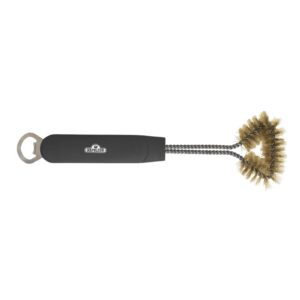
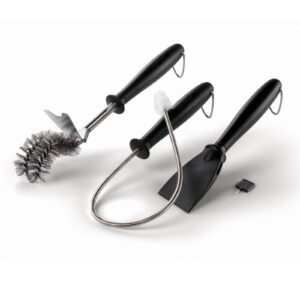
The BIG Built-in Cover is the everyday shield for your Napoleon 700 Series built-in grill. Designed for 32″, 38″ and 44″ built-in grills, it combines a durable, water-repellent fabric with UV protection and adjustable straps for a firm fit. It’s the quiet piece that keeps your outdoor kitchen performing, finished and clean season after season, reducing wear and tear caused by rain, dust, pollen and intense sun.
🔧 Materials and construction
The heart of the cover is a technical fabric designed for outdoor use that resists splashes, drizzle and regular dirt without getting easily soaked. The surface helps water run off and keeps dust off, which is key if your kitchen island is near trees or landscaped areas. The fabric keeps its body and drape even with temperature changes, preventing the cover from warping as you put it on and take it off every day. Everything is geared towards one mission: to protect the grill and at the same time take care of the cover itself for a long service life.
🛡️ All-round protection 365
When you’re not cooking, the cover creates a continuous barrier against weather influences, dirt and sunlight. By covering the lid and knobs, it minimises the ingress of fine dust and pollen into nooks and crannies, and reduces the impact of bird droppings or resins that can stain the steel. This consistent protection means a grill that fires, regulates and seals as consistently as it did on day one, with no ups and downs due to surface corrosion or residue build-up.
🌞 UV fade defence
The fabric integrates UV protection to reduce colour fading and preserve the integrity of the material. In high-radiation climates or on highly exposed terraces, this defence prevents premature ageing of the fabric and helps the cover to retain its appearance for longer. By reducing the impact of the sun, it also cares for metal and lacquered grill surfaces that often suffer from prolonged exposure.
🎯 Custom fit and compatibility
Each variation is designed to fit a specific 700 Series socket: the 32″ for 32″ built-in grills, the 38″ for 38″ and the 44″ for 44″. The cut respects the volumetry of the front and the height of the lid, which makes it easy to fit without excessive fighting or folding. This snug fit saves time when covering and uncovering and avoids slack which, in windy conditions, can lead to annoying rattling.
🪢 Stable support with adjustable straps
The firm seat with adjustable straps makes all the difference on windy days or in draughty attics. You can tighten them until the cover hugs the perimeter of the grill, reducing flapping and the risk of shifting. In addition, the fastening helps the fabric drape straight down, preventing pockets of water from forming on the cover when it rains and maintaining a clean appearance.
⚙️ Performance and efficiency in use
Protecting equipment when not in use has a direct effect on thermal efficiency and reliability over time. Less dust and less residual moisture equals faster start-ups and more predictable temperature regulation. It also makes your cooking routine easier: when you remove the cover you find clean, ready surfaces, so you spend less time preparing and more time cooking.
🖤 Unobtrusive design and aesthetics
The design is understated and professional. The cover blends in visually with stone, masonry or steel worktops without detracting from the kitchen. The finish avoids unnecessary glare and maintains an elegant presence, ideal for terraces where the aesthetics of the whole is as important as the functionality.
🍖 Benefits for different kitchen styles
Whether you do low & slow for hours or go to high temperatures to seal, the sleeve is your ally between serving. By preserving surfaces and controls, you reduce the likelihood of cold spots from accumulated dirt or inaccurate settings. Whether you like to alternate smoked meats, grilled fish, thick cuts or pizzas, keeping the grill protected ensures consistent results throughout the year.
🧲 Safety and ease of use
The combination of robust fabric and adjustable straps provides passive safety: less movement, less rubbing, fewer surprises when the wind picks up. The handling is straightforward: cover, tighten and you’re done. This simple flow invites you to use the cover every time, which is the most effective way to extend the life of any outdoor equipment.
🧭 Non-barbecue applications
Although it is intended for the 700 Series built-in in 32″, 38″ and 44″, the concept can be extrapolated to similar sized outdoor modules (e.g. blind countertop recesses or service covers). The recommendation is always the same: check width and useful height measurements to ensure the correct fit and drape of the fabric.
Comparative table of variations
| Variation |
SKU |
Nominal width |
Compatibility |
Fastening |
Ventilation |
Hanging loops |
Warranty |
| BI/BIG 32 |
61830 |
32″ / 81,2 cm |
700 and 500 series integrated |
Adjustable straps |
Yes |
Yes |
3 years |
| BIG 38 |
61836 |
38″ / 96.5 cm |
700 series integrated |
Adjustable straps |
Yes |
Yes |
3 years |
| BIG 44 |
61842 |
44″ / 111.7 cm |
700 series integrated |
Adjustable straps |
Yes |
Yes |
Proper Use and Maintenance
Looking after the cover is just as important as covering the grill itself. A few
simple, consistent habits will extend the fabric’s lifespan, maintain its water resistance and prevent issues such as pooling, mould or abrasions. Below you’ll find a
step-by-step guide for fitting, removing, cleaning and storing the cover safely, along with routines for different weather conditions and a quick troubleshooting guide.
1) Pre-use checklist (before covering)
- Ensure the barbecue is switched off and completely cool to the touch.
- Remove hot utensils or accessories that could deform the cover (griddle, warming rack, etc.).
- Check there are no sharp edges or protruding screws that could snag the fabric.
- Shake the cover lightly to remove surface dust.
2) Correct placement of the cover
- Stand behind the barbecue and unfold the cover while holding the top corners.
- Align the back section with the lid and lower the cover to the front in one motion, avoiding rough surfaces.
- Smooth down the sides with your hand so it falls evenly without stress at the corners.
- Ensure it doesn’t cover hot controls or get caught between moving parts.
3) Adjusting and securing with straps
- Locate the adjustable straps and fasten them beneath the front or side, depending on your set-up.
- Tighten gradually: first one side, then the opposite, until snug but without straining the seams.
- Check that there are no fabric pockets on top where rainwater could collect.
- In windy conditions, apply a second tightening and recheck after 5–10 minutes.
4) Safe removal (before cooking)
- Loosen the straps and release them from the base or front panel.
- Lift the cover from front to back to avoid dragging dirt inside the grill.
- Use the loops/eyelets to hang the cover and let it air while cooking.
- If it has rained, shake off water before hanging.
5) After rain or wind
- Gently shake the top to remove water pooling.
- Check strap tension: retighten if loosened by wind.
- If dampness persists, lift one side briefly to improve airflow and prevent condensation.
6) Routine cleaning (fortnightly or monthly)
- Brush or shake dry to remove dust, pollen and leaves.
- Prepare warm water + mild soap (no bleach or solvents).
- Using a soft sponge, wipe in long strokes, avoiding harsh scrubbing on seams.
- Rinse lightly (no high pressure) and air dry completely before re-covering.
- For grease or sap stains, repeat promptly for best results.
7) Deep cleaning (seasonal)
- Lay the cover on a flat, clean surface.
- Apply diluted mild soap and leave for 5–10 minutes.
- Scrub with a cloth or soft sponge, focusing on edges and contact areas.
- Rinse with water but avoid wringing, which may damage fibres.
- Dry in the shade with good ventilation until completely dry.
8) Drying and ventilation
- Avoid prolonged direct sunlight while drying to preserve colour.
- Never store the cover damp: it encourages mould and odours.
- If covering in high humidity, leave a slight gap for a few minutes, then close fully.
9) Temporary and seasonal storage
- Ensure the cover is completely dry.
- Fold without sharp creases; vary folding points to avoid wear.
- Store in a ventilated area, away from heat or chemicals.
- In dusty terraces, use a breathable bag (not airtight).
10) Periodic inspection (every 2–3 months)
- Check seams and hems: trim loose threads carefully (do not pull).
- Watch for colour fading: rotate the cover occasionally to balance sun exposure.
- Inspect friction points on countertops; round off or protect edges if needed.
11) Quick troubleshooting
- Water pooling on top: tighten straps and create a slight slope.
- Early mould: wash with warm water + mild soap, air dry, and improve ventilation after rain.
- Deep creases: spread in gentle sun for 10–15 mins, then refit; avoid repeated folding in the same place.
- Wind flapping: add a second fastening point (if possible) and tighten symmetrically.
12) Best practices by climate
- High sun exposure: rotate position, check fabric and colour monthly, minimise full-sun drying.
- Coastal environments: clean more often to remove salt deposits and prevent build-up in seams.
- Extreme cold: handle carefully; fabric may stiffen and crease more easily if folded harshly.
13) Safety and warnings
- Do not cover the barbecue if it is hot or with recent embers/burners.
- Avoid bleach, solvents, washing machine, dryer or pressure washers: these shorten the fabric’s life.
- Do not place sharp or heavy objects on the cover.
- Keep away from open flames or direct heat sources.
14) Environment and supporting surface
- Keep the countertop clean and the cabinet edges free from debris to reduce abrasion.
- If there are sharp edges, consider adding discreet protection (rubber edging or adhesive felt) at contact points.
15) Recommended frequency (summary)
- After each use: remove, air, and only cover once cool.
- Weekly: shake and check strap tension.
- Monthly: light cleaning with mild soap.
- Seasonal: deep clean, full inspection and strap adjustment.
Proper Use and Maintenance
Looking after the cover is just as important as covering the grill itself. A few
simple, consistent habits will extend the fabric’s lifespan, maintain its water resistance and prevent issues such as pooling, mould or abrasions. Below you’ll find a
step-by-step guide for fitting, removing, cleaning and storing the cover safely, along with routines for different weather conditions and a quick troubleshooting guide.
1) Pre-use checklist (before covering)
- Ensure the barbecue is switched off and completely cool to the touch.
- Remove hot utensils or accessories that could deform the cover (griddle, warming rack, etc.).
- Check there are no sharp edges or protruding screws that could snag the fabric.
- Shake the cover lightly to remove surface dust.
2) Correct placement of the cover
- Stand behind the barbecue and unfold the cover while holding the top corners.
- Align the back section with the lid and lower the cover to the front in one motion, avoiding rough surfaces.
- Smooth down the sides with your hand so it falls evenly without stress at the corners.
- Ensure it doesn’t cover hot controls or get caught between moving parts.
3) Adjusting and securing with straps
- Locate the adjustable straps and fasten them beneath the front or side, depending on your set-up.
- Tighten gradually: first one side, then the opposite, until snug but without straining the seams.
- Check that there are no fabric pockets on top where rainwater could collect.
- In windy conditions, apply a second tightening and recheck after 5–10 minutes.
4) Safe removal (before cooking)
- Loosen the straps and release them from the base or front panel.
- Lift the cover from front to back to avoid dragging dirt inside the grill.
- Use the loops/eyelets to hang the cover and let it air while cooking.
- If it has rained, shake off water before hanging.
5) After rain or wind
- Gently shake the top to remove water pooling.
- Check strap tension: retighten if loosened by wind.
- If dampness persists, lift one side briefly to improve airflow and prevent condensation.
6) Routine cleaning (fortnightly or monthly)
- Brush or shake dry to remove dust, pollen and leaves.
- Prepare warm water + mild soap (no bleach or solvents).
- Using a soft sponge, wipe in long strokes, avoiding harsh scrubbing on seams.
- Rinse lightly (no high pressure) and air dry completely before re-covering.
- For grease or sap stains, repeat promptly for best results.
7) Deep cleaning (seasonal)
- Lay the cover on a flat, clean surface.
- Apply diluted mild soap and leave for 5–10 minutes.
- Scrub with a cloth or soft sponge, focusing on edges and contact areas.
- Rinse with water but avoid wringing, which may damage fibres.
- Dry in the shade with good ventilation until completely dry.
8) Drying and ventilation
- Avoid prolonged direct sunlight while drying to preserve colour.
- Never store the cover damp: it encourages mould and odours.
- If covering in high humidity, leave a slight gap for a few minutes, then close fully.
9) Temporary and seasonal storage
- Ensure the cover is completely dry.
- Fold without sharp creases; vary folding points to avoid wear.
- Store in a ventilated area, away from heat or chemicals.
- In dusty terraces, use a breathable bag (not airtight).
10) Periodic inspection (every 2–3 months)
- Check seams and hems: trim loose threads carefully (do not pull).
- Watch for colour fading: rotate the cover occasionally to balance sun exposure.
- Inspect friction points on countertops; round off or protect edges if needed.
11) Quick troubleshooting
- Water pooling on top: tighten straps and create a slight slope.
- Early mould: wash with warm water + mild soap, air dry, and improve ventilation after rain.
- Deep creases: spread in gentle sun for 10–15 mins, then refit; avoid repeated folding in the same place.
- Wind flapping: add a second fastening point (if possible) and tighten symmetrically.
12) Best practices by climate
- High sun exposure: rotate position, check fabric and colour monthly, minimise full-sun drying.
- Coastal environments: clean more often to remove salt deposits and prevent build-up in seams.
- Extreme cold: handle carefully; fabric may stiffen and crease more easily if folded harshly.
13) Safety and warnings
- Do not cover the barbecue if it is hot or with recent embers/burners.
- Avoid bleach, solvents, washing machine, dryer or pressure washers: these shorten the fabric’s life.
- Do not place sharp or heavy objects on the cover.
- Keep away from open flames or direct heat sources.
14) Environment and supporting surface
- Keep the countertop clean and the cabinet edges free from debris to reduce abrasion.
- If there are sharp edges, consider adding discreet protection (rubber edging or adhesive felt) at contact points.
15) Recommended frequency (summary)
- After each use: remove, air, and only cover once cool.
- Weekly: shake and check strap tension.
- Monthly: light cleaning with mild soap.
- Seasonal: deep clean, full inspection and strap adjustment.
Proper Use and Maintenance
Looking after the cover is just as important as covering the grill itself. A few
simple, consistent habits will extend the fabric’s lifespan, maintain its water resistance and prevent issues such as pooling, mould or abrasions. Below you’ll find a
step-by-step guide for fitting, removing, cleaning and storing the cover safely, along with routines for different weather conditions and a quick troubleshooting guide.
1) Pre-use checklist (before covering)
- Ensure the barbecue is switched off and completely cool to the touch.
- Remove hot utensils or accessories that could deform the cover (griddle, warming rack, etc.).
- Check there are no sharp edges or protruding screws that could snag the fabric.
- Shake the cover lightly to remove surface dust.
2) Correct placement of the cover
- Stand behind the barbecue and unfold the cover while holding the top corners.
- Align the back section with the lid and lower the cover to the front in one motion, avoiding rough surfaces.
- Smooth down the sides with your hand so it falls evenly without stress at the corners.
- Ensure it doesn’t cover hot controls or get caught between moving parts.
3) Adjusting and securing with straps
- Locate the adjustable straps and fasten them beneath the front or side, depending on your set-up.
- Tighten gradually: first one side, then the opposite, until snug but without straining the seams.
- Check that there are no fabric pockets on top where rainwater could collect.
- In windy conditions, apply a second tightening and recheck after 5–10 minutes.
4) Safe removal (before cooking)
- Loosen the straps and release them from the base or front panel.
- Lift the cover from front to back to avoid dragging dirt inside the grill.
- Use the loops/eyelets to hang the cover and let it air while cooking.
- If it has rained, shake off water before hanging.
5) After rain or wind
- Gently shake the top to remove water pooling.
- Check strap tension: retighten if loosened by wind.
- If dampness persists, lift one side briefly to improve airflow and prevent condensation.
6) Routine cleaning (fortnightly or monthly)
- Brush or shake dry to remove dust, pollen and leaves.
- Prepare warm water + mild soap (no bleach or solvents).
- Using a soft sponge, wipe in long strokes, avoiding harsh scrubbing on seams.
- Rinse lightly (no high pressure) and air dry completely before re-covering.
- For grease or sap stains, repeat promptly for best results.
7) Deep cleaning (seasonal)
- Lay the cover on a flat, clean surface.
- Apply diluted mild soap and leave for 5–10 minutes.
- Scrub with a cloth or soft sponge, focusing on edges and contact areas.
- Rinse with water but avoid wringing, which may damage fibres.
- Dry in the shade with good ventilation until completely dry.
8) Drying and ventilation
- Avoid prolonged direct sunlight while drying to preserve colour.
- Never store the cover damp: it encourages mould and odours.
- If covering in high humidity, leave a slight gap for a few minutes, then close fully.
9) Temporary and seasonal storage
- Ensure the cover is completely dry.
- Fold without sharp creases; vary folding points to avoid wear.
- Store in a ventilated area, away from heat or chemicals.
- In dusty terraces, use a breathable bag (not airtight).
10) Periodic inspection (every 2–3 months)
- Check seams and hems: trim loose threads carefully (do not pull).
- Watch for colour fading: rotate the cover occasionally to balance sun exposure.
- Inspect friction points on countertops; round off or protect edges if needed.
11) Quick troubleshooting
- Water pooling on top: tighten straps and create a slight slope.
- Early mould: wash with warm water + mild soap, air dry, and improve ventilation after rain.
- Deep creases: spread in gentle sun for 10–15 mins, then refit; avoid repeated folding in the same place.
- Wind flapping: add a second fastening point (if possible) and tighten symmetrically.
12) Best practices by climate
- High sun exposure: rotate position, check fabric and colour monthly, minimise full-sun drying.
- Coastal environments: clean more often to remove salt deposits and prevent build-up in seams.
- Extreme cold: handle carefully; fabric may stiffen and crease more easily if folded harshly.
13) Safety and warnings
- Do not cover the barbecue if it is hot or with recent embers/burners.
- Avoid bleach, solvents, washing machine, dryer or pressure washers: these shorten the fabric’s life.
- Do not place sharp or heavy objects on the cover.
- Keep away from open flames or direct heat sources.
14) Environment and supporting surface
- Keep the countertop clean and the cabinet edges free from debris to reduce abrasion.
- If there are sharp edges, consider adding discreet protection (rubber edging or adhesive felt) at contact points.
15) Recommended frequency (summary)
- After each use: remove, air, and only cover once cool.
- Weekly: shake and check strap tension.
- Monthly: light cleaning with mild soap.
- Seasonal: deep clean, full inspection and strap adjustment.
Proper Use and Maintenance
Looking after the cover is just as important as covering the grill itself. A few
simple, consistent habits will extend the fabric’s lifespan, maintain its water resistance and prevent issues such as pooling, mould or abrasions. Below you’ll find a
step-by-step guide for fitting, removing, cleaning and storing the cover safely, along with routines for different weather conditions and a quick troubleshooting guide.
1) Pre-use checklist (before covering)
- Ensure the barbecue is switched off and completely cool to the touch.
- Remove hot utensils or accessories that could deform the cover (griddle, warming rack, etc.).
- Check there are no sharp edges or protruding screws that could snag the fabric.
- Shake the cover lightly to remove surface dust.
2) Correct placement of the cover
- Stand behind the barbecue and unfold the cover while holding the top corners.
- Align the back section with the lid and lower the cover to the front in one motion, avoiding rough surfaces.
- Smooth down the sides with your hand so it falls evenly without stress at the corners.
- Ensure it doesn’t cover hot controls or get caught between moving parts.
3) Adjusting and securing with straps
- Locate the adjustable straps and fasten them beneath the front or side, depending on your set-up.
- Tighten gradually: first one side, then the opposite, until snug but without straining the seams.
- Check that there are no fabric pockets on top where rainwater could collect.
- In windy conditions, apply a second tightening and recheck after 5–10 minutes.
4) Safe removal (before cooking)
- Loosen the straps and release them from the base or front panel.
- Lift the cover from front to back to avoid dragging dirt inside the grill.
- Use the loops/eyelets to hang the cover and let it air while cooking.
- If it has rained, shake off water before hanging.
5) After rain or wind
- Gently shake the top to remove water pooling.
- Check strap tension: retighten if loosened by wind.
- If dampness persists, lift one side briefly to improve airflow and prevent condensation.
6) Routine cleaning (fortnightly or monthly)
- Brush or shake dry to remove dust, pollen and leaves.
- Prepare warm water + mild soap (no bleach or solvents).
- Using a soft sponge, wipe in long strokes, avoiding harsh scrubbing on seams.
- Rinse lightly (no high pressure) and air dry completely before re-covering.
- For grease or sap stains, repeat promptly for best results.
7) Deep cleaning (seasonal)
- Lay the cover on a flat, clean surface.
- Apply diluted mild soap and leave for 5–10 minutes.
- Scrub with a cloth or soft sponge, focusing on edges and contact areas.
- Rinse with water but avoid wringing, which may damage fibres.
- Dry in the shade with good ventilation until completely dry.
8) Drying and ventilation
- Avoid prolonged direct sunlight while drying to preserve colour.
- Never store the cover damp: it encourages mould and odours.
- If covering in high humidity, leave a slight gap for a few minutes, then close fully.
9) Temporary and seasonal storage
- Ensure the cover is completely dry.
- Fold without sharp creases; vary folding points to avoid wear.
- Store in a ventilated area, away from heat or chemicals.
- In dusty terraces, use a breathable bag (not airtight).
10) Periodic inspection (every 2–3 months)
- Check seams and hems: trim loose threads carefully (do not pull).
- Watch for colour fading: rotate the cover occasionally to balance sun exposure.
- Inspect friction points on countertops; round off or protect edges if needed.
11) Quick troubleshooting
- Water pooling on top: tighten straps and create a slight slope.
- Early mould: wash with warm water + mild soap, air dry, and improve ventilation after rain.
- Deep creases: spread in gentle sun for 10–15 mins, then refit; avoid repeated folding in the same place.
- Wind flapping: add a second fastening point (if possible) and tighten symmetrically.
12) Best practices by climate
- High sun exposure: rotate position, check fabric and colour monthly, minimise full-sun drying.
- Coastal environments: clean more often to remove salt deposits and prevent build-up in seams.
- Extreme cold: handle carefully; fabric may stiffen and crease more easily if folded harshly.
13) Safety and warnings
- Do not cover the barbecue if it is hot or with recent embers/burners.
- Avoid bleach, solvents, washing machine, dryer or pressure washers: these shorten the fabric’s life.
- Do not place sharp or heavy objects on the cover.
- Keep away from open flames or direct heat sources.
14) Environment and supporting surface
- Keep the countertop clean and the cabinet edges free from debris to reduce abrasion.
- If there are sharp edges, consider adding discreet protection (rubber edging or adhesive felt) at contact points.
15) Recommended frequency (summary)
- After each use: remove, air, and only cover once cool.
- Weekly: shake and check strap tension.
- Monthly: light cleaning with mild soap.
- Seasonal: deep clean, full inspection and strap adjustment.
Mediterranean Barbecue (single recipe for 32", 38" and 44")
One recipe, three grill sizes. This Mediterranean barbecue works just as well on the
32",
38" and
44" versions: two heat zones (direct and indirect), a
lemon, garlic and oregano citrus marinade that enhances without overpowering, and a
continuous workflow so everything arrives juicy and hot at the table. Below you’ll find
scaled quantities for each size and a single step-by-step method valid for all variations. At the end, a
vegetarian option in the same spirit.
Ingredients (choose column according to your grill)
Ingredient |
32" (4–6 servings) |
38" (8 servings) |
44" (12 servings) |
|---|
Boneless chicken thighs |
800 g |
1.2 kg |
1.8 kg |
Fresh chorizo/sausage |
400 g |
600 g |
900 g |
Aubergine |
1 |
2 |
3 |
Courgette |
1 |
2 |
3 |
Peppers (red/green) |
1 |
2 |
3 |
Red onion |
1 |
1 large |
2 |
Rustic bread, sliced |
1 loaf |
1–2 loaves |
2–3 loaves |
Base marinade (mix and multiply by size):
- 32": juice of 1 lemon, 2 tbsp olive oil, 1 garlic clove (minced), 1 tsp dried oregano, salt and pepper.
- 38": juice of 2 lemons, 3 tbsp olive oil, 2 garlic cloves, 1½ tsp oregano, salt and pepper.
- 44": juice of 3 lemons, 5 tbsp olive oil, 3 garlic cloves, 2 tsp oregano, salt and pepper.
Pre-prep (15–90 min)
- Marinade: combine the mixture and marinate chicken for 30–60 min (up to 90 min for the 44"). Reserve 1–2 tbsp separate marinade to brush over vegetables if desired.
- Chopping: slice vegetables into 1–1.5 cm rounds; salt just before grilling. Drizzle bread lightly with oil.
- Zones: set up high direct (≈230–250 °C) for searing and medium indirect (≈180 °C) for finishing without burning.
Method (works for 32", 38" and 44")
- Preheat the grill with both zones ready; clean and lightly oil the grates.
- Chicken on direct: sear 3–4 min per side until clear grill marks show.
- Chicken to indirect: transfer to the indirect zone and cook to 74 °C internal. Cover loosely with foil while you continue.
- Sausage on direct: grill 8–10 min, turning halfway. If flare-ups occur, move to indirect to finish (internal ~70–72 °C).
- Vegetables on direct: grill in batches — aubergine/peppers 7–8 min per side, courgette 4–5 min, onion 6–8 min. Brush with reserved marinade or oil.
- Bread last: 1–2 min per side on direct heat, toasted but not dried out.
- Assembly: slice chicken into strips, cut sausage on the diagonal, and arrange with vegetables. Finish with a drizzle of olive oil, a squeeze of lemon and, if handy, fresh oregano.
Approximate timings (grill + active prep):
- 32": 25–35 min + 10 min.
- 38": 30–40 min + 15 min.
- 44": 35–45 min + 20 min.
Quick tips
- Serving order: chicken (short rest), then sausage, then vegetables, with bread at the end.
- Managing fat: if sausage drips, shift to indirect; don’t prick.
- Consistency: work in a “carousel”: what’s seared moves to indirect, the next batch goes onto direct.
Vegetarian variation (same recipe, no repeated steps)
Replace chicken and sausage with plant proteins and add more vegetables:
Substitutions |
32" |
38" |
44" |
|---|
Firm tofu or tempeh (large cubes) |
300 g |
500 g |
750 g |
Grilling cheese (halloumi/provolone, 1.5–2 cm slices) |
300 g |
500 g |
750 g |
Mushrooms |
200 g |
300 g |
400 g |
Fleshy tomatoes (halved) |
1–2 |
2 |
3 |
Quick adjustments:
- Tofu/tempeh: direct medium-high 3–4 min each side; finish 4–6 min on indirect.
- Cheese: direct medium 1–2 min per side to brown without over-melting.
- Keep all other steps the same (batches, veg timings, bread and final drizzle of oil/lemon/oregano).
Mediterranean Barbecue (single recipe for 32", 38" and 44")
One recipe, three grill sizes. This Mediterranean barbecue works just as well on the
32",
38" and
44" versions: two heat zones (direct and indirect), a
lemon, garlic and oregano citrus marinade that enhances without overpowering, and a
continuous workflow so everything arrives juicy and hot at the table. Below you’ll find
scaled quantities for each size and a single step-by-step method valid for all variations. At the end, a
vegetarian option in the same spirit.
Ingredients (choose column according to your grill)
Ingredient |
32" (4–6 servings) |
38" (8 servings) |
44" (12 servings) |
|---|
Boneless chicken thighs |
800 g |
1.2 kg |
1.8 kg |
Fresh chorizo/sausage |
400 g |
600 g |
900 g |
Aubergine |
1 |
2 |
3 |
Courgette |
1 |
2 |
3 |
Peppers (red/green) |
1 |
2 |
3 |
Red onion |
1 |
1 large |
2 |
Rustic bread, sliced |
1 loaf |
1–2 loaves |
2–3 loaves |
Base marinade (mix and multiply by size):
- 32": juice of 1 lemon, 2 tbsp olive oil, 1 garlic clove (minced), 1 tsp dried oregano, salt and pepper.
- 38": juice of 2 lemons, 3 tbsp olive oil, 2 garlic cloves, 1½ tsp oregano, salt and pepper.
- 44": juice of 3 lemons, 5 tbsp olive oil, 3 garlic cloves, 2 tsp oregano, salt and pepper.
Pre-prep (15–90 min)
- Marinade: combine the mixture and marinate chicken for 30–60 min (up to 90 min for the 44"). Reserve 1–2 tbsp separate marinade to brush over vegetables if desired.
- Chopping: slice vegetables into 1–1.5 cm rounds; salt just before grilling. Drizzle bread lightly with oil.
- Zones: set up high direct (≈230–250 °C) for searing and medium indirect (≈180 °C) for finishing without burning.
Method (works for 32", 38" and 44")
- Preheat the grill with both zones ready; clean and lightly oil the grates.
- Chicken on direct: sear 3–4 min per side until clear grill marks show.
- Chicken to indirect: transfer to the indirect zone and cook to 74 °C internal. Cover loosely with foil while you continue.
- Sausage on direct: grill 8–10 min, turning halfway. If flare-ups occur, move to indirect to finish (internal ~70–72 °C).
- Vegetables on direct: grill in batches — aubergine/peppers 7–8 min per side, courgette 4–5 min, onion 6–8 min. Brush with reserved marinade or oil.
- Bread last: 1–2 min per side on direct heat, toasted but not dried out.
- Assembly: slice chicken into strips, cut sausage on the diagonal, and arrange with vegetables. Finish with a drizzle of olive oil, a squeeze of lemon and, if handy, fresh oregano.
Approximate timings (grill + active prep):
- 32": 25–35 min + 10 min.
- 38": 30–40 min + 15 min.
- 44": 35–45 min + 20 min.
Quick tips
- Serving order: chicken (short rest), then sausage, then vegetables, with bread at the end.
- Managing fat: if sausage drips, shift to indirect; don’t prick.
- Consistency: work in a “carousel”: what’s seared moves to indirect, the next batch goes onto direct.
Vegetarian variation (same recipe, no repeated steps)
Replace chicken and sausage with plant proteins and add more vegetables:
Substitutions |
32" |
38" |
44" |
|---|
Firm tofu or tempeh (large cubes) |
300 g |
500 g |
750 g |
Grilling cheese (halloumi/provolone, 1.5–2 cm slices) |
300 g |
500 g |
750 g |
Mushrooms |
200 g |
300 g |
400 g |
Fleshy tomatoes (halved) |
1–2 |
2 |
3 |
Quick adjustments:
- Tofu/tempeh: direct medium-high 3–4 min each side; finish 4–6 min on indirect.
- Cheese: direct medium 1–2 min per side to brown without over-melting.
- Keep all other steps the same (batches, veg timings, bread and final drizzle of oil/lemon/oregano).
Mediterranean Barbecue (single recipe for 32", 38" and 44")
One recipe, three grill sizes. This Mediterranean barbecue works just as well on the
32",
38" and
44" versions: two heat zones (direct and indirect), a
lemon, garlic and oregano citrus marinade that enhances without overpowering, and a
continuous workflow so everything arrives juicy and hot at the table. Below you’ll find
scaled quantities for each size and a single step-by-step method valid for all variations. At the end, a
vegetarian option in the same spirit.
Ingredients (choose column according to your grill)
Ingredient |
32" (4–6 servings) |
38" (8 servings) |
44" (12 servings) |
|---|
Boneless chicken thighs |
800 g |
1.2 kg |
1.8 kg |
Fresh chorizo/sausage |
400 g |
600 g |
900 g |
Aubergine |
1 |
2 |
3 |
Courgette |
1 |
2 |
3 |
Peppers (red/green) |
1 |
2 |
3 |
Red onion |
1 |
1 large |
2 |
Rustic bread, sliced |
1 loaf |
1–2 loaves |
2–3 loaves |
Base marinade (mix and multiply by size):
- 32": juice of 1 lemon, 2 tbsp olive oil, 1 garlic clove (minced), 1 tsp dried oregano, salt and pepper.
- 38": juice of 2 lemons, 3 tbsp olive oil, 2 garlic cloves, 1½ tsp oregano, salt and pepper.
- 44": juice of 3 lemons, 5 tbsp olive oil, 3 garlic cloves, 2 tsp oregano, salt and pepper.
Pre-prep (15–90 min)
- Marinade: combine the mixture and marinate chicken for 30–60 min (up to 90 min for the 44"). Reserve 1–2 tbsp separate marinade to brush over vegetables if desired.
- Chopping: slice vegetables into 1–1.5 cm rounds; salt just before grilling. Drizzle bread lightly with oil.
- Zones: set up high direct (≈230–250 °C) for searing and medium indirect (≈180 °C) for finishing without burning.
Method (works for 32", 38" and 44")
- Preheat the grill with both zones ready; clean and lightly oil the grates.
- Chicken on direct: sear 3–4 min per side until clear grill marks show.
- Chicken to indirect: transfer to the indirect zone and cook to 74 °C internal. Cover loosely with foil while you continue.
- Sausage on direct: grill 8–10 min, turning halfway. If flare-ups occur, move to indirect to finish (internal ~70–72 °C).
- Vegetables on direct: grill in batches — aubergine/peppers 7–8 min per side, courgette 4–5 min, onion 6–8 min. Brush with reserved marinade or oil.
- Bread last: 1–2 min per side on direct heat, toasted but not dried out.
- Assembly: slice chicken into strips, cut sausage on the diagonal, and arrange with vegetables. Finish with a drizzle of olive oil, a squeeze of lemon and, if handy, fresh oregano.
Approximate timings (grill + active prep):
- 32": 25–35 min + 10 min.
- 38": 30–40 min + 15 min.
- 44": 35–45 min + 20 min.
Quick tips
- Serving order: chicken (short rest), then sausage, then vegetables, with bread at the end.
- Managing fat: if sausage drips, shift to indirect; don’t prick.
- Consistency: work in a “carousel”: what’s seared moves to indirect, the next batch goes onto direct.
Vegetarian variation (same recipe, no repeated steps)
Replace chicken and sausage with plant proteins and add more vegetables:
Substitutions |
32" |
38" |
44" |
|---|
Firm tofu or tempeh (large cubes) |
300 g |
500 g |
750 g |
Grilling cheese (halloumi/provolone, 1.5–2 cm slices) |
300 g |
500 g |
750 g |
Mushrooms |
200 g |
300 g |
400 g |
Fleshy tomatoes (halved) |
1–2 |
2 |
3 |
Quick adjustments:
- Tofu/tempeh: direct medium-high 3–4 min each side; finish 4–6 min on indirect.
- Cheese: direct medium 1–2 min per side to brown without over-melting.
- Keep all other steps the same (batches, veg timings, bread and final drizzle of oil/lemon/oregano).
Mediterranean Barbecue (single recipe for 32", 38" and 44")
One recipe, three grill sizes. This Mediterranean barbecue works just as well on the
32",
38" and
44" versions: two heat zones (direct and indirect), a
lemon, garlic and oregano citrus marinade that enhances without overpowering, and a
continuous workflow so everything arrives juicy and hot at the table. Below you’ll find
scaled quantities for each size and a single step-by-step method valid for all variations. At the end, a
vegetarian option in the same spirit.
Ingredients (choose column according to your grill)
| Ingredient |
32" (4–6 servings) |
38" (8 servings) |
44" (12 servings) |
| Boneless chicken thighs |
800 g |
1.2 kg |
1.8 kg |
| Fresh chorizo/sausage |
400 g |
600 g |
900 g |
| Aubergine |
1 |
2 |
3 |
| Courgette |
1 |
2 |
3 |
| Peppers (red/green) |
1 |
2 |
3 |
| Red onion |
1 |
1 large |
2 |
| Rustic bread, sliced |
1 loaf |
1–2 loaves |
2–3 loaves |
Base marinade (mix and multiply by size):
- 32": juice of 1 lemon, 2 tbsp olive oil, 1 garlic clove (minced), 1 tsp dried oregano, salt and pepper.
- 38": juice of 2 lemons, 3 tbsp olive oil, 2 garlic cloves, 1½ tsp oregano, salt and pepper.
- 44": juice of 3 lemons, 5 tbsp olive oil, 3 garlic cloves, 2 tsp oregano, salt and pepper.
Pre-prep (15–90 min)
- Marinade: combine the mixture and marinate chicken for 30–60 min (up to 90 min for the 44"). Reserve 1–2 tbsp separate marinade to brush over vegetables if desired.
- Chopping: slice vegetables into 1–1.5 cm rounds; salt just before grilling. Drizzle bread lightly with oil.
- Zones: set up high direct (≈230–250 °C) for searing and medium indirect (≈180 °C) for finishing without burning.
Method (works for 32", 38" and 44")
- Preheat the grill with both zones ready; clean and lightly oil the grates.
- Chicken on direct: sear 3–4 min per side until clear grill marks show.
- Chicken to indirect: transfer to the indirect zone and cook to 74 °C internal. Cover loosely with foil while you continue.
- Sausage on direct: grill 8–10 min, turning halfway. If flare-ups occur, move to indirect to finish (internal ~70–72 °C).
- Vegetables on direct: grill in batches — aubergine/peppers 7–8 min per side, courgette 4–5 min, onion 6–8 min. Brush with reserved marinade or oil.
- Bread last: 1–2 min per side on direct heat, toasted but not dried out.
- Assembly: slice chicken into strips, cut sausage on the diagonal, and arrange with vegetables. Finish with a drizzle of olive oil, a squeeze of lemon and, if handy, fresh oregano.
Approximate timings (grill + active prep):
- 32": 25–35 min + 10 min.
- 38": 30–40 min + 15 min.
- 44": 35–45 min + 20 min.
Quick tips
- Serving order: chicken (short rest), then sausage, then vegetables, with bread at the end.
- Managing fat: if sausage drips, shift to indirect; don’t prick.
- Consistency: work in a “carousel”: what’s seared moves to indirect, the next batch goes onto direct.
Vegetarian variation (same recipe, no repeated steps)
Replace chicken and sausage with plant proteins and add more vegetables:
| Substitutions |
32" |
38" |
44" |
| Firm tofu or tempeh (large cubes) |
300 g |
500 g |
750 g |
| Grilling cheese (halloumi/provolone, 1.5–2 cm slices) |
300 g |
500 g |
750 g |
| Mushrooms |
200 g |
300 g |
400 g |
| Fleshy tomatoes (halved) |
1–2 |
2 |
3 |
Quick adjustments:
- Tofu/tempeh: direct medium-high 3–4 min each side; finish 4–6 min on indirect.
- Cheese: direct medium 1–2 min per side to brown without over-melting.
- Keep all other steps the same (batches, veg timings, bread and final drizzle of oil/lemon/oregano).